Docosahexaenoic Acid
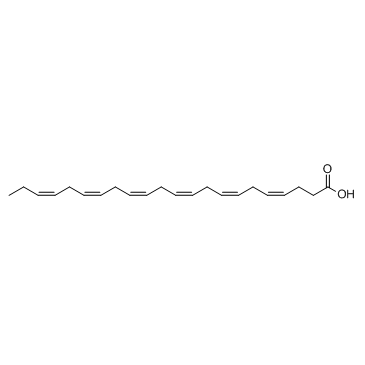
Docosahexaenoic Acid structure
|
Common Name | Docosahexaenoic Acid | ||
|---|---|---|---|---|
| CAS Number | 6217-54-5 | Molecular Weight | 328.488 | |
| Density | 0.9±0.1 g/cm3 | Boiling Point | 446.7±24.0 °C at 760 mmHg | |
| Molecular Formula | C22H32O2 | Melting Point | -44ºC | |
| MSDS | Chinese USA | Flash Point | 343.4±18.0 °C | |
Use of Docosahexaenoic AcidDocosahexaenoic Acid (DHA) is an omega-3 fatty acid abundantly present brain and retina. It can be obtained directly from fish oil and maternal milk. |
This table lists Chinese names, IUPAC names and various aliases of this chemical substance.
| Name | all-cis-docosa-4,7,10,13,16,19-hexaenoic acid |
|---|---|
| Synonym | More Synonyms |
This table contains bioactivity, target information and biological‑assay experimental data of this compound.
| Description | Docosahexaenoic Acid (DHA) is an omega-3 fatty acid abundantly present brain and retina. It can be obtained directly from fish oil and maternal milk. |
|---|---|
| Related Catalog | |
| Target |
Human Endogenous Metabolite |
| In Vitro | Docosahexaenoic acid (DHA) is essential for the growth and functional development of the brain in infants. DHA is also required for maintenance of normal brain function in adults. The inclusion of plentiful DHA in the diet improves learning ability and memory[1]. DHA is an essential requirement in every step of brain development like neural cell proliferation, migration, differentiation, synaptogenesis. The multiple double bonds and unique structure allow DHA to impart special membrane characteristics for effective cell signaling. Many development disorders like dyslexia, autism spectrum disorder, attention deficit hyperactivity disorder, schizophrenia etc. are causally related to decreased level of DHA[2]. DHA is a potent RXR ligand inducing robust RXR activation already at low micro molar concentrations. The EC50 for RXRα activation by DHA is about 5-10 μM fatty acid[3]. |
| In Vivo | Docosahexaenoic acid administration over 10 weeks significantly reduces the number of reference memory errors, without affecting the number of working memory errors, and significantly increases the docosahexaenoic acid content and the docosahexaenoic acid/arachidonic acid ratio in both the hippocampus and the cerebral cortex[4]. DHA treatment exerts neuroprotective actions on an experimental mouse model of PD. There is a decrease tendency in brain lipid oxidation of MPTP mice but it does not significantly[5]. |
| Animal Admin | Rats: Wistar rats are fed a fish oil-deficient diet through three generations. The young (five-week-old) male rats of the third generation are randomLy divided into two groups. Over 10 weeks, one group is perorally administered docosahexaenoic acid dissolved in 5% gum Arabic solution at 300 mg/kg/day; the other group receives a similar volume of vehicle alone. Five weeks after starting the administration, the rats are tested for learning ability related to two types of memory, reference memory and working memory, with the partially (four of eight) baited eight-arm radial maze[4]. Mice: An experimental model of Parkinson's disease is created by four intraperitoneal injections of 1-methyl-4-phenyl-1,2,3,6-tetrahydropyridine (MPTP) (4×20 mg/kg, at 12 h intervals). Docosahexaenoic acid is given daily by gavage for 4 weeks (36 mg/kg/day). The motor activity of the mice is evaluated via the pole test. The activity of antioxidant enzymes in the brain are determined by spectrophotometric assays and the concentration of thiobarbituric acid-reactive substances (TBARS) are measured as an index of oxidative damage[5]. |
| References |
This table shows physicochemical parameters including melting point, boiling point, density, solubility and optical rotation. Missing data is marked as N/A.
| Density | 0.9±0.1 g/cm3 |
|---|---|
| Boiling Point | 446.7±24.0 °C at 760 mmHg |
| Melting Point | -44ºC |
| Molecular Formula | C22H32O2 |
| Molecular Weight | 328.488 |
| Flash Point | 343.4±18.0 °C |
| Exact Mass | 328.240234 |
| PSA | 37.30000 |
| LogP | 6.78 |
| Vapour Pressure | 0.0±2.3 mmHg at 25°C |
| Index of Refraction | 1.521 |
| InChIKey | MBMBGCFOFBJSGT-NIQHLCGCSA-N |
| SMILES | CCC=CCC=CCC=CCC=CCC=CCC=CCCC(=O)O |
| Storage condition | −20°C |
| Stability | Light and Air Sensitive |
This table provides MSDS information including hazard classification, first‑aid, fire‑fighting, spill handling, operation and storage instructions.
This table covers safety warnings, protective measures, incompatible substances and disposal guidelines for this compound.
| Personal Protective Equipment | Eyeshields;Gloves;half-mask respirator (US);multi-purpose combination respirator cartridge (US) |
|---|---|
| Safety Phrases | S23-S24/25 |
| RIDADR | NA 1993 / PGIII |
| WGK Germany | 3 |
| HS Code | 2106909090 |
This table presents publicly reported synthetic routes, reaction conditions, reactants and product information of the compound.
This table lists upstream starting materials and downstream derivative products related to this chemical.
| Precursor 9 | |
|---|---|
| DownStream 10 | |
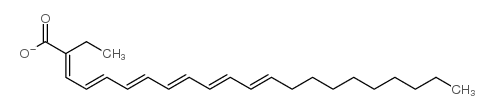 CAS#:81926-94-5
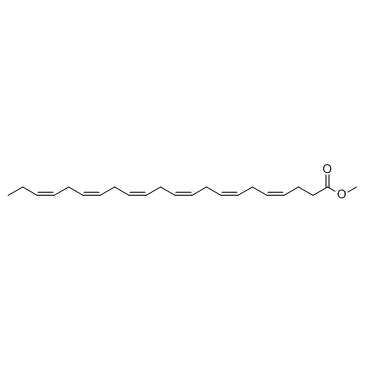 CAS#:2566-90-7
 CAS#:86227-47-6
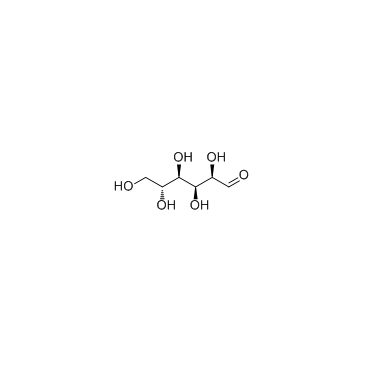 CAS#:50-99-7
 CAS#:124-38-9
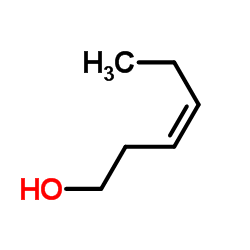 CAS#:928-96-1
 CAS#:84254-20-6
 CAS#:81345-02-0
 CAS#:21676-05-1
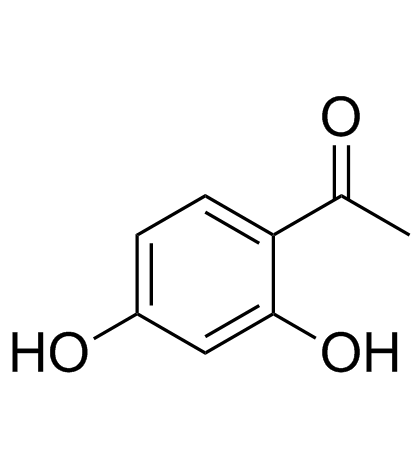 CAS#:89-84-9
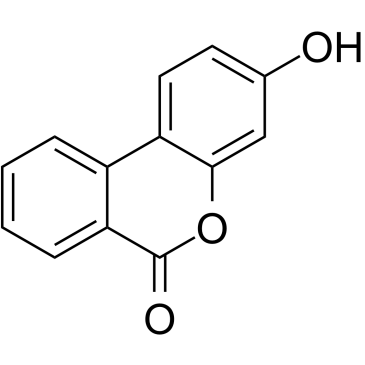 CAS#:1139-83-9
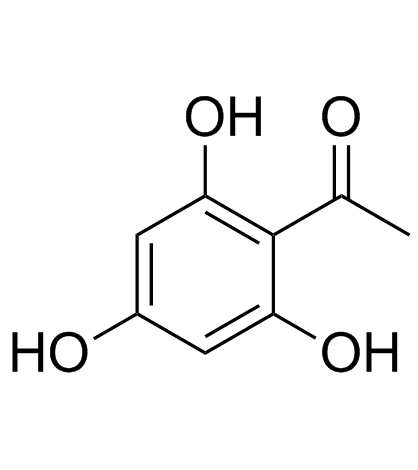 CAS#:480-66-0
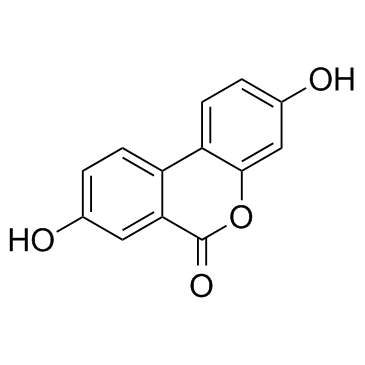 CAS#:1143-70-0
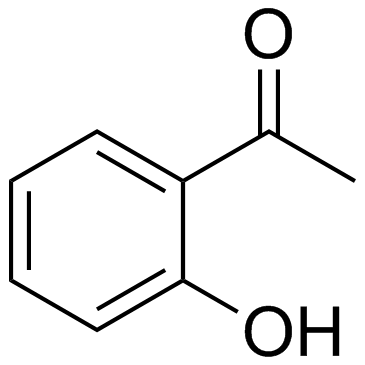 CAS#:118-93-4
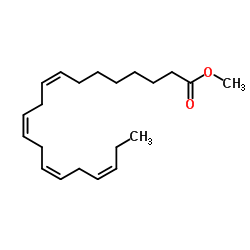 CAS#:132712-70-0
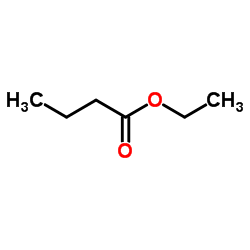 CAS#:105-54-4
![2,3-bis[[(4Z,7Z,10Z,13Z,16Z,19Z)-docosa-4,7,10,13,16,19-hexaenoyl]oxy]propyl (4Z,7Z,10Z,13Z,16Z,19Z)-docosa-4,7,10,13,16,19-hexaenoate structure](https://image.chemsrc.com/caspic/357/124596-98-1.png) CAS#:124596-98-1
CAS#:124596-98-1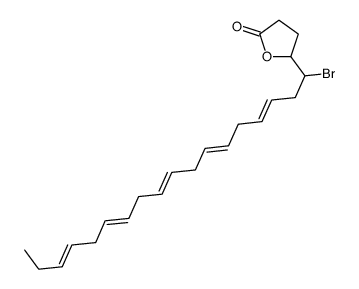 CAS#:138910-14-2
This table shows customs‑related data including HS‑code, tariff and regulatory conditions for import and export.
| HS Code | 2916190090 |
|---|---|
| Summary | 2916190090 unsaturated acyclic monocarboxylic acids, their anhydrides, halides, peroxides, peroxyacids and their derivatives。supervision conditions:AB(certificate of inspection for goods inward,certificate of inspection for goods outward)。VAT:17.0%。tax rebate rate:9.0%。MFN tariff:6.5%。general tariff:30.0% |
This table lists relevant public references with title, journal and publication metadata for this compound.
|
Cheminformatics analysis of assertions mined from literature that describe drug-induced liver injury in different species.
Chem. Res. Toxicol. 23 , 171-83, (2010) Drug-induced liver injury is one of the main causes of drug attrition. The ability to predict the liver effects of drug candidates from their chemical structures is critical to help guide experimental... |
|
|
HMDB: a knowledgebase for the human metabolome.
Nucleic Acids Res. 37(Database issue) , D603-10, (2009) The Human Metabolome Database (HMDB, http://www.hmdb.ca) is a richly annotated resource that is designed to address the broad needs of biochemists, clinical chemists, physicians, medical geneticists, ... |
|
|
The human serum metabolome.
PLoS ONE 6(2) , e16957, (2011) Continuing improvements in analytical technology along with an increased interest in performing comprehensive, quantitative metabolic profiling, is leading to increased interest pressures within the m... |
This table collects all English aliases, systematic names and CAS‑related synonyms of the compound.
| Cervonic acid |
| 4Z,7Z,10Z,13Z,16Z,19Z-DHA |
| docosahexenoic acid |
| Cervicarcin,hemihydrate |
| cis-4,7,10,13,16,19-docosahexaenoic acid |
| (4E,7E,10Z,13E,16E,19E)-4,7,10,13,16,19-Docosahexaenoic acid |
| MFCD00065722 |
| Docosahexaenoic Acid |
| DHA |
| EINECS 612-950-9 |
This section contains frequently‑asked‑questions about this compound, including basic parameters, properties, storage conditions and corresponding answers.
| Q: What is the CAS number of all-cis-docosa-4,7,10,13,16,19-hexaenoic acid? |
| A: CAS number of all-cis-docosa-4,7,10,13,16,19-hexaenoic acid is 6217-54-5. |
| Q: What is the molecular weight of all-cis-docosa-4,7,10,13,16,19-hexaenoic acid? |
| A: Molecular weight of all-cis-docosa-4,7,10,13,16,19-hexaenoic acid is 328.488. |
| Q: What is the melting point of all-cis-docosa-4,7,10,13,16,19-hexaenoic acid? |
| A: Melting point of all-cis-docosa-4,7,10,13,16,19-hexaenoic acid is -44ºC. |
| Q: What is the safety information for all-cis-docosa-4,7,10,13,16,19-hexaenoic acid? |
| A: Safety information for all-cis-docosa-4,7,10,13,16,19-hexaenoic acid: S23-S24/25. |
| Q: What are the uses of all-cis-docosa-4,7,10,13,16,19-hexaenoic acid? |
| A: Main uses of all-cis-docosa-4,7,10,13,16,19-hexaenoic acid: Docosahexaenoic Acid (DHA) is an omega-3 fatty acid abundantly present brain and retina. It can be obtained directly from fish oil and maternal milk. |
| Q: What is the polar surface area (PSA) of all-cis-docosa-4,7,10,13,16,19-hexaenoic acid? |
| A: Polar surface area (PSA) of all-cis-docosa-4,7,10,13,16,19-hexaenoic acid is 37.30000. |
| Q: What is the molecular formula of all-cis-docosa-4,7,10,13,16,19-hexaenoic acid? |
| A: Molecular formula of all-cis-docosa-4,7,10,13,16,19-hexaenoic acid is C22H32O2. |
| Q: What is the SMILES notation of all-cis-docosa-4,7,10,13,16,19-hexaenoic acid? |
| A: SMILES notation of all-cis-docosa-4,7,10,13,16,19-hexaenoic acid is CCC=CCC=CCC=CCC=CCC=CCC=CCCC(=O)O. |
| Q: What is the InChIKey of all-cis-docosa-4,7,10,13,16,19-hexaenoic acid? |
| A: InChIKey of all-cis-docosa-4,7,10,13,16,19-hexaenoic acid is MBMBGCFOFBJSGT-NIQHLCGCSA-N. |
| Q: What are the downstream products of all-cis-docosa-4,7,10,13,16,19-hexaenoic acid? |
| A: Related downstream products(CAS) of all-cis-docosa-4,7,10,13,16,19-hexaenoic acid: 89-84-9;1139-83-9;480-66-0;1143-70-0;118-93-4;81926-94-5;132712-70-0;105-54-4;124596-98-1;138910-14-2. |
This table lists manufacturers and suppliers of this compound, including vendor names and product supply reference information.
| Shanghai Nianxing Industrial Co., Ltd |
| Dayang Chem (Hangzhou) Co., Ltd. |
| Henan Tianfu Chemical Co., Ltd. |