D-GLUCOSE-6-PHOSPHATE PHOSPHOHYDROLASE
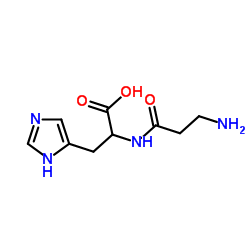
D-GLUCOSE-6-PHOSPHATE PHOSPHOHYDROLASE structure
|
Common Name | D-GLUCOSE-6-PHOSPHATE PHOSPHOHYDROLASE | ||
|---|---|---|---|---|
| CAS Number | 9001-39-2 | Molecular Weight | 226.232 | |
| Density | 1.4±0.1 g/cm3 | Boiling Point | 656.2±55.0 °C at 760 mmHg | |
| Molecular Formula | C9H14N4O3 | Melting Point | N/A | |
| MSDS | USA | Flash Point | 350.7±31.5 °C | |
|
Complete sequencing and characterization of 21,243 full-length human cDNAs.
Nat. Genet. 36 , 40-5, (2004) As a base for human transcriptome and functional genomics, we created the "full-length long Japan" (FLJ) collection of sequenced human cDNAs. We determined the entire sequence of 21,243 selected clones and found that 14,490 cDNAs (10,897 clusters) were unique... |
|
|
The status, quality, and expansion of the NIH full-length cDNA project: the Mammalian Gene Collection (MGC).
Genome Res. 14 , 2121-7, (2004) The National Institutes of Health's Mammalian Gene Collection (MGC) project was designed to generate and sequence a publicly accessible cDNA resource containing a complete open reading frame (ORF) for every human and mouse gene. The project initially used a r... |
|
|
[Research progress of effect of anti-diabetic traditional Chinese medicines based on regulation of glucose metabolic enzyme].
Zhongguo Zhong Yao Za Zhi 37(23) , 3519-25, (2012) Diabetes is a global threat threatening human health in the world, with an increasing incidence rate in recent years. The disorder of glucose metabolism is one of the major factors. As relevant glucose metabolic enzymes such as alpha-glucosidase, glucose-6-ph... |
|
|
Jaggery protects hepatorenal injury induced by acute exposure to carbon tetrachloride in Wistar rats.
J. Environ. Pathol. Toxicol. Oncol. 32(1) , 1-7, (2013) In this study, we evaluated the protective activity of aqueous extract of jaggery against CCl4-induced hepatic-renal damage in rats. Jaggery was administered in one group at doses of 250, 500 and 750 mg/ kg body weight (bwt) (p.o., once only), and CCL4 was ad... |
|
|
Glycoproteomics analysis of human liver tissue by combination of multiple enzyme digestion and hydrazide chemistry.
J. Proteome Res. 8(2) , 651-61, (2009) The study of protein glycosylation has lagged far behind the progress of current proteomics because of the enormous complexity, wide dynamic range distribution and low stoichiometric modification of glycoprotein. Solid phase extraction of tryptic N-glycopepti... |
|
|
[Effect of glyphosate on the energy exchange in carp organs].
Ukr. Biokhim. Zh. 85(3) , 22-30, (2013) The use of glyphosate as a herbicide in agriculture can lead to the presence of its residues and metabolites (aminomethylphosphonic acid) in food for human consumption and pose a threat to health. The effect of these herbicides on the fish organism at the bio... |
|
|
Anti-diabetic and anti-lipidemic effects of chlorogenic acid are mediated by ampk activation.
Biochem. Pharmacol. 85(9) , 1341-51, (2013) Chlorogenic acid (CGA) has been shown to stimulate glucose uptake in skeletal muscle through the activation of AMPK. However, its effect on other metabolic pathways and likewise its effects after long-term consumption have yet to be understood. We investigate... |
|
|
RORα and ROR γ are expressed in human skin and serve as receptors for endogenously produced noncalcemic 20-hydroxy- and 20,23-dihydroxyvitamin D.
FASEB J. 28(7) , 2775-89, (2014) RORα and RORγ are expressed in human skin cells that produce the noncalcemic 20-hydroxyvitamin D3 [20(OH)D3] and 20,23-dihydroxyvitamin D3 [20,23(OH)2D3]. Chinese hamster ovary (CHO) cells stably expressing a Tet-on RORα or RORγ expression vector and a ROR-re... |
|
|
DNA sequence of human chromosome 17 and analysis of rearrangement in the human lineage.
Nature 440(7087) , 1045-9, (2006) Chromosome 17 is unusual among the human chromosomes in many respects. It is the largest human autosome with orthology to only a single mouse chromosome, mapping entirely to the distal half of mouse chromosome 11. Chromosome 17 is rich in protein-coding genes... |
|
|
[Carbohydrates metabolism disturbances when simulating prenatal alcohol intoxication].
Biomed. Khim. 59(5) , 523-9, (2013) The influence of prenatal alcohol intoxication on carbohydrate metabolism markers has been investigated at different terms of postnatal offspring development (15, 30 and 60 days). Plasma glucose decreased as compared with the same in control group was detecte... |