Journal of environmental pathology, toxicology and oncology : official organ of the International Society for Environmental Toxicology and Cancer 2013-01-01

Jaggery protects hepatorenal injury induced by acute exposure to carbon tetrachloride in Wistar rats.

Chandra Kant Sharma, Monika Saxena, Vinay Sharma

Index: J. Environ. Pathol. Toxicol. Oncol. 32(1) , 1-7, (2013)

Full Text: HTML

Abstract

In this study, we evaluated the protective activity of aqueous extract of jaggery against CCl4-induced hepatic-renal damage in rats. Jaggery was administered in one group at doses of 250, 500 and 750 mg/ kg body weight (bwt) (p.o., once only), and CCL4 was administered in another group at a dose of 1.5 ml/kg bwt (i.p., once only) to evaluate the protective effect of jaggery on induced oxidative damage in rats. Various blood and tissue biochemical studies were performed. The administration of toxicant significantly altered blood biochemical variables. Hepatic and renal lipid peroxidation (LPO) levels increased significantly, whereas considerable depletion was observed in reduced glutathione (GSH) level after intoxication. A remarkable decrease was observed in the activities of adenosine triphosphatase (ATPase) and glucose-6-phosphatase (G-6-Pase) after induction of toxicity. Treatment with extract at three different altered all measured biochemical variables, but greater hepatic-renal protection was observed at higher doses (750 mg/kg bwt) than at lower does (250 and 500 mg/kg bwt). Jaggery also reversed histopathological alterations. Thus, it may be concluded that jaggery can be used to reduce hepatic and renal damage and may serve as an alternative medicine in hepatic and renal etiology.

Related Compounds

Structure Name/CAS No. Articles
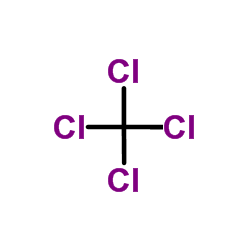
Carbon tetrachloride Structure Carbon tetrachloride
CAS:56-23-5
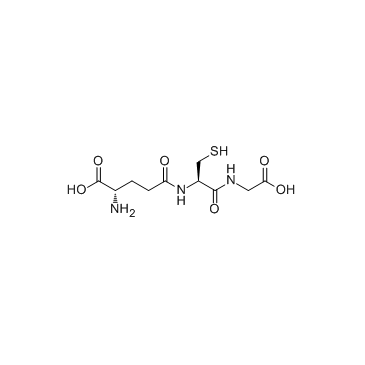
Glutathione Structure Glutathione
CAS:70-18-8
D-GLUCOSE-6-PHOSPHATE PHOSPHOHYDROLASE Structure D-GLUCOSE-6-PHOSPHATE PHOSPHOHYDROLASE
CAS:9001-39-2