GW9662

GW9662 structure
|
Common Name | GW9662 | ||
|---|---|---|---|---|
| CAS Number | 22978-25-2 | Molecular Weight | 276.675 | |
| Density | 1.4±0.1 g/cm3 | Boiling Point | 360.9±32.0 °C at 760 mmHg | |
| Molecular Formula | C13H9ClN2O3 | Melting Point | 171-175 °C(lit.) | |
| MSDS | Chinese USA | Flash Point | 172.0±25.1 °C | |
| Symbol |

GHS07 |
Signal Word | Warning | |
Use of GW9662GW9662 is a potent and selective PPARγ antagonist with an IC50 of 3.3 nM, showing 10 and 1000-fold selectivity over PPARα and PPARδ, respectively. |
This table lists Chinese names, IUPAC names and various aliases of this chemical substance.
| Name | 2-Chloro-5-nitro-N-4-phenylbenzamide |
|---|---|
| Synonym | More Synonyms |
This table contains bioactivity, target information and biological‑assay experimental data of this compound.
| Description | GW9662 is a potent and selective PPARγ antagonist with an IC50 of 3.3 nM, showing 10 and 1000-fold selectivity over PPARα and PPARδ, respectively. |
|---|---|
| Related Catalog | |
| Target |
PPARγ:3.3 nM (IC50) PPARα:32 nM (IC50) PPARδ:2000 nM (IC50) |
| In Vitro | GW9662 inhibits radioligand binding to PPARγ, PPARα, and PPARδ with pIC50s of 8.48±0.27 (IC50=3.3 nM; n=10), 7.49±0.17 (IC50=32 nM; n=9), and 5.69±0.17 (IC50=2000 nM; n=3), respectively. GW9662 has nanomolar IC50 versus PPARγ and is 10- and 600-fold less potent in binding experiments using PPARα and PPARδ, respectively. In cell-based reporter assays, GW9662 is a potent and selective antagonist of full-length PPARγ[1]. Co-treatment with both 50 μM Rosiglitazone and 10 μM GW9662 results in statistically lower viable cell numbers after 7 days when compared to treatment with either 50 μM rosiglitazone (P=0.001) or 10 μM GW9662 (P=0.01) alone[2]. |
| In Vivo | Bone marrow (BM) nucleated cell counts in both BADGE- and GW9662(1 mg/kg, i.p.)-treated mice are significantly higher than counts in the aplastic anemia (AA) group[3]. GW9662 (1 mg/kg, i.p.) largely attenuates the renoprotective effects of Lipopolysaccharide (LPS) in the rat[4]. |
| Cell Assay | Cells (MCF7, MDA-MB-231, MDA-MB-468) are plated in 96-well plates at a density of 1×10³ cells per well in RPMI medium. After overnight incubation to allow for cell attachment, the medium is removed and replaced with fresh medium containing varying concentrations of Rosiglitazone (1-100 μM), GW9662 (100 nM-50 μM) or solvent (DMSO) alone. MDA-MB-231 cells are also subjected to combinations of Rosiglitazone (10, 50 μM) and GW9662 (1, 10 μM) added simultaneously. The final concentration of DMSO in all cases does not exceed 0.1% and is not found to be cytotoxic in any of the cell lines tested at this concentration. Chemosensitivity is assessed following a continuous 72 h exposure using a standard MTT assay. |
| Animal Admin | Mice[3] Inbred C57BL/6 (B6, H2b/b), DBA/1J (DBA/1, H2q/q), FVB/NJ (FVB, H2q/q) mice and congenic C.B10-H2b/b/LilMcd (CB10, H2b/b) mice are used. BADGE or GW9662, are administrated by daily intraperitoneal injection at 30 mg/kg for BADGE, or at 1 mg/kg for GW9662, from one day prior to the experiment and continued for up to 2 weeks. In the FVB AA model, some mice are injected with cyclosporine A (CsA, 50 mg/kg/day) starting 1 hour after the LN injection, and continued for 5 days as immunosuppression. At the end of the experiments, the mice are euthanized by CO2 inhalation. Rats[4] Sixty-two male Wistar rats weighing 215 to 315 g are used in this study. Animals are randomly allocated into 6 groups as follows: (1) I/R group: control, rats are administered 10% (v/v) DMSO (vehicle for GW9662, 1 mL /kg, IP) 24 and 12 hours prior to renal I/R, and saline (vehicle for LPS, 1 mL /kg, IP) 24 hours prior to renal I/R (N=12); (2) I/R LPS group: rats are administered 10% (v/v) DMSO (vehicle for GW9662, 1 mL /kg, IP) 24 and 12 hours prior to renal I/R, and LPS (1 mg/kg, IP) 24 hours prior to renal I/R (N=11); (3) I/R GW9662 group: rats are administered GW9662 (1 mg/kg, IP) 24 and 12 hours prior to renal I/R, and saline (vehicle for LPS, 1 mL /kg, IP) 24 hours prior to renal I/R (N=9); (4) I/R LPS+GW9662 group: rats are administered GW9662 (1 mg/kg, IP) 24 and 12 hours prior to renal I/R, and LPS (1 mg/kg, IP) 24 hours prior to renal I/R (N=11); (5) Sham group: rats are subjected to the same surgical procedures as above, except for renal I/R. Rats are administered 10% (v/v) DMSO (vehicle for GW9662, 1 mL /kg, IP) and saline (vehicle for LPS, 1 mL /kg, IP) at times equivalent to those described above (N=12); (6) Sham GW9662 group: rats are subjected to the same surgical procedures as above, except for renal I/R. Rats are administered GW9662 (1 mg/kg, IP) and saline (vehicle for LPS, 1 mL /kg, IP) at times equivalent to those described above (N=7). |
| References |
This table shows physicochemical parameters including melting point, boiling point, density, solubility and optical rotation. Missing data is marked as N/A.
| Density | 1.4±0.1 g/cm3 |
|---|---|
| Boiling Point | 360.9±32.0 °C at 760 mmHg |
| Melting Point | 171-175 °C(lit.) |
| Molecular Formula | C13H9ClN2O3 |
| Molecular Weight | 276.675 |
| Flash Point | 172.0±25.1 °C |
| Exact Mass | 276.030182 |
| PSA | 74.92000 |
| LogP | 2.76 |
| Appearance of Characters | solid | white |
| Vapour Pressure | 0.0±0.8 mmHg at 25°C |
| Index of Refraction | 1.676 |
| InChIKey | DNTSIBUQMRRYIU-UHFFFAOYSA-N |
| SMILES | O=C(Nc1ccccc1)c1cc([N+](=O)[O-])ccc1Cl |
| Storage condition | 2-8°C |
| Water Solubility | DMSO: 26 mg/mL, soluble |
This table covers safety warnings, protective measures, incompatible substances and disposal guidelines for this compound.
| Symbol |
GHS07 |
|---|---|
| Signal Word | Warning |
| Hazard Statements | H317-H319 |
| Precautionary Statements | P280-P305 + P351 + P338 |
| Hazard Codes | Xi |
| Risk Phrases | R36;R43 |
| Safety Phrases | S26-S36/37-S24/25-S22 |
| RIDADR | NONH for all modes of transport |
| WGK Germany | 3 |
| HS Code | 2924299090 |
This table presents publicly reported synthetic routes, reaction conditions, reactants and product information of the compound.
|
~88%
GW9662 CAS#:22978-25-2 |
| Literature: Henke, Adam; Srogl, Jiri Journal of Organic Chemistry, 2008 , vol. 73, # 19 p. 7783 - 7784 |
|
~66%
GW9662 CAS#:22978-25-2 |
| Literature: Kumar, Anil; Narasimhan, Balasubramanian; Kumar, Devinder Bioorganic and Medicinal Chemistry, 2007 , vol. 15, # 12 p. 4113 - 4124 |
|
~%
GW9662 CAS#:22978-25-2 |
| Literature: Justus Liebigs Annalen der Chemie, , vol. 446, p. 225 |


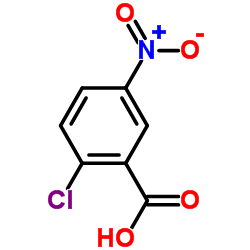
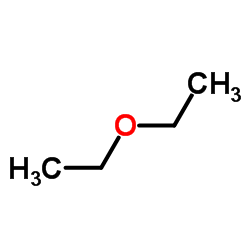
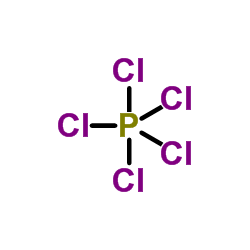
![N-[(2-chloro-5-nitrophenyl)-phenylmethylidene]hydroxylamine structure](https://image.chemsrc.com/caspic/275/141883-38-7.png)
This table lists upstream starting materials and downstream derivative products related to this chemical.
| Precursor 5 | |
|---|---|
| DownStream 0 | |
This table records publicly available preparation methods, process key points and operation references.
This table shows customs‑related data including HS‑code, tariff and regulatory conditions for import and export.
| HS Code | 2924299090 |
|---|---|
| Summary | 2924299090. other cyclic amides (including cyclic carbamates) and their derivatives; salts thereof. VAT:17.0%. Tax rebate rate:13.0%. . MFN tariff:6.5%. General tariff:30.0% |
This table lists relevant public references with title, journal and publication metadata for this compound.
|
Activation of PPAR gamma receptors reduces levodopa-induced dyskinesias in 6-OHDA-lesioned rats.
Neurobiol. Dis. 74 , 295-304, (2015) Long-term administration of l-3,4-dihydroxyphenylalanine (levodopa), the mainstay treatment for Parkinson's disease (PD), is accompanied by fluctuations in its duration of action and motor complicatio... |
|
|
Telmisartan attenuated LPS-induced neuroinflammation in human IMR-32 neuronal cell line via SARM in AT1R independent mechanism.
Life Sci. 130 , 88-96, (2015) The aim of this study was to find the protective role of Telmisartan (TS) in LPS intoxicated neuronal cells and elucidate the possible neuroprotective mechanism of action.TLR4 and AT1R specific primer... |
|
|
Curcumin protects neurons against oxygen-glucose deprivation/reoxygenation-induced injury through activation of peroxisome proliferator-activated receptor-γ function.
J. Neurosci. Res. 92(11) , 1549-59, (2014) The turmeric derivative curcumin protects against cerebral ischemic injury. We previously demonstrated that curcumin activates peroxisome proliferator-activated receptor-γ (PPARγ), a ligand-activated ... |
This table contains target information, in‑vitro & in‑vivo assay data for this compound.
|
Name: Inhibition of neurosphere proliferation of mouse neural precursor cells by MTT assay
Source: ChEMBL
Target: N/A
External Id: CHEMBL1266185
|
|
Name: Primary qHTS assay for inhibitors of alpha-synuclein gene (SNCA) expression
Source: NCGC
External Id: SNCA-p-activity-luciferase
|
|
Name: Fluorescence-based cell-based primary high throughput screening assay to identify ago...
Source: The Scripps Research Institute Molecular Screening Center
Target: muscarinic acetylcholine receptor M1 [Homo sapiens]
External Id: CHRM1_AG_FLUO8_1536_1X%ACT PRUN
|
|
Name: Cytochrome P450 Family 1 Subfamily A Member 2 (CYP1A2) small molecule antagonists: lu...
Source: 824
External Id: CYP273
|
|
Name: Tocris HTS for Inhibitors of Aerobactin Synthetase lucA
Source: 23265
External Id: IucA Pilot Assay Tocris Library
|
|
Name: Fluorescence-based cell-based primary high throughput screening assay to identify pos...
Source: The Scripps Research Institute Molecular Screening Center
Target: muscarinic acetylcholine receptor M1 [Homo sapiens]
External Id: CHRM1_PAM_FLUO8_1536_1X%ACT PRUN
|
|
Name: qHTS Assay for Small Molecule Inhibitors of the Human hERG Channel Activity
Source: NCGC
External Id: HERG01
|
|
Name: qHTS for Inhibitors of TGF-b: Cytotox Counterscreen
Source: NCGC
Target: N/A
External Id: SMAD3201
|
|
Name: uHTS identification of cystic fibrosis induced NFkb Inhibitors in a fluoresence assay
Source: Burnham Center for Chemical Genomics
Target: cystic fibrosis transmembrane conductance regulator [Homo sapiens]
External Id: SBCCG-A764-CF-PAF-Primary-Assay
|
|
Name: Fluorescence-based cell-based primary high throughput screening assay to identify ant...
Source: The Scripps Research Institute Molecular Screening Center
Target: muscarinic acetylcholine receptor M1 [Homo sapiens]
External Id: CHRM1_ANT_FLUO8_1536_1X%INH PRUN
|
This table collects all English aliases, systematic names and CAS‑related synonyms of the compound.
| MFCD01215270 |
| 2-Chloro-5-nitro-N-phenylbenzamide |
| GW-9662 |
| GW9662 |
This section contains frequently‑asked‑questions about this compound, including basic parameters, properties, storage conditions and corresponding answers.
| Q: What is the physical appearance of 2-Chloro-5-nitro-N-4-phenylbenzamide? |
| A: 2-Chloro-5-nitro-N-4-phenylbenzamide appears as solid | white. |
| Q: What are the storage conditions for 2-Chloro-5-nitro-N-4-phenylbenzamide? |
| A: Storage conditions for 2-Chloro-5-nitro-N-4-phenylbenzamide: 2-8°C. |
| Q: What is the boiling point of 2-Chloro-5-nitro-N-4-phenylbenzamide? |
| A: Boiling point of 2-Chloro-5-nitro-N-4-phenylbenzamide is 360.9±32.0 °C at 760 mmHg. |
| Q: What is the LogP of 2-Chloro-5-nitro-N-4-phenylbenzamide? |
| A: LogP of 2-Chloro-5-nitro-N-4-phenylbenzamide is 2.76. |
| Q: What are the upstream materials of 2-Chloro-5-nitro-N-4-phenylbenzamide? |
| A: Related upstream materials(CAS) of 2-Chloro-5-nitro-N-4-phenylbenzamide: 25784-91-2;2516-96-3;60-29-7;10026-13-8;141883-38-7. |
| Q: How is the water solubility of 2-Chloro-5-nitro-N-4-phenylbenzamide? |
| A: Water solubility of 2-Chloro-5-nitro-N-4-phenylbenzamide: DMSO: 26 mg/mL, soluble. |
| Q: What is the molecular formula of 2-Chloro-5-nitro-N-4-phenylbenzamide? |
| A: Molecular formula of 2-Chloro-5-nitro-N-4-phenylbenzamide is C13H9ClN2O3. |
| Q: What is the CAS number of 2-Chloro-5-nitro-N-4-phenylbenzamide? |
| A: CAS number of 2-Chloro-5-nitro-N-4-phenylbenzamide is 22978-25-2. |
| Q: What is the InChIKey of 2-Chloro-5-nitro-N-4-phenylbenzamide? |
| A: InChIKey of 2-Chloro-5-nitro-N-4-phenylbenzamide is DNTSIBUQMRRYIU-UHFFFAOYSA-N. |
| Q: How is 2-Chloro-5-nitro-N-4-phenylbenzamide prepared? |
| A: Preparation method for 2-Chloro-5-nitro-N-4-phenylbenzamide: . |
This table lists manufacturers and suppliers of this compound, including vendor names and product supply reference information.
| Shanghai Nianxing Industrial Co., Ltd |
| Dayang Chem (Hangzhou) Co., Ltd. |