Journal of Virology 2014-11-01

Entry of a novel marine DNA virus, Singapore grouper iridovirus, into host cells occurs via clathrin-mediated endocytosis and macropinocytosis in a pH-dependent manner.

Shaowen Wang, Xiaohong Huang, Youhua Huang, Xian Hao, Haijiao Xu, Mingjun Cai, Hongda Wang, Qiwei Qin

Index: J. Virol. 88(22) , 13047-63, (2014)

Full Text: HTML

Abstract

Iridoviruses are nucleocytoplasmic DNA viruses which cause great economic losses in the aquaculture industry but also show significant threat to global biodiversity. However, a lack of host cells has resulted in poor progress in clarifying iridovirus behavior. We investigated the crucial events during virus entry using a combination of single-virus tracking and biochemical assays, based on the established virus-cell infection model for Singapore grouper iridovirus (SGIV). SGIV infection in host cells was strongly inhibited when cells were pretreated with drugs blocking clathrin-mediated endocytosis, including sucrose and chlorpromazine. Inhibition of key regulators of macropinocytosis, including Na(+)/H(+) exchanger, Rac1 GTPase, p21-activated kinase 1 (PAK1), protein kinase C (PKC), and myosin II, significantly reduced SGIV uptake. Cy5-labeled SGIV particles were observed to colocalize with clathrin and macropinosomes. In contrast, disruption of cellular cholesterol by methyl-β-cyclodextrin and nystatin had no effect on virus infection, suggesting that SGIV entered grouper cells via the clathrin-mediated endocytic pathway and macropinocytosis but not via caveola-dependent endocytosis. Furthermore, inhibitors of endosome acidification such as chloroquine and bafilomycin A1 blocked virus infection, indicating that SGIV entered cells in a pH-dependent manner. In addition, SGIV particles were observed to be transported along both microtubules and actin filaments, and intracellular SGIV motility was remarkably impaired by depolymerization of microtubules or actin filaments. The results of this study for the first time demonstrate that not only the clathrin-dependent pathway but also macropinocytosis are involved in fish DNA enveloped virus entry, thus providing a convenient tactic for exploring the life cycle of DNA viruses.Virus entry into host cells is critically important for initiating infections and is usually recognized as an ideal target for the design of antiviral strategies. Iridoviruses are large DNA viruses which cause serious threats to ecological diversity and the aquaculture industry worldwide. However, the current understanding of iridovirus entry is limited and controversial. Singapore grouper iridovirus (SGIV) is a novel marine fish DNA virus which belongs to genus Ranavirus, family Iridoviridae. Here, using single-virus tracking technology in combination with biochemical assays, we investigated the crucial events during SGIV entry and demonstrated that SGIV entered grouper cells via the clathrin-mediated endocytic pathway in a pH-dependent manner but not via caveola-dependent endocytosis. Furthermore, we propose for the first time that macropinocytosis is involved in iridovirus entry. Together, this work not only contributes greatly to understating iridovirus pathogenesis but also provides an ideal model for exploring the behavior of DNA viruses in living cells.Copyright © 2014, American Society for Microbiology. All Rights Reserved.

Related Compounds

Structure Name/CAS No. Articles
sucrose Structure sucrose
CAS:57-50-1
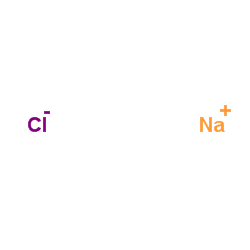
sodium chloride Structure sodium chloride
CAS:7647-14-5
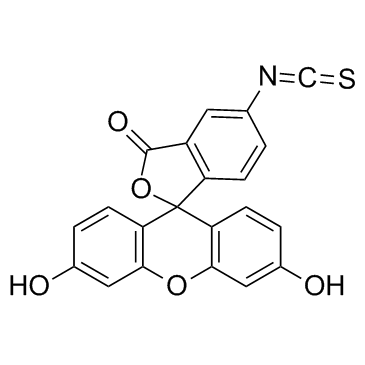
Fluorescein isothiocyanate Structure Fluorescein isothiocyanate
CAS:3326-32-7
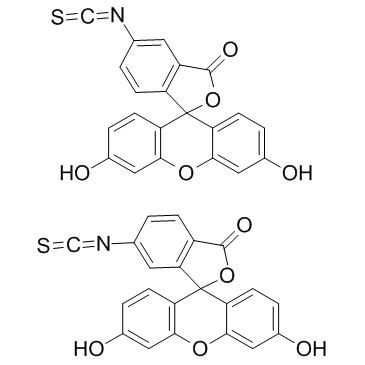
fluorescein 5-isothiocyanate Structure fluorescein 5-isothiocyanate
CAS:27072-45-3
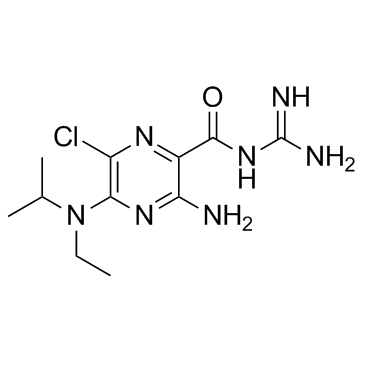
EIPA Structure EIPA
CAS:1154-25-2
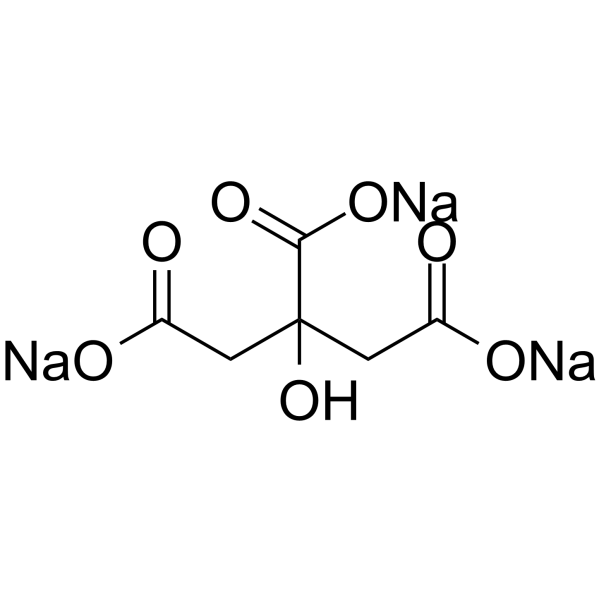
Sodium citrate Structure Sodium citrate
CAS:68-04-2
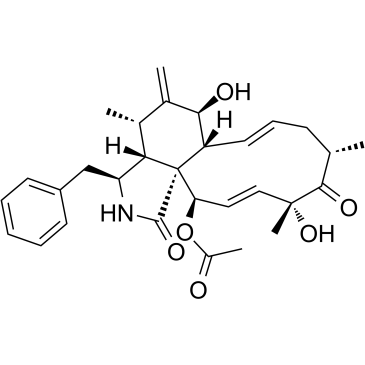
Lygosporin A Structure Lygosporin A
CAS:22144-77-0
SODIUM CHLORIDE-35 CL Structure SODIUM CHLORIDE-35 CL
CAS:20510-55-8
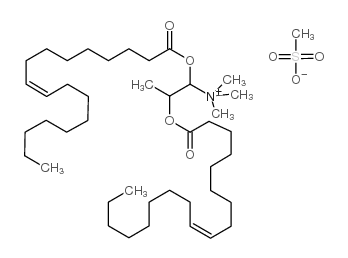
DOTAP Transfection Reagent Structure DOTAP Transfection Reagent
CAS:144189-73-1
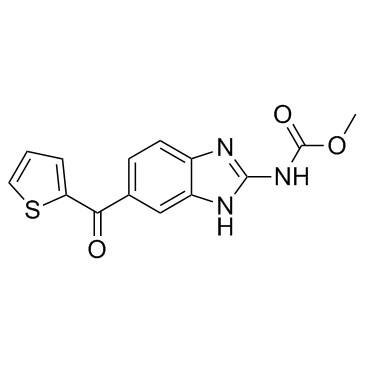
Nocodazole Structure Nocodazole
CAS:31430-18-9