前往化源商城

Prostate 2015-04-01

Prostatic angiogenic responses in late life: antiangiogenic therapy influences and relation with the glandular microenvironment in the transgenic adenocarcinoma of mouse prostate (TRAMP) model.

Fabio Montico, Larissa Akemi Kido, Amanda Cia Hetzl, Valéria Helena Alves Cagnon

文献索引:Prostate 75(5) , 484-99, (2015)

全文:HTML全文

摘要

Aging is considered one of the main predisposing factors for the development of prostate malignancies. Angiogenesis is fundamental for tumor growth and its inhibition represents a promising therapeutic approach in cancer treatment. Thus, we sought to determine angiogenic responses and the effects of antiangiogenic therapy in the mouse prostate during late life, comparing these findings with the prostatic microenvironment in the Transgenic Adenocarcinoma of Mouse Prostate (TRAMP) model.Male mice (52 week-old FVB) were submitted to treatments with SU5416 (6 mg/kg; i.p.) and/or TNP-470 (15 mg/kg; s.c.). Finasteride was administered (20 mg/kg; s.c.), alone or in association to both inhibitors. The dorsolateral prostate was collected for VEGF, HIF-1α, FGF-2 and endostatin immunohistochemical and Western Blotting analyses and for microvessel density (MVD) count.Senescence led to increased MVD and VEGF, HIF-1α and FGF-2 protein levels in the prostatic microenvironment, similarly to what was observed in TRAMP mice prostate. The angiogenic process was impaired in all the treated groups, demonstrating significantly decreased MVD. Antiangiogenic and/or finasteride treatments resulted in decreased VEGF and HIF-1α levels, especially following TNP-470 administration, either alone or associated to SU5416. The combination of these agents resulted in increased endostatin levels, regardless of the presence of finasteride.Prostatic angiogenesis stimulation during senescence favored the development of neoplastic lesions, considering the pro-angiogenic microenvironment as a common aspect also observed during cancer progression in TRAMP mice. The combined antiangiogenic therapy was more efficient, leading to enhanced imbalance towards angiogenic inhibition in the organ. Finally, finasteride administration might secondarily upregulate the expression of pro-angiogenic factors, pointing to the harmful effects of this therapy.© 2014 Wiley Periodicals, Inc.

相关化合物

结构式 名称/CAS号 全部文献
乙醇 结构式 乙醇
CAS:64-17-5
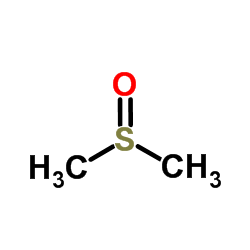
二甲基亚砜 结构式 二甲基亚砜
CAS:67-68-5
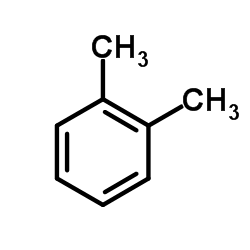
邻二甲苯 结构式 邻二甲苯
CAS:95-47-6
L-2,4-二氨基丁酸 单盐酸盐 结构式 L-2,4-二氨基丁酸 单盐酸盐
CAS:1482-98-0
非那雄胺 结构式 非那雄胺
CAS:98319-26-7
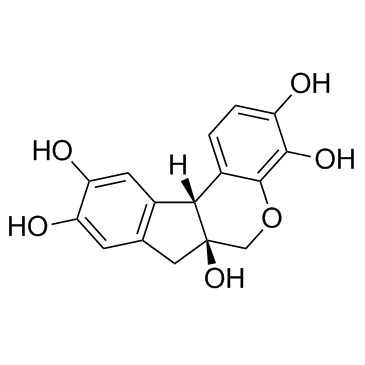
苏木精 结构式 苏木精
CAS:517-28-2
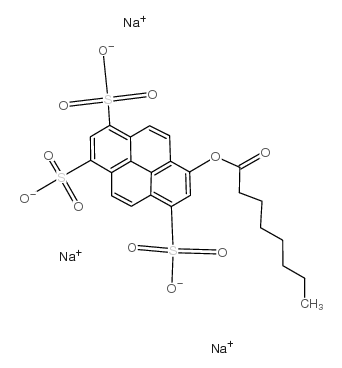
8-辛酰氧基芘-1,3,6-三磺酸三钠盐 结构式 8-辛酰氧基芘-1,3,6-三磺酸三钠盐
CAS:115787-84-3