2-Nitrochlorobenzene
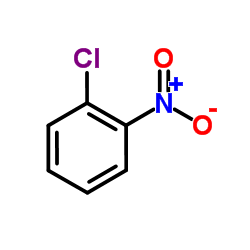
2-Nitrochlorobenzene structure
|
Common Name | 2-Nitrochlorobenzene | ||
|---|---|---|---|---|
| CAS Number | 88-73-3 | Molecular Weight | 157.555 | |
| Density | 1.4±0.1 g/cm3 | Boiling Point | 245.5±0.0 °C at 760 mmHg | |
| Molecular Formula | C6H4ClNO2 | Melting Point | 31-33 °C(lit.) | |
| MSDS | Chinese USA | Flash Point | 96.5±19.8 °C | |
| Symbol |

GHS06 |
Signal Word | Danger | |
| Name | 2-Chloronitrobenzene |
|---|---|
| Synonym | More Synonyms |
| Density | 1.4±0.1 g/cm3 |
|---|---|
| Boiling Point | 245.5±0.0 °C at 760 mmHg |
| Melting Point | 31-33 °C(lit.) |
| Molecular Formula | C6H4ClNO2 |
| Molecular Weight | 157.555 |
| Flash Point | 96.5±19.8 °C |
| Exact Mass | 156.993057 |
| PSA | 45.82000 |
| LogP | 2.34 |
| Vapour density | 5.4 (vs air) |
| Vapour Pressure | 0.0±0.4 mmHg at 25°C |
| Index of Refraction | 1.580 |
| Stability | Stable. Combustible. Incompatible with strong oxidizing agents, reducing agents, strong bases, alkali metals. |
| Water Solubility | 0.43 g/L (20 ºC) |
CHEMICAL IDENTIFICATION
HEALTH HAZARD DATAACUTE TOXICITY DATA
MUTATION DATA
|
| Symbol |
GHS06 |
|---|---|
| Signal Word | Danger |
| Hazard Statements | H301 + H311 |
| Precautionary Statements | P280-P301 + P310-P312 |
| Personal Protective Equipment | Eyeshields;Faceshields;Gloves;type P2 (EN 143) respirator cartridges |
| Hazard Codes | T:Toxic; |
| Risk Phrases | R22;R24;R52/53 |
| Safety Phrases | S36/37/39-S45-S60-S38-S28A |
| RIDADR | UN 1578 6.1/PG 2 |
| WGK Germany | 2 |
| RTECS | CZ0875000 |
| Packaging Group | II |
| Hazard Class | 6.1 |
| HS Code | 29049085 |
| Precursor 10 | |
|---|---|
| DownStream 9 | |
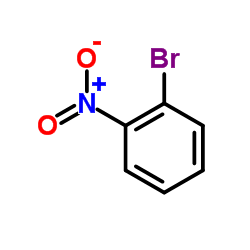 CAS#:577-19-5
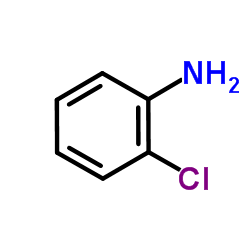 CAS#:95-51-2
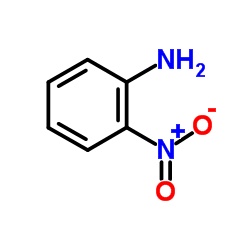 CAS#:88-74-4
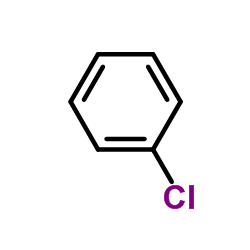 CAS#:108-90-7
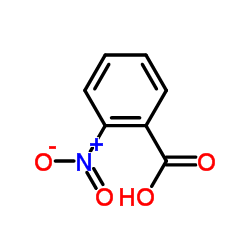 CAS#:552-16-9
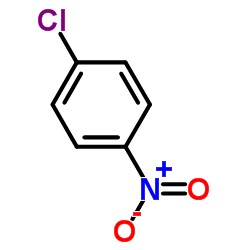 CAS#:100-00-5
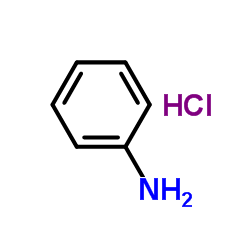 CAS#:142-04-1
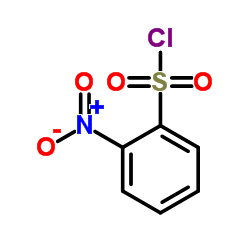 CAS#:1694-92-4
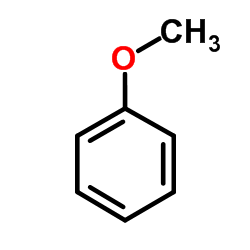 CAS#:100-66-3
 CAS#:98-95-3
 CAS#:10468-16-3
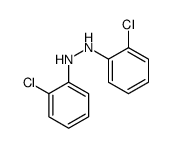 CAS#:782-74-1
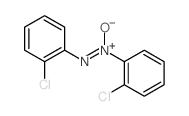 CAS#:13556-84-8
 CAS#:10565-14-7
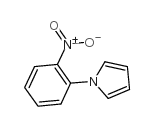 CAS#:33265-60-0
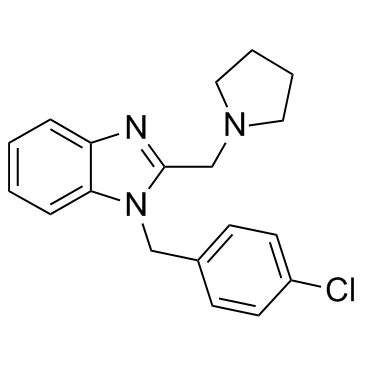 CAS#:442-52-4
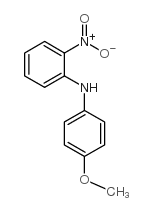 CAS#:54381-13-4
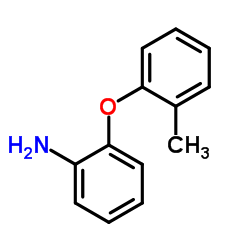 CAS#:3840-18-4
| HS Code | 2904901100 |
|---|---|
| Summary | 2904901100 1-chloro-2-nitrobenzene. Supervision conditions:None.VAT:17.0% Tax rebate rate:9.0% |
|
Dinitrochlorobenzene is inherently mutagenic in the presence of trace mutagenic contaminants.
Arch. Dermatol. 124(3) , 396-8, (1988) 2,4-Dinitrochlorobenzene (DNCB) is used for immunotherapy of alopecia areata and verruca vulgaris. We initially postulated that the presence of mutagenic contaminants in commercially available DNCB mi... |
|
|
Determination of trace level genotoxic impurities in small molecule drug substances using conventional headspace gas chromatography with contemporary ionic liquid diluents and electron capture detection.
J. Chromatogr. A. 1361 , 217-28, (2014) Ionic liquids (ILs) were used as a new class of diluents for the analysis of two classes of genotoxic impurities (GTIs), namely, alkyl/aryl halides and nitro-aromatics, in small molecule drug substanc... |
|
|
2-Chloronitrobenzene, 3-chloronitrobenzene and 4-chloronitrobenzene.
IARC Monogr. Eval. Carcinog. Risks Hum. 65 , 263-96, (1996)
|
| 2-Nitrochlorobenzene |
| 1-Chloro-2-nitro-benzene |
| ortho-chloronitrobenzene |
| 1-Nitro-2-chlorobenzene |
| benzene, chloronitro- |
| chloronitrobenzene |
| MFCD00007061 |
| EINECS 201-854-9 |
| nitrochlorobenzene |
| Nitrochlorobenzene, o- |
| o-chloronitrobenzene |
| o-Nitrochlorobenzene |
| Benzene, 1-chloro-2-nitro- |
| 2-CHLORO-1-NITROBENZENE |
| 1-chloronitrobenzene |
| Nitrochlorobenzene, ortho |
| 1-Chloro-2-nitrobenzene |
| 2-Chloronitrobenzene |
The content on this webpage is sourced from various professional data sources. If you have any questions or concerns regarding the content, please feel free to contact service1@chemsrc.com.
- Shanghai Nianxing Industrial Co., Ltd
- China
- Product Name: 2-Nitrochlorobenzene
- Price: Check
- Purity: 99.5%
- Delivery: 10 Day
- Contact: Yang
- Email: sales@echemcloud.com
- Shanghai Jizhi Biochemical Technology Co., Ltd
- China
- Product Name: 2-Nitrochlorobenzene
- Price: ¥178.0/500g
- Purity: 99.0%
- Delivery: 3 Day
- Contact: Liu jia


- Email: 2130147988@qq.com
- Dayang Chem (Hangzhou) Co., Ltd.
- China
- Product Name: 2-Nitrochlorobenzene
- Price: $Inquiry/100g $Inquiry/1kg $Inquiry/100kg $Inquiry/1000kg
- Purity: 98.0%
- Delivery: Inquiry
- Contact: Ms Wang
- Email: enquiry@dycnchem.com
- Henan Tianfu Chemical Co., Ltd.
- China
- Product Name: 2-Chloronitrobenzene
- Price: $Inquiry/1kg $Inquiry/25kg $Inquiry/1000kg $Inquiry/10ton
- Purity: 99.0%
- Delivery: Inquiry
- Contact: Anson
- Email: info@tianfuchem.com
Get all suppliers and price by the below link: