4-tert-Octylphenol
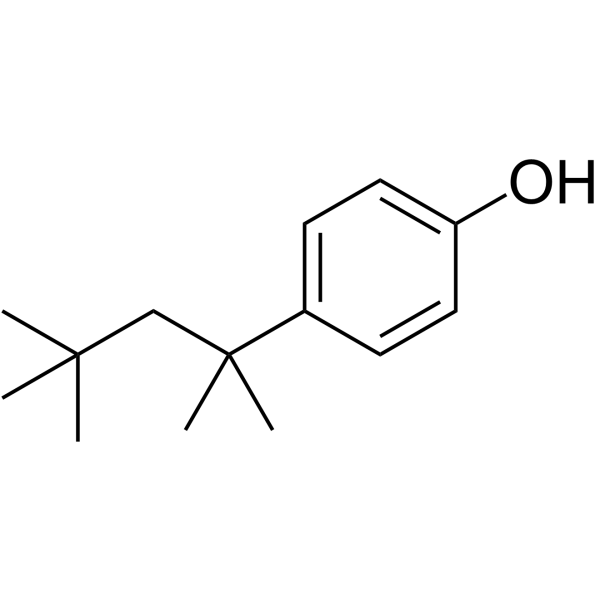
4-tert-Octylphenol structure
|
Common Name | 4-tert-Octylphenol | ||
|---|---|---|---|---|
| CAS Number | 140-66-9 | Molecular Weight | 206.324 | |
| Density | 0.9±0.1 g/cm3 | Boiling Point | 282.3±0.0 °C at 760 mmHg | |
| Molecular Formula | C14H22O | Melting Point | 79-82 °C(lit.) | |
| MSDS | Chinese USA | Flash Point | 148.3±8.2 °C | |
| Symbol |


GHS02, GHS07 |
Signal Word | Danger | |
Use of 4-tert-Octylphenol4-tert-Octylphenol, a endocrine-disrupting chemical, is an estrogenic drug. 4-tert-Octylphenol induces apoptosis in neuronal progenitor cells in offspring mouse brain. 4-tert-Octylphenol reduces bromodeoxyuridine (BrdU), mitotic marker Ki67, and phospho-histone H3 (p-Histone-H3), resulting in a reduction of neuronal progenitor proliferation. 4-tert-Octylphenol disrupts brain development and behavior in mice[1]. |
| Name | 4-tert-Octylphenol |
|---|---|
| Synonym | More Synonyms |
| Description | 4-tert-Octylphenol, a endocrine-disrupting chemical, is an estrogenic drug. 4-tert-Octylphenol induces apoptosis in neuronal progenitor cells in offspring mouse brain. 4-tert-Octylphenol reduces bromodeoxyuridine (BrdU), mitotic marker Ki67, and phospho-histone H3 (p-Histone-H3), resulting in a reduction of neuronal progenitor proliferation. 4-tert-Octylphenol disrupts brain development and behavior in mice[1]. |
|---|---|
| Related Catalog | |
| Target |
Human Endogenous Metabolite |
| References |
| Density | 0.9±0.1 g/cm3 |
|---|---|
| Boiling Point | 282.3±0.0 °C at 760 mmHg |
| Melting Point | 79-82 °C(lit.) |
| Molecular Formula | C14H22O |
| Molecular Weight | 206.324 |
| Flash Point | 148.3±8.2 °C |
| Exact Mass | 206.167068 |
| PSA | 20.23000 |
| LogP | 4.93 |
| Vapour Pressure | 0.0±0.6 mmHg at 25°C |
| Index of Refraction | 1.501 |
| InChIKey | ISAVYTVYFVQUDY-UHFFFAOYSA-N |
| SMILES | CC(C)(C)CC(C)(C)c1ccc(O)cc1 |
| Storage condition | Refrigerator |
| Stability | Stable. Incompatible with strong oxidizing agents, strong bases. |
CHEMICAL IDENTIFICATION
HEALTH HAZARD DATAACUTE TOXICITY DATA
|
| Symbol |
GHS02, GHS07 |
|---|---|
| Signal Word | Danger |
| Hazard Statements | H225-H319-H336 |
| Supplemental HS | Repeated exposure may cause skin dryness or cracking. |
| Precautionary Statements | P210-P261-P305 + P351 + P338 |
| Personal Protective Equipment | Eyeshields;Faceshields;full-face respirator (US);Gloves;multi-purpose combination respirator cartridge (US) |
| Hazard Codes | Xn:Harmful; |
| Risk Phrases | R21;R38;R41 |
| Safety Phrases | S26-S36 |
| RIDADR | 2430 |
| WGK Germany | 2 |
| RTECS | SM9625000 |
| Packaging Group | III |
| Hazard Class | 8 |
| HS Code | 29071300 |
| Precursor 9 | |
|---|---|
| DownStream 10 | |
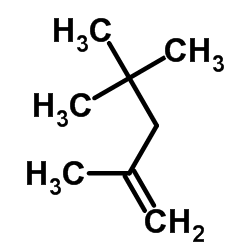 CAS#:107-39-1
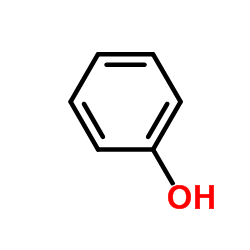 CAS#:108-95-2
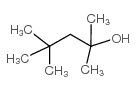 CAS#:690-37-9
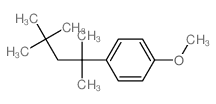 CAS#:5413-23-0
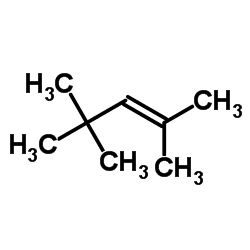 CAS#:107-40-4
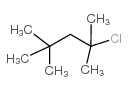 CAS#:6111-88-2
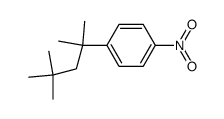 CAS#:748815-18-1
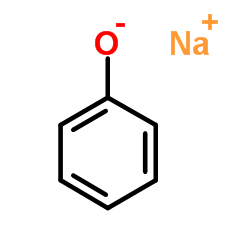 CAS#:139-02-6
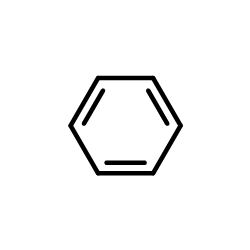 CAS#:71-43-2
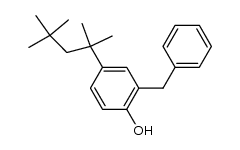 CAS#:37693-05-3
 CAS#:110875-85-9
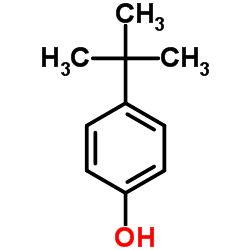 CAS#:98-54-4
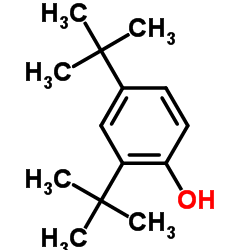 CAS#:96-76-4
 CAS#:99-96-7
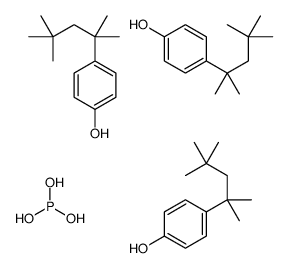 CAS#:3001-56-7
![2-[[2-hydroxy-5-(2,4,4-trimethylpentan-2-yl)phenyl]methyl]-4-(2,4,4-trimethylpentan-2-yl)phenol structure](https://image.chemsrc.com/caspic/400/27725-17-3.png) CAS#:27725-17-3
CAS#:27725-17-3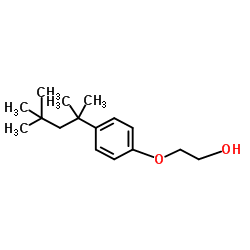 CAS#:2315-67-5
![calix[5]arene structure](https://image.chemsrc.com/caspic/044/83933-03-3.png) CAS#:83933-03-3
CAS#:83933-03-3| HS Code | 2907139000 |
|---|---|
| Summary | 2907139000 3-octylphenol。Supervision conditions:None。VAT:17.0%。Tax rebate rate:9.0%。Lowest tariff:5.5%。General tariff:30.0% |
|
Effects of Endocrine Disruptor Compounds, Alone or in Combination, on Human Macrophage-Like THP-1 Cell Response.
PLoS ONE 10 , e0131428, (2015) The aim of the present study was to evaluate the immunological effects on human macrophages of four endocrine disruptor compounds (EDCs) using the differentiated human THP-1 cell line as a model. We s... |
|
|
Liquid chromatographic-tandem mass spectrometric method for the simultaneous determination of alkylphenols polyethoxylates, alkylphenoxy carboxylates and alkylphenols in wastewater and surface-water.
J. Chromatogr. A. 1362 , 75-88, (2014) Four different pellicular stationary phases (i.e. octadecylsilane, octasilane, Phenyl-Hexyl and pentafluorophenyl) were investigated for the chromatographic resolution of alkylphenols (APs), alkylphen... |
|
|
Occurrence and spatial distribution of EDCs and related compounds in waters and sediments of Iberian rivers.
Sci. Total Environ. 503-504 , 69-86, (2015) The environmental presence of chemicals capable of affecting the endocrine system has become a matter of scientific and public concern after certain endocrine disruptor compounds (EDCs) have been dete... |
| Phenol, 4-(1,1,3,3-tetramethylbutyl)- |
| 4-(tert-octyl)phenol |
| 4-tert-octyl phenol |
| Phenol, p- (1,1,3,3-tetramethylbutyl)- |
| 4-(2,4,4-trimethylpentan-2-yl)phenol |
| EINECS 205-426-2 |
| Phenol, 4- (1,1,3,3-tetramethylbutyl)- |
| 4-(1,1,3,3-TetraMethylbutyl)phenol |
| p-(Tert-octyl)-Phenol |
| p-tert-octylphenol |
| 4-(2,4,4-Trimethyl-2-pentanyl)phenol |
| p-(1,1,3,3-tetramethylbutyl)phenol |
| MFCD00002368 |
| tert-octylphenol |
| t-octylphenol |
| phenol, 4-tert-octyl- |
| 4-tert-octylphenol |
| para-tert-Octylphenol |
| Phenol, p-(tert-octyl)- |
| p-tert octylphenol(PTOP) |
The content on this webpage is sourced from various professional data sources. If you have any questions or concerns regarding the content, please feel free to contact service1@chemsrc.com.
- Shanghai Nianxing Industrial Co., Ltd
- China
- Product Name: 4-tert-Octylphenol
- Price: Check
- Purity: 98.0%
- Delivery: 10 Day
- Contact: Yang
- Email: sales@echemcloud.com
- Shanghai Jizhi Biochemical Technology Co., Ltd
- China
- Product Name: 4-tert-Octylphenol
- Price: ¥148.0/500g
- Purity: 97.0%
- Delivery: 1 Day
- Contact: Liu jia


- Email: 2130147988@qq.com
- Dayang Chem (Hangzhou) Co., Ltd.
- China
- Product Name: 4-tert-Octylphenol
- Price: $Inquiry/100g $Inquiry/1kg $Inquiry/100kg $Inquiry/1000kg
- Purity: 98.0%
- Delivery: Inquiry
- Contact: Ms Wang
- Email: enquiry@dycnchem.com
Get all suppliers and price by the below link: