Carbon
Carbon structure
|
Common Name | Carbon | ||
|---|---|---|---|---|
| CAS Number | 7440-44-0 | Molecular Weight | 12.00 | |
| Density | ~1.7 g/mL at 25 °C(lit.) | Boiling Point | 500-600 °C(lit.) | |
| Molecular Formula | C | Melting Point | 3550 °C(lit.) | |
| MSDS | Chinese USA | Flash Point | >230 °F | |
| Symbol |

GHS02 |
Signal Word | Warning | |
Use of CarbonCarbon can be used as an excipient, such as decolorizer. Pharmaceutical excipients, or pharmaceutical auxiliaries, refer to other chemical substances used in the pharmaceutical process other than pharmaceutical ingredients. Pharmaceutical excipients generally refer to inactive ingredients in pharmaceutical preparations, which can improve the stability, solubility and processability of pharmaceutical preparations. Pharmaceutical excipients also affect the absorption, distribution, metabolism, and elimination (ADME) processes of co-administered drugs[1]. |
Summary: Carbon (Chinese name: Activated carbon, CAS number: 7440-44-0, molecular formula: C, molecular weight: 12.00), appears as rods, with a melting point of 3550 °C and a boiling point of 500-600 °C. Density is approximately 1.7 g/mL. For research-use only, not for medical or clinical usage.
This table lists Chinese names, IUPAC names and various aliases of this chemical substance.
| Name | carbon atom |
|---|---|
| Synonym | More Synonyms |
This table contains bioactivity, target information and biological‑assay experimental data of this compound.
| Description | Carbon can be used as an excipient, such as decolorizer. Pharmaceutical excipients, or pharmaceutical auxiliaries, refer to other chemical substances used in the pharmaceutical process other than pharmaceutical ingredients. Pharmaceutical excipients generally refer to inactive ingredients in pharmaceutical preparations, which can improve the stability, solubility and processability of pharmaceutical preparations. Pharmaceutical excipients also affect the absorption, distribution, metabolism, and elimination (ADME) processes of co-administered drugs[1]. |
|---|---|
| Related Catalog | |
| References |
This table shows physicochemical parameters including melting point, boiling point, density, solubility and optical rotation. Missing data is marked as N/A.
| Density | ~1.7 g/mL at 25 °C(lit.) |
|---|---|
| Boiling Point | 500-600 °C(lit.) |
| Melting Point | 3550 °C(lit.) |
| Molecular Formula | C |
| Molecular Weight | 12.00 |
| Flash Point | >230 °F |
| Appearance of Characters | rod |
| Vapour Pressure | <0.1 mm Hg ( 20 °C) |
| InChIKey | OKTJSMMVPCPJKN-UHFFFAOYSA-N |
| SMILES | [C] |
| Storage condition | Flammables area |
| Stability | Stable. Incompatible with strong oxidizing agents. Combustible. Highly flammable in powdered form. |
This table provides MSDS information including hazard classification, first‑aid, fire‑fighting, spill handling, operation and storage instructions.
This table covers safety warnings, protective measures, incompatible substances and disposal guidelines for this compound.
| Symbol |
GHS02 |
|---|---|
| Signal Word | Warning |
| Hazard Statements | H228 |
| Precautionary Statements | P210 |
| Personal Protective Equipment | Eyeshields;Gloves;type N95 (US);type P1 (EN143) respirator filter |
| Hazard Codes | F,Xn,Xi |
| Risk Phrases | 36/37-36/37/38-20-10 |
| Safety Phrases | 26-36-24/25-22-36/37 |
| RIDADR | UN 1325 4.1/PG 3 |
| WGK Germany | 3 |
| RTECS | FF5250100 |
| Packaging Group | III |
| Hazard Class | 4.2 |
| HS Code | 38021000 |
This table presents publicly reported synthetic routes, reaction conditions, reactants and product information of the compound.
This table lists upstream starting materials and downstream derivative products related to this chemical.
| Precursor 10 | |
|---|---|
| DownStream 10 | |
 CAS#:98-00-0
 CAS#:74-86-2
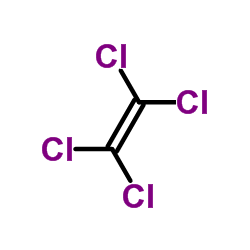 CAS#:127-18-4
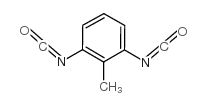 CAS#:91-08-7
 CAS#:584-84-9
 CAS#:201230-82-2
 CAS#:54509-73-8
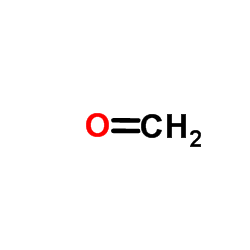 CAS#:50-00-0
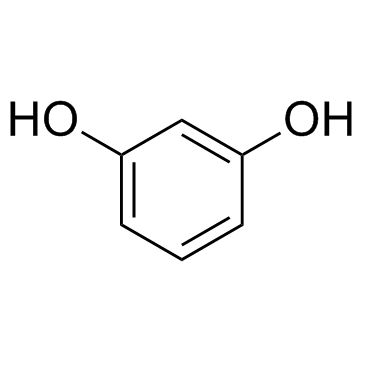 CAS#:108-46-3
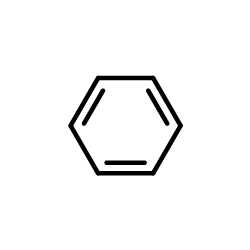 CAS#:71-43-2
 CAS#:104571-64-4
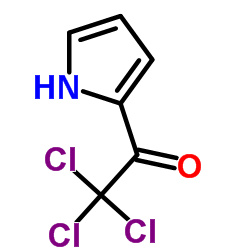 CAS#:35302-72-8
 CAS#:403-14-5
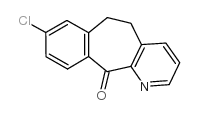 CAS#:31251-41-9
 CAS#:3913-19-7
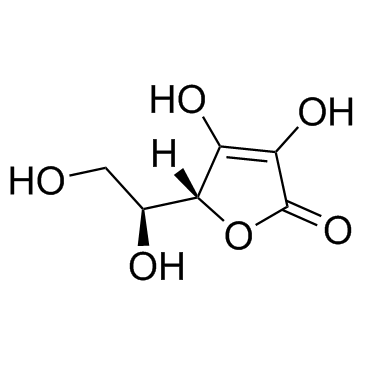 CAS#:50-81-7
 CAS#:1526-17-6
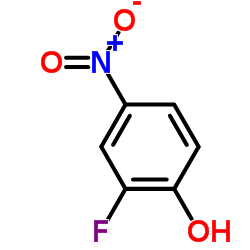 CAS#:403-19-0
 CAS#:55095-17-5
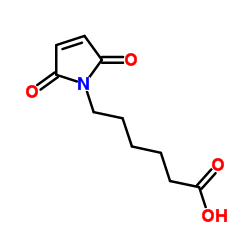 CAS#:55750-53-3
This table lists relevant public references with title, journal and publication metadata for this compound.
|
Functional characterisation and permeation studies of lyophilised thiolated chitosan xerogels for buccal delivery of insulin.
Protein Pept. Lett. 21(11) , 1163-75, (2014) Stable and mucoadhesive, lyophilised, thiolated chitosan xerogels, loaded with insulin for buccal mucosa deliv- ery, in place of the currently used parenteral route have been developed. The xerogels w... |
|
|
Multiplexed microfluidic enzyme assays for simultaneous detection of lipolysis products from adipocytes.
Anal. Bioanal. Chem 406(20) , 4851-9, (2014) Microfluidics has enabled new cell biology experiments. Incorporating chemical monitoring of cellular secretion into chips offers the potential to increase information content and utility of such syst... |
|
|
Brucella abortus depends on pyruvate phosphate dikinase and malic enzyme but not on Fbp and GlpX fructose-1,6-bisphosphatases for full virulence in laboratory models.
J. Bacteriol. 196(16) , 3045-57, (2014) The brucellae are the etiological agents of brucellosis, a worldwide-distributed zoonosis. These bacteria are facultative intracellular parasites and thus are able to adjust their metabolism to the ex... |
This table collects all English aliases, systematic names and CAS‑related synonyms of the compound.
| Trivial Transfer aphene |
| MULTI-WALLCBONNANOTUBES |
| ACTIVE CARBON |
| DARCO G 60 ACTIVATED CHARCOAL |
| AMinated aphene TA covalently linked |
| AMinated aphene OctadecylaMine covalently linked |
| Carbon Activated |
| CHCOAL,ACTIVATED,NORITSA5,POWDER |
| CHARCOAL ACTIVATED |
| Single Layer aphene on Qutz |
| Cbonrods |
| TOTALCBON |
| Single Layer aphene on Glass |
| Multi-walled cbon nanotube |
| carbon |
| CHCOAL,ACTIVATED,DCOG60,POWDER |
| Activated cbon, 4 x 10 mesh anules |
| CHCOAL,ACTIVATED,NORITSX |
| Single Layer aphene on SiO2 |
| CBON POWDER, 5N |
| ELEMENTALCBON |
| MFCD00133992 |
| CARBON, ACTIVATED, CHORCARB 130 GRADE/ACTIVATED CARBON/CHARCOAL, ACTIVATED |
| Single Layer aphene on Copper Foil |
| APHITEFIBRES |
| AMinated aphene Piperazine covalently linked |
| Single Layer aphene on PET |
| CARBON (AMORPHOUS) |
| Cbonsheet |
| Cbon, activated, -40 mesh |
| CHCOAL,ACTIVATED,NORITRBHG |
| CHCOAL,ACTIVATED,NORITAQUIUM,ANUL |
| GLASSY CARBON |
| Thiol aphene |
| CHCOAL,ACTIVATED,ANUL |
| CARBON ACTIVATED (GRANULAR) |
| CARBON, ACTIVATED, DARCO ACID WASHED |
| Single Layer aphene on Plastic |
| ACTIVATED CARBON |
| FERRO CHROMIUM |
| 3D Freestanding aphene FoaM or on Nickel |
| Cbonpowder |
| APHITICCBONS |
| CBON POWDER, 2N |
| Activated charcoal |
| ACETYLENE CBON BLACK , 4N |
| (0321) CARBON |
| ACTIV COAL |
| Acetylenecbonblack |
| ACETYLENE CBON: ( COMPRESSED), 4N |
| CVDapheneTM filM dosited on TEM ids |
| Cboxyl aphene |
| CHCOAL,ACTIVATED,NORITCN3,POWDER |
| CHARCOAL, ACTIVATED GRANULAR |
| CHCOAL,ACTIVATED,NORITCA3,POWDER |
| Dispersion of Cboxyl aphene |
| SINGLE-WALLEDCBONNANOTUBES |
| CBONAEROSOL |
| Single Layer CVD hexagonal Boron Nitride FilM on 285 nM SiO2/Si substrates (p-doped) |
| CBON RODS, 5N: 99 |
| EINECS 231-153-3 |
| Cbon nanodiscs/nanocones (annealed) |
| CBON, ACTIVATED, NORIT ROW 0.8MM PELLETS, STEAM ACTIVATED |
| Cbonyn |
| Single layer h-BN (Boron Nitride) filM own in copper foil |
| COLLOIDALCBON |
| Reduced aphene Oxide@ Fe3O4 |
| ACTIVATED CBON (ELECTROPLTIN) |
| CHCOAL,ACTIVATED,FINEANUL(BULK |
| ACTIVATED CARBON, GRANULES 2.5 MM |
| CBONIONS |
| ACTIVATEDCHARCOAL |
| Acetylenecbonblack(compressed) |
| CBON, ACTIVATED, CHORCB 130 POWDER |
| GO quantuM dots |
| CARBON, ACTIVATED |
| AMinated aphene Amino-PEG covalently linked |
| Single Layer aphene on Si |
This section contains frequently‑asked‑questions about this compound, including basic parameters, properties, storage conditions and corresponding answers.
| Q: What is the molecular formula of carbon atom? |
| A: Molecular formula of carbon atom is C. |
| Q: What is the CAS number of carbon atom? |
| A: CAS number of carbon atom is 7440-44-0. |
| Q: What is the safety information for carbon atom? |
| A: Safety information for carbon atom: 26-36-24/25-22-36/37. |
| Q: What are the storage conditions for carbon atom? |
| A: Storage conditions for carbon atom: Flammables area. |
| Q: What is the InChIKey of carbon atom? |
| A: InChIKey of carbon atom is OKTJSMMVPCPJKN-UHFFFAOYSA-N. |
| Q: What are the upstream materials of carbon atom? |
| A: Related upstream materials(CAS) of carbon atom: 98-00-0;74-86-2;127-18-4;91-08-7;584-84-9;201230-82-2;54509-73-8;50-00-0;108-46-3;71-43-2. |
| Q: What is the molecular weight of carbon atom? |
| A: Molecular weight of carbon atom is 12.00. |
| Q: What is the melting point of carbon atom? |
| A: Melting point of carbon atom is 3550 °C(lit.). |
| Q: What is the physical appearance of carbon atom? |
| A: carbon atom appears as rod. |
| Q: What are the downstream products of carbon atom? |
| A: Related downstream products(CAS) of carbon atom: 104571-64-4;35302-72-8;403-14-5;31251-41-9;3913-19-7;50-81-7;1526-17-6;403-19-0;55095-17-5;55750-53-3. |
This table lists manufacturers and suppliers of this compound, including vendor names and product supply reference information.
| Henan Tianfu Chemical Co., Ltd. |