Biochimica et Biophysica Acta 2012-12-01

The lipopeptide toxins anabaenolysin A and B target biological membranes in a cholesterol-dependent manner.

Linn Oftedal, Lene Myhren, Jouni Jokela, Gro Gausdal, Kaarina Sivonen, Stein Ove Døskeland, Lars Herfindal

Index: Biochim. Biophys. Acta 1818 , 3000-9, (2012)

Full Text: HTML

Abstract

The two novel cyanobacterial cyclic lipopeptides, anabaenolysin (Abl) A and B permeabilised mammalian cells, leading to necrotic death. Abl A was a more potent haemolysin than other known biodetergents, including digitonin, and induced discocyte-echinocyte transformation in erythrocytes. The mitochondria of the dead cells appeared intact with regard to both ultrastructure and membrane potential. Also isolated rat liver mitochondria were resistant to Abl, judged by their ultrastructure and lack of cytochrome c release. The sparing of the mitochondria could be related to the low cholesterol content of their outer membrane. In fact, a supplement of cholesterol in liposomes sensitised them to Abl. In contrast, the prokaryote-directed cyclic lipopeptide surfactin lysed preferentially non-cholesterol-containing membranes. In silico comparison of the positions of relevant functional chemical structures revealed that Abl A matched poorly with surfactin in spite of the common cyclic lipopeptide structure. Abl A and the plant-derived glycolipid digitonin had, however, predicted overlaps of functional groups, particularly in the cholesterol-binding tail of digitonin. This may suggest independent evolution of Abl and digitonin to target eukaryotic cholesterol-containing membranes. Sub-lytic concentrations of Abl A or B allowed influx of propidium iodide into cells without interfering with their long-term cell viability. The transient permeability increase allowed the influx of enough of the cyanobacterial cyclic peptide toxin nodularin to induce apoptosis. The anabaenolysins might therefore not only act solely as lysins, but also as cofactors for the internalisation of other toxins. They represent a potent alternative to digitonin to selectively disrupt cholesterol-containing biological membranes.Copyright © 2012 Elsevier B.V. All rights reserved.

Related Compounds

Structure Name/CAS No. Articles
Nodularin Structure Nodularin
CAS:118399-22-7
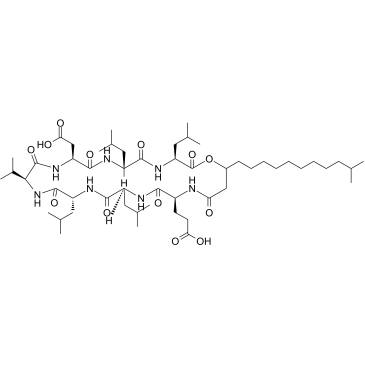
Surfactin Structure Surfactin
CAS:24730-31-2
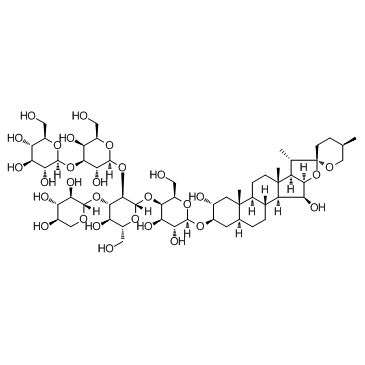
Digitonin Structure Digitonin
CAS:11024-24-1