Journal of Ethnopharmacology 2015-05-26

Metabolomics study of hematopoietic function of Angelica sinensis on blood deficiency mice model.

Peng-Ling Li, Hong-Guo Sun, Yong-Li Hua, Peng Ji, Ling Zhang, Jin-Xia Li, Yanming Wei

Index: J. Ethnopharmacol. 166 , 261-9, (2015)

Full Text: HTML

Abstract

Angelica sinensis (AS) has been used in traditional Chinese medicine for thousands of years to enrich and invigorate blood. In this study, the aim is to investigate the influence of AS on metabolism of blood deficiency mice model and to explore its anti-blood deficiency mechanism.The blood deficiency mice model was induced by being hypodermically injected with N-acetyl phenylhydrazine (APH) and being intraperitoneally injected with cyclophosphamide (CTX). Gas chromatography-mass spectrometry (GC-MS), principle component analysis (PCA) and partial least squares-discriminant analysis (PLS-DA) were used to identify potential biomarkers in plasma and splenic tissue.The levels of white blood cell (WBC), red blood cell (RBC), hemoglobin (HGB) and platelet (PLT) showed a trend to return to control group after administrating with AS, while the dose of 10g/kg showed the best effect. Potential metabolite biomarkers (nine in the plasma and nine in the spleen homogenates) were identified in this study. These biomarkers were mainly related to five metabolic pathways, such as arachidonic acid metabolism, valine, leucine and isoleucine biosynthesis, glycine, serine and threonine metabolism, arginine and proline metabolism and TCA cycle.Metabolomics was used to reflect an organism׳s physiological and metabolic state comprehensively, indicating that metabolomics was a potentially powerful tool to reveal the anti-blood deficiency mechanism of AS.Copyright © 2015 Elsevier Ireland Ltd. All rights reserved.

Related Compounds

Structure Name/CAS No. Articles
Hydrochloric acid Structure Hydrochloric acid
CAS:7647-01-0
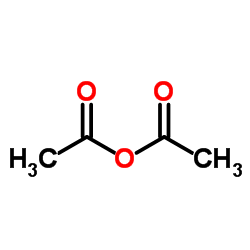
Ethanoic anhydride Structure Ethanoic anhydride
CAS:108-24-7
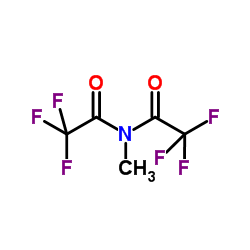
N-Methyl-bis(trifluoroacetamide) Structure N-Methyl-bis(trifluoroacetamide)
CAS:685-27-8
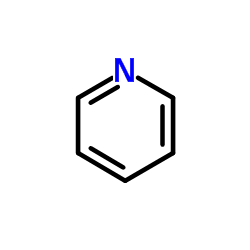
Pyridine Structure Pyridine
CAS:110-86-1
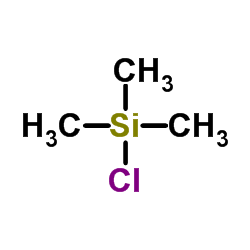
Chlorotrimethylsilane Structure Chlorotrimethylsilane
CAS:75-77-4
N-DOCOSANE Structure N-DOCOSANE
CAS:629-97-0
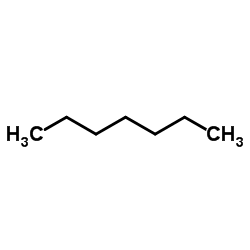
Heptane Structure Heptane
CAS:142-82-5