Materials Science and Engineering: C 2015-11-01

Biocide immobilized OMMT-carbon dot reduced Cu2O nanohybrid/hyperbranched epoxy nanocomposites: Mechanical, thermal, antimicrobial and optical properties.

Bibekananda De, Kuldeep Gupta, Manabendra Mandal, Niranjan Karak

Index: Mater. Sci. Eng. C. Mater. Biol. Appl. 56 , 74-83, (2015)

Full Text: HTML

Abstract

The present work demonstrated a transparent thermosetting nanocomposite with antimicrobial and photoluminescence attributes. The nanocomposites are fabricated by incorporation of different wt.% (1, 2 and 3) of a biocide immobilized OMMT-carbon dot reduced Cu2O nanohybrid (MITH-NH) in the hyperbranched epoxy matrix. MITH-NH is obtained by immobilization of 2-methyl-4-isothiazolin-3-one hydrochloride (MITH) at room temperature using sonication on OMMT-carbon dot reduced Cu2O nanohybid. The nanohybrid is prepared by reduction of cupric acetate using carbon dot as the reducing agent in the presence of OMMT at 70°C. The significant improvements in tensile strength (~2 fold), elongation at break (3 fold), toughness (4 fold) and initial thermal degradation temperature (30°C) of the pristine hyperbranched epoxy system are achieved by incorporation of 3wt.% of MITH-NH in it. The nanocomposites exhibit strong antimicrobial activity against Staphylococcus aureus, Bacillus subtilis, Klebsiella pneumoniae and Pseudomonas aeruginosa bacteria and Candida albicans, a fungus. The nanocomposite also shows significant activity against biofilm formation compared to the pristine thermoset. Further, the nanocomposite films emit different colors on exposure of different wavelengths of UV light. The properties of these nanocomposites are also compared with the same nanohybrid without OMMT. Copyright © 2015. Published by Elsevier B.V.

Related Compounds

Structure Name/CAS No. Articles
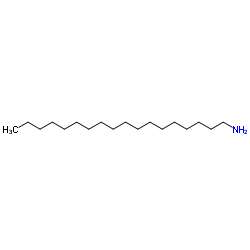
Octadecanamine Structure Octadecanamine
CAS:124-30-1
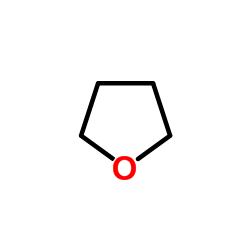
thf Structure thf
CAS:109-99-9
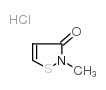
Methylisothiazolinone hydrochloride Structure Methylisothiazolinone hydrochloride
CAS:26172-54-3