Scientific reports 2015-01-01

Formation of highly toxic hydrogen cyanide upon ruby laser irradiation of the tattoo pigment phthalocyanine blue.

Ines Schreiver, Christoph Hutzler, Peter Laux, Hans-Peter Berlien, Andreas Luch

Index: Sci. Rep. 5 , 12915, (2015)

Full Text: HTML

Abstract

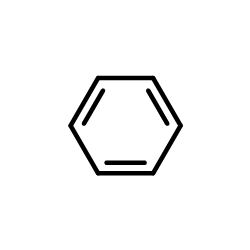
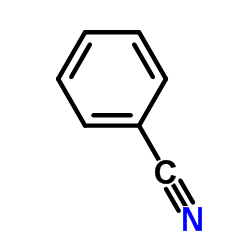
Since laser treatment of tattoos is the favored method for the removing of no longer wanted permanent skin paintings, analytical, biokinetics and toxicological data on the fragmentation pattern of commonly used pigments are urgently required for health safety reasons. Applying dynamic headspace-gas chromatography with mass spectrometric detection (DHS-GC/MS) and comprehensive two-dimensional gas chromatography coupled to time-of-flight mass spectrometry (GCxGC-ToF-MS), we identified 1,2-benzene dicarbonitrile, benzonitrile, benzene, and the poisonous gas hydrogen cyanide (HCN) as main fragmentation products emerging dose-dependently upon ruby laser irradiation of the popular blue pigment copper phthalocyanine in suspension. Skin cell viability was found to be significantly compromised at cyanide levels of ≥1 mM liberated during ruby laser irradiation of >1.5 mg/ml phthalocyanine blue. Further, for the first time we introduce pyrolysis-GC/MS as method suitable to simulate pigment fragmentation that may occur spontaneously or during laser removal of organic pigments in the living skin of tattooed people. According to the literature such regular tattoos hold up to 9 mg pigment/cm(2) skin.

Related Compounds

Structure Name/CAS No. Articles
Sodium hydroxide Structure Sodium hydroxide
CAS:1310-73-2
benzene Structure benzene
CAS:71-43-2
3-Ethyl-2,4-pentanedione Structure 3-Ethyl-2,4-pentanedione
CAS:1540-34-7
Benzonitrile Structure Benzonitrile
CAS:100-47-0
ethyl acetate Structure ethyl acetate
CAS:141-78-6
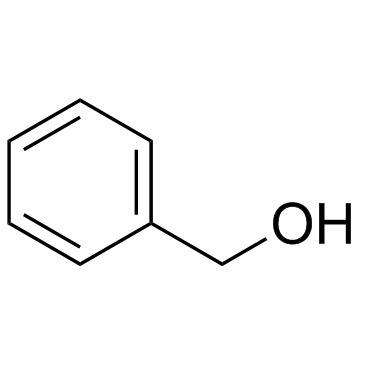
Benzyl alcohol Structure Benzyl alcohol
CAS:100-51-6
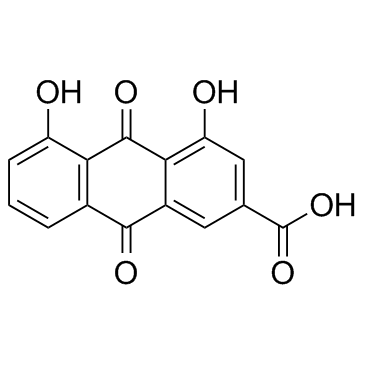
Rhein Structure Rhein
CAS:478-43-3