Journal of Biomedical Materials Research, Part A 2015-03-01

RGD-peptide modified alginate by a chemoenzymatic strategy for tissue engineering applications.

Ioanna Sandvig, Kristin Karstensen, Anne Mari Rokstad, Finn Lillelund Aachmann, Kjetil Formo, Axel Sandvig, Gudmund Skjåk-Bræk, Berit Løkensgard Strand

Index: J. Biomed. Mater. Res. A 103(3) , 896-906, (2015)

Full Text: HTML

Abstract

One of the main challenges in tissue engineering and regenerative medicine is the ability to maintain optimal cell function and survival post-transplantation. Biomaterials such as alginates are commonly used for immunoisolation, while they may also provide structural support to the cell transplants by mimicking the extracellular matrix. In this study, arginine-glycine-aspartate (RGD)-peptide-coupled alginates of tailored composition were produced by adopting a unique chemoenzymatic strategy for substituting the nongelling mannuronic acid on the alginate. Alginates with and without RGD were produced with high and low content of G. Using carbodiimide chemistry 0.1-0.2% of the sugar units were substituted by peptide. Furthermore, the characterization by (1)H-nuclear magnetic resonance (NMR) revealed by-products from the coupling reaction that partly could be removed by coal filtration. Olfactory ensheathing cells (OECs) and myoblasts were grown in two-dimensional (2D) and 3D cultures of RGD-peptide modified or unmodified alginates obtained by the chemoenzymatically strategy and compared to native alginate. Both OECs and myoblasts adhered to the RGD-peptide modified alginates in 2D cultures, forming bipolar protrusions. OEC encapsulation resulted in cell survival for up to 9 days, thus demonstrating the potential for short-term 3D culture. Myoblasts showed long-term survival in 3D cultures, that is, up to 41 days post encapsulation. The RGD modifications did not result in marked changes in cell viability in 3D cultures. We demonstrate herein a unique technique for tailoring peptide substituted alginates with a precise and flexible composition, conserving the gel forming properties relevant for the use of alginate in tissue engineering.© 2014 Wiley Periodicals, Inc.

Related Compounds

Structure Name/CAS No. Articles
1-(3-Dimethylaminopropyl)-3-ethylcarbodiimide hydrochloride Structure 1-(3-Dimethylaminopropyl)-3-ethylcarbodiimide hydrochloride
CAS:25952-53-8
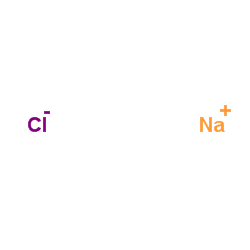
sodium chloride Structure sodium chloride
CAS:7647-14-5
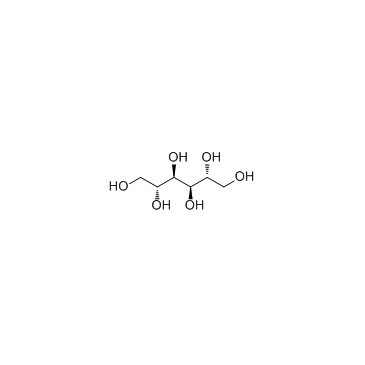
D-Mannitol Structure D-Mannitol
CAS:69-65-8
dichloroethane Structure dichloroethane
CAS:107-06-2
Forskolin Structure Forskolin
CAS:66575-29-9
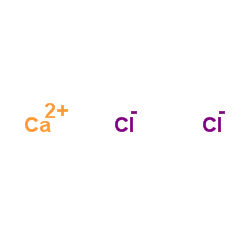
Calcium chloride Structure Calcium chloride
CAS:10043-52-4
SODIUM CHLORIDE-35 CL Structure SODIUM CHLORIDE-35 CL
CAS:20510-55-8
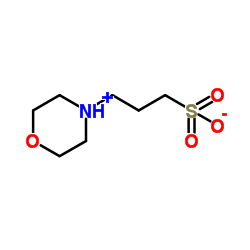
MOPS Structure MOPS
CAS:1132-61-2
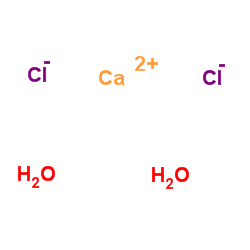
calcium chloride dihydrate Structure calcium chloride dihydrate
CAS:10035-04-8
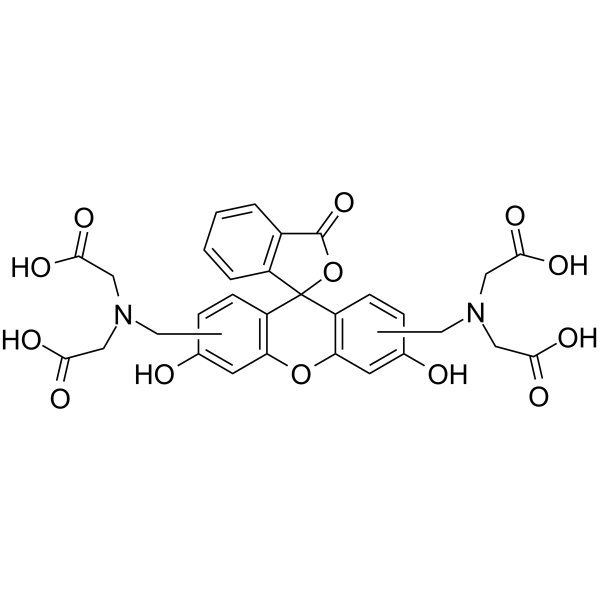
Calcein (mixture of isomers) Structure Calcein (mixture of isomers)
CAS:154071-48-4