International Journal of Mass Spectrometry 2015-05-01

In-Depth Analyses of B Cell Signaling Through Tandem Mass Spectrometry of Phosphopeptides Enriched by PolyMAC.

Anton Iliuk, Keerthi Jayasundera, Wen-Horng Wang, Rachel Schluttenhofer, RobertL Geahlen, WAndy Tao

Index: Int. J. Mass Spectrom. 377 , 744-753, (2015)

Full Text: HTML

Abstract

Tandem mass spectrometry (MS/MS) has enabled researchers to analyze complex biological samples since the original concept inception. It facilitates the identification and quantification of modifications within tens of thousands of proteins in a single large-scale proteomic experiment. Phosphorylation analysis, as one of the most common and important post-translational modifications, has particularly benefited from such progress in the field. Here we showcase the technique through in-depth analyses of B cell signaling based on quantitative phosphoproteomics. As a complement to the previously described PolyMAC-Ti (polymer-based metal ion affinity capture using titanium) reagent, we introduce here PolyMAC-Fe, which utilizes a different metal ion, Fe(III). An extensive comparison using the different available MS/MS fragmentations techniques was made between PolyMAC-Fe, PolyMAC-Ti and IMAC (immobilized metal ion affinity chromatography) reagents in terms of specificity, reproducibility and type of phosphopeptides being enriched. PolyMAC-Fe based chelation demonstrated good selectivity and unique specificity toward phosphopeptides, making it useful in specialized applications. We have combined PolyMAC-Ti and PolyMAC-Fe, along with SILAC-based quantitation and large-scale fractionation, for quantitative B cell phosphoproteomic analyses. The complementary approach allowed us to identify a larger percentage of multiply phosphorylated peptides than with PolyMAC-Ti alone. Overall, out of 13,794 unique phosphorylation sites identified, close to 20% were dependent on BCR signaling. These sites were further mapped to a variety of major signaling networks, offering more detailed information about the biochemistry of B cell receptor engagement.

Related Compounds

Structure Name/CAS No. Articles
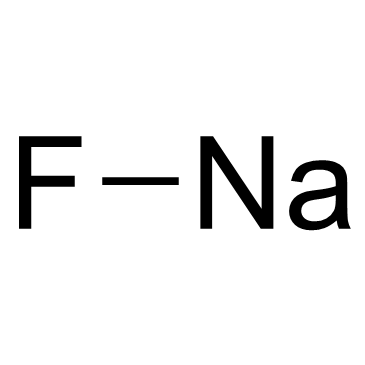
Sodium Fluoride Structure Sodium Fluoride
CAS:7681-49-4
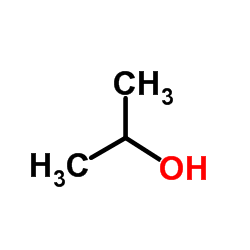
Isopropanol Structure Isopropanol
CAS:67-63-0
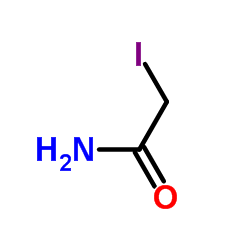
Iodoacetamide Structure Iodoacetamide
CAS:144-48-9
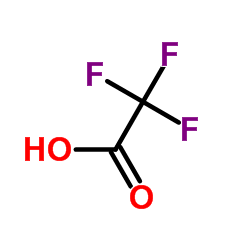
trifluoroacetic acid Structure trifluoroacetic acid
CAS:76-05-1
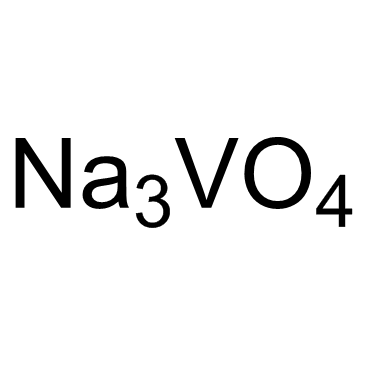
Sodium orthovanadate Structure Sodium orthovanadate
CAS:13721-39-6
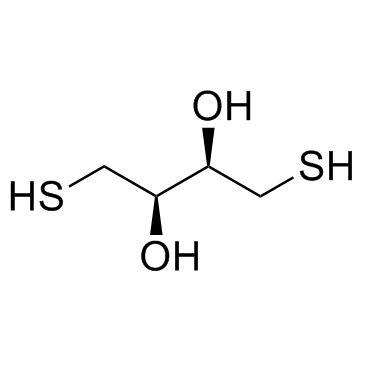
DL-Dithiothreitol Structure DL-Dithiothreitol
CAS:3483-12-3
Trimethylammonium bicarbonate buffer Structure Trimethylammonium bicarbonate buffer
CAS:34408-21-4