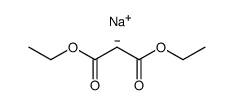
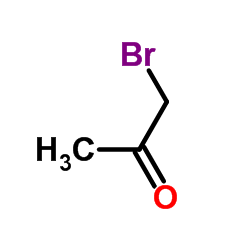
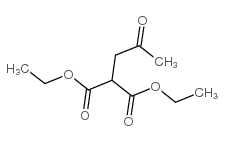
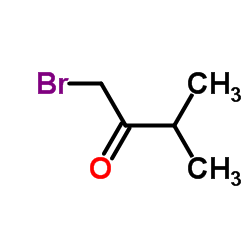
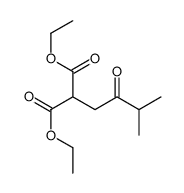
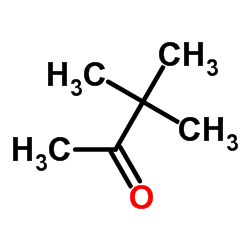
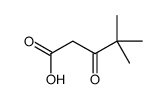
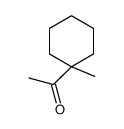
(6c), and 1-acetyl-1-bromocyclopentane (6d) with 2 also gave the corresponding cyclopropanols 9b-d in 42-56% yields. On the contrary, the a-halo ketones (6f-1) possessing a primary or secondary carbon atom at the a position afforded the SN~ products 1Of-1. The behavior of 3-chloro-3-methyl-2-butanone (60) was quite different from that of its bromo homologue 6a, giving a mixture (16: 4539) of 9a, 1, l-bis [bis (ethoxycarbonyl) methyl]-2, 2- ...
![1-[Bis(ethoxycarbonyl)methyl]-2,2-dimethylcyclopropanol结构式](https://image.chemsrc.com/caspic/251/77320-47-9.png)