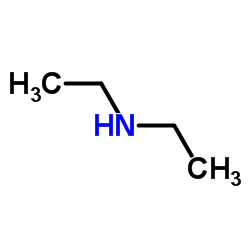
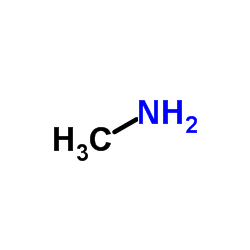
17-N,N-diethylcarbamoyl-4-methyl-4-azaandrostane-3-one
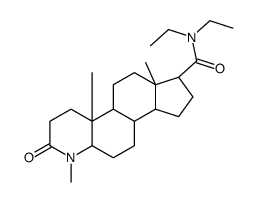
17-N,N-diethylcarbamoyl-4-methyl-4-azaandrostane-3-one structure
|
Common Name | 17-N,N-diethylcarbamoyl-4-methyl-4-azaandrostane-3-one | ||
|---|---|---|---|---|
| CAS Number | 73671-86-0 | Molecular Weight | 388.59 | |
| Density | 1.051g/cm3 | Boiling Point | 528.3ºC at 760 mmHg | |
| Molecular Formula | C24H40N2O2 | Melting Point | N/A | |
| MSDS | N/A | Flash Point | 209.8ºC | |
Use of 17-N,N-diethylcarbamoyl-4-methyl-4-azaandrostane-3-oneDMAA is an indirect sympathomimetic amine. DMAA constricts blood vessels and raises blood pressure. DMAA can be used for neurological and cardiovascular disease research[1][2]. |
| Name | (7S,11aR)-N,N-Diethyl-1,4a,6a-trimethyl-2-oxohexadecahydro-1H-ind eno[5,4-f]quinoline-7-carboxamide |
|---|
| Description | DMAA is an indirect sympathomimetic amine. DMAA constricts blood vessels and raises blood pressure. DMAA can be used for neurological and cardiovascular disease research[1][2]. |
|---|---|
| Related Catalog | |
| References |
[1]. Rodricks JV, et al. DMAA as a dietary ingredient. JAMA Intern Med. 2013 Apr 8;173(7):594-5. |
| Density | 1.051g/cm3 |
|---|---|
| Boiling Point | 528.3ºC at 760 mmHg |
| Molecular Formula | C24H40N2O2 |
| Molecular Weight | 388.59 |
| Flash Point | 209.8ºC |
| Exact Mass | 388.30900 |
| PSA | 40.62000 |
| LogP | 4.27230 |
| Index of Refraction | 1.519 |
| InChIKey | GNWBLLYJQXKPIP-ZOGIJGBBSA-N |
| SMILES | CCN(CC)C(=O)C1CCC2C3CCC4N(C)C(=O)CCC4(C)C3CCC12C |
CHEMICAL IDENTIFICATION
HEALTH HAZARD DATAACUTE TOXICITY DATA
|
|
~96%
17-N,N-diethylc... CAS#:73671-86-0 |
| Literature: Rasmusson, Gary H.; Reynolds, Glenn F.; Utne, Torleif; Jobson, Ronald B.; Primka, Raymond L.; et al. Journal of Medicinal Chemistry, 1984 , vol. 27, # 12 p. 1690 - 1701 |
|
~%
17-N,N-diethylc... CAS#:73671-86-0 |
| Literature: Merck and Co., Inc. Patent: US4220775 A1, 1980 ; |
|
~%
17-N,N-diethylc... CAS#:73671-86-0 |
| Literature: Rasmusson, Gary H.; Reynolds, Glenn F.; Utne, Torleif; Jobson, Ronald B.; Primka, Raymond L.; et al. Journal of Medicinal Chemistry, 1984 , vol. 27, # 12 p. 1690 - 1701 |
|
~%
17-N,N-diethylc... CAS#:73671-86-0 |
| Literature: Rasmusson, Gary H.; Reynolds, Glenn F.; Utne, Torleif; Jobson, Ronald B.; Primka, Raymond L.; et al. Journal of Medicinal Chemistry, 1984 , vol. 27, # 12 p. 1690 - 1701 |
|
~%
17-N,N-diethylc... CAS#:73671-86-0 |
| Literature: Rasmusson, Gary H.; Reynolds, Glenn F.; Utne, Torleif; Jobson, Ronald B.; Primka, Raymond L.; et al. Journal of Medicinal Chemistry, 1984 , vol. 27, # 12 p. 1690 - 1701 |
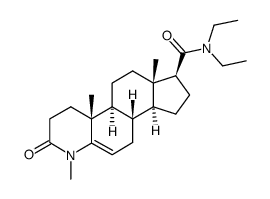


![(4aR,4bS,6aS,7S,9aS,9bS,11aR)-1,4a,6a-trimethyl-2-oxohexadecahydro-1H-indeno[5,4-f]quinoline-7-carbonyl chloride structure](https://image.chemsrc.com/caspic/425/76763-18-3.png)