Tetraammineplatinum tetrachloroplatinate
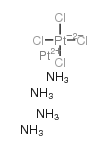
Tetraammineplatinum tetrachloroplatinate structure
|
Common Name | Tetraammineplatinum tetrachloroplatinate | ||
|---|---|---|---|---|
| CAS Number | 13820-46-7 | Molecular Weight | 600.09000 | |
| Density | N/A | Boiling Point | N/A | |
| Molecular Formula | Cl4H12N4Pt2 | Melting Point | 320ºC (dec.)(lit.) | |
| MSDS | N/A | Flash Point | N/A | |
This table lists Chinese names, IUPAC names and various aliases of this chemical substance.
| Name | tetraammineplatinum(ii) tetrachloro |
|---|---|
| Synonym | More Synonyms |
This table shows physicochemical parameters including melting point, boiling point, density, solubility and optical rotation. Missing data is marked as N/A.
| Melting Point | 320ºC (dec.)(lit.) |
|---|---|
| Molecular Formula | Cl4H12N4Pt2 |
| Molecular Weight | 600.09000 |
| Exact Mass | 597.91100 |
| PSA | 12.96000 |
| LogP | 4.04860 |
This table provides MSDS information including hazard classification, first‑aid, fire‑fighting, spill handling, operation and storage instructions.
|
Section 1: Product Identification Chemical Name:Tetraammineplatinum (II) tetrachloroplatinate (II), 99% CAS Registry Number:13820-46-7 Formula:[Pt(NH3)4][PtCl4] EINECS Number:237-501-0 Chemical Family:metal-ammine complexes Synonym:Platinum (II) tetraammine tetrachloroplatinate (II)
Section 2: Composition and Information on Ingredients IngredientCAS NumberPercentACGIH (TWA)OSHA (PEL) Title Compound13820-46-7100%1mg/m3(as-Pt)no data Section 3: Hazards Identification Emergency Overview:Irritating to skin, eyes and respiratory tract. May cause sensitization by skin contact. Primary Routes of Exposure:Ingestion, inhalation, skin Eye Contact:Causes mild to moderate irritation of the eyes. Skin Contact:Causes slight to mild irritation of the skin. May cause sensitization by skin contact. Inhalation:Irritating to the nose, mucous membranes and respiratory tract. Ingestion:Ingestion may lead to dizziness, abdominal cramps, vomiting, bloody diarrhea, weakness, and convulsions. Irritating to skin, eyes and respiratory tract. Exposure to platinum compounds may lead to wheezing, coughing, Acute Health Affects: and running of the nose. Skin exposure may lead to dermatitis. Chronic Health Affects:No information available on long-term chronic effects. NTP:No IARC:No OSHA:No SECTION 4: First Aid Measures Immediately flush the eyes with copious amounts of water for at least 10-15 minutes. A victim may need Eye Exposure: assistance in keeping their eye lids open. Get immediate medical attention. Wash the affected area with water. Remove contaminated clothes if necessary. Seek medical assistance if Skin Exposure: irritation persists. Remove the victim to fresh air. Closely monitor the victim for signs of respiratory problems, such as difficulty Inhalation: in breathing, coughing, wheezing, or pain. In such cases seek immediate medical assistance. Seek medical attention immediately. Keep the victim calm. Give the victim water (only if conscious). Induce Ingestion: vomiting only if directed by medical personnel. SECTION 5: Fire Fighting Measures Flash Point:not applicable Autoignition Temperature:none Explosion Limits:none Extinguishing Medium:carbon dioxide, foam or dry powder If this product is involved in a fire, fire fighters should be equipped with a NIOSH approved positive pressure Special Fire Fighting Procedures: self- contained breathing apparatus and full protective clothing. Hazardous Combustion andIf involved in a fire this material may emit toxic and corrosive fumes. Decomposion Products: Unusual Fire or Explosion Hazards: No unusual fire or explosion hazards. SECTION 6: Accidental Release Measures Small spills can be mixed with vermiculite, sodium carbonate or other suitable non combustible adsorbent and Spill and Leak Procedures: swept up. SECTION 7: Handling and Storage Handling and Storage:Store in a cool, dry place in a tightly sealed container. SECTION 8: Exposure Controls and Personal Protection Eye Protection:Always wear approved safety glasses when handling a chemical substance in the laboratory. Skin Protection:Wear protective clothing and gloves. Ventilation:To minimize exposure, handle the material in an efficient fume hood. If ventilation is not available a respirator should be worn. The use of respirators requires a Respirator Respirator: Protection Program to be in compliance with 29 CFR 1910.134. Ventilation:To minimize exposure, handle the material in an efficient fume hood. Additional Protection:No additional protection required. SECTION 9: Physical and Chemical Properties Color and Form:green pwdr. Molecular Weight:600.12 Melting Point:no data Boiling Point:no data Vapor Pressure:no data Specific Gravity:no data Odor:none Solubility in Water:insoluble SECTION 10: Stability and Reactivity Stability:air and moisture stable Hazardous Polymerization:no hazardous polymerization Conditions to Avoid:none Incompatibility:active metals Decomposition Products:ammonium chloride, nitrogen oxides, and platinum salts. SECTION 11: Toxicological Information RTECS Data:No information available in the RTECS files. Carcinogenic Effects:No data Mutagenic Effects:No data Tetratogenic Effects:No data SECTION 12: Ecological Information Ecological Information:No information available SECTION 13: Disposal Considerations Disposal:Dispose of according to local, state and federal regulations. SECTION 14: Transportation Shipping Name (CFR):Non-hazardous Hazard Class (CFR):NA Additional Hazard Class (CFR):NA Packaging Group (CFR):NA UN ID Number (CFR):NA Shipping Name (IATA):Non-hazardous Hazard Class (IATA):NA Additional Hazard Class (IATA):NA Packaging Group (IATA):NA UN ID Number (IATA):NA SECTION 15: Regulatory Information TSCA:Listed in the TSCA inventory. SARA (Title 313):Not regulated by Title 313. Second Ingredient:None SECTION 16 - ADDITIONAL INFORMATION N/A |
This table covers safety warnings, protective measures, incompatible substances and disposal guidelines for this compound.
| Hazard Codes | T: Toxic; |
|---|---|
| Risk Phrases | R25 |
| Safety Phrases | 22-26-36/37/39-45 |
| RIDADR | UN 3288 6.1/PG 3 |
This table presents publicly reported synthetic routes, reaction conditions, reactants and product information of the compound.
|
~%
Tetraammineplat... CAS#:13820-46-7 |
| Literature: C. r. URSS, , vol. 54, p. 697 - 699 Doklady, , vol. 54, p. 701 - 704 |
|
~%
Tetraammineplat... CAS#:13820-46-7 |
| Literature: American Chemical Journal, , vol. 3, p. 350 - 351 |
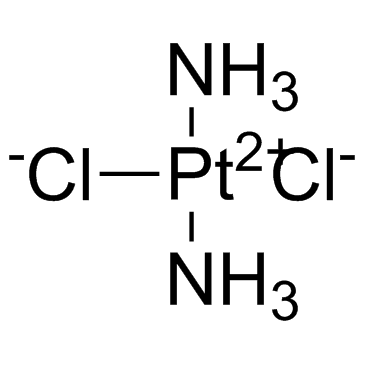
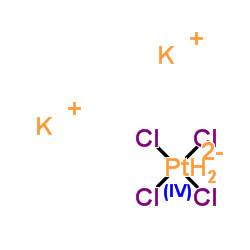
This table lists upstream starting materials and downstream derivative products related to this chemical.
| Precursor 3 | |
|---|---|
| DownStream 2 | |
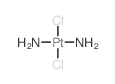 CAS#:26035-31-4
 CAS#:7440-06-4
This table collects all English aliases, systematic names and CAS‑related synonyms of the compound.
| tetraammineplatinum tetrachloroplatinate |
| MFCD01459899 |
| {Pta4}{PtCl4} [Pt(NH3)4][PtCl4],green |
| Tetraammineplatinous tetrachloroplatinate |
| tetraammine-platinum(2++(sp-4-1)-platinum(2++(sp-4-1)-tetrachloroplatinate(2-)(1:1) |
| EINECS 237-501-0 |
| Tetrammin-platin(II)-tetrachloro-platinat(II) |
| tetraammine-platinum(II) tetrachloro-platinate(II) |
| Platinum(2+),tetraammine-,(sp-4-1)-,(sp-4-1)-tetrachloroplatinate(2-) (1:1) |
| Magnus green salt |
| Tetrammineplatinum(ii) tetrachloroplatinate(ii) |
| {Pta4}{PtCl4} |
This section contains frequently‑asked‑questions about this compound, including basic parameters, properties, storage conditions and corresponding answers.
| Q: What is the CAS number of tetraammineplatinum(ii) tetrachloro? |
| A: CAS number of tetraammineplatinum(ii) tetrachloro is 13820-46-7. |
| Q: What is the English name of tetraammineplatinum(ii) tetrachloro? |
| A: The English name of tetraammineplatinum(ii) tetrachloro is tetraammineplatinum(ii) tetrachloro. |
| Q: What is the safety information for tetraammineplatinum(ii) tetrachloro? |
| A: Safety information for tetraammineplatinum(ii) tetrachloro: 22-26-36/37/39-45. |
| Q: What is the polar surface area (PSA) of tetraammineplatinum(ii) tetrachloro? |
| A: Polar surface area (PSA) of tetraammineplatinum(ii) tetrachloro is 12.96000. |
| Q: What are the upstream materials of tetraammineplatinum(ii) tetrachloro? |
| A: Related upstream materials(CAS) of tetraammineplatinum(ii) tetrachloro: 15663-27-1;10025-99-7;7664-41-7. |
| Q: What is the molecular weight of tetraammineplatinum(ii) tetrachloro? |
| A: Molecular weight of tetraammineplatinum(ii) tetrachloro is 600.09000. |
| Q: What is the melting point of tetraammineplatinum(ii) tetrachloro? |
| A: Melting point of tetraammineplatinum(ii) tetrachloro is 320ºC (dec.)(lit.). |
| Q: What is the LogP of tetraammineplatinum(ii) tetrachloro? |
| A: LogP of tetraammineplatinum(ii) tetrachloro is 4.04860. |
| Q: What are the downstream products of tetraammineplatinum(ii) tetrachloro? |
| A: Related downstream products(CAS) of tetraammineplatinum(ii) tetrachloro: 26035-31-4;7440-06-4. |
| Q: What is the molecular formula of tetraammineplatinum(ii) tetrachloro? |
| A: Molecular formula of tetraammineplatinum(ii) tetrachloro is Cl4H12N4Pt2. |
This table lists manufacturers and suppliers of this compound, including vendor names and product supply reference information.
| Shanghai Nianxing Industrial Co., Ltd |