N-Acetyl-L-tyrosine
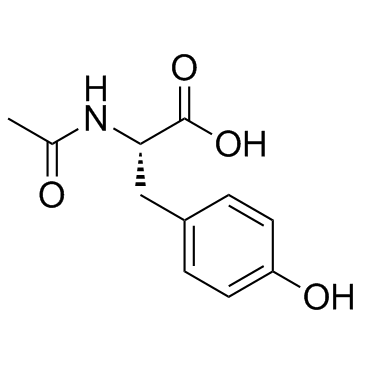
N-Acetyl-L-tyrosine structure
|
Common Name | N-Acetyl-L-tyrosine | ||
|---|---|---|---|---|
| CAS Number | 537-55-3 | Molecular Weight | 223.225 | |
| Density | 1.3±0.1 g/cm3 | Boiling Point | 531.3±45.0 °C at 760 mmHg | |
| Molecular Formula | C11H13NO4 | Melting Point | 149-152 °C(lit.) | |
| MSDS | Chinese USA | Flash Point | 275.1±28.7 °C | |
| Symbol |

GHS05 |
Signal Word | Danger | |
Use of N-Acetyl-L-tyrosineN-Acetyl-L-tyrosine originates from tyrosine through an AA acetylase, is associated with aromatic L-amino acid decarboxylase deficiency and tyrosinemia I. |
This table lists Chinese names, IUPAC names and various aliases of this chemical substance.
| Name | N-acetyl-L-tyrosine |
|---|---|
| Synonym | More Synonyms |
This table contains bioactivity, target information and biological‑assay experimental data of this compound.
| Description | N-Acetyl-L-tyrosine originates from tyrosine through an AA acetylase, is associated with aromatic L-amino acid decarboxylase deficiency and tyrosinemia I. |
|---|---|
| Related Catalog | |
| Target |
Human Endogenous Metabolite |
| References |
This table shows physicochemical parameters including melting point, boiling point, density, solubility and optical rotation. Missing data is marked as N/A.
| Density | 1.3±0.1 g/cm3 |
|---|---|
| Boiling Point | 531.3±45.0 °C at 760 mmHg |
| Melting Point | 149-152 °C(lit.) |
| Molecular Formula | C11H13NO4 |
| Molecular Weight | 223.225 |
| Flash Point | 275.1±28.7 °C |
| Exact Mass | 223.084457 |
| PSA | 86.63000 |
| LogP | 0.04 |
| Vapour Pressure | 0.0±1.5 mmHg at 25°C |
| Index of Refraction | 1.577 |
| InChIKey | CAHKINHBCWCHCF-JTQLQIEISA-N |
| SMILES | CC(=O)NC(Cc1ccc(O)cc1)C(=O)O |
| Storage condition | 2-8°C |
This table provides MSDS information including hazard classification, first‑aid, fire‑fighting, spill handling, operation and storage instructions.
This table covers safety warnings, protective measures, incompatible substances and disposal guidelines for this compound.
| Symbol |
GHS05 |
|---|---|
| Signal Word | Danger |
| Hazard Statements | H318 |
| Precautionary Statements | P280-P305 + P351 + P338 + P310 |
| Personal Protective Equipment | Eyeshields;Gloves;type N95 (US);type P1 (EN143) respirator filter |
| Hazard Codes | Xi:Irritant |
| Risk Phrases | R41 |
| Safety Phrases | S26-S39 |
| RIDADR | NONH for all modes of transport |
| WGK Germany | 3 |
| HS Code | 2924299090 |
This table lists upstream starting materials and downstream derivative products related to this chemical.
| Precursor 10 | |
|---|---|
| DownStream 9 | |
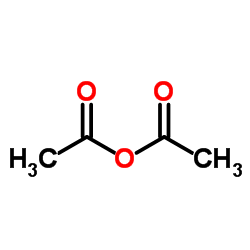 CAS#:108-24-7
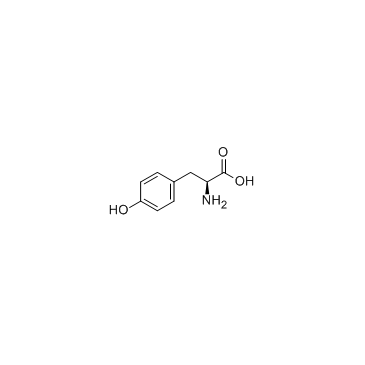 CAS#:60-18-4
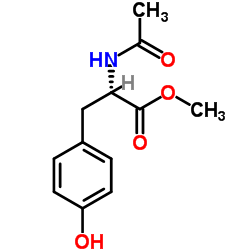 CAS#:2440-79-1
 CAS#:64896-33-9
 CAS#:38243-39-9
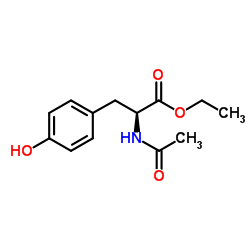 CAS#:840-97-1
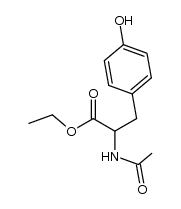 CAS#:30697-69-9
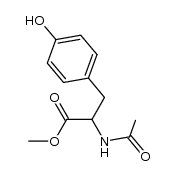 CAS#:23525-90-8
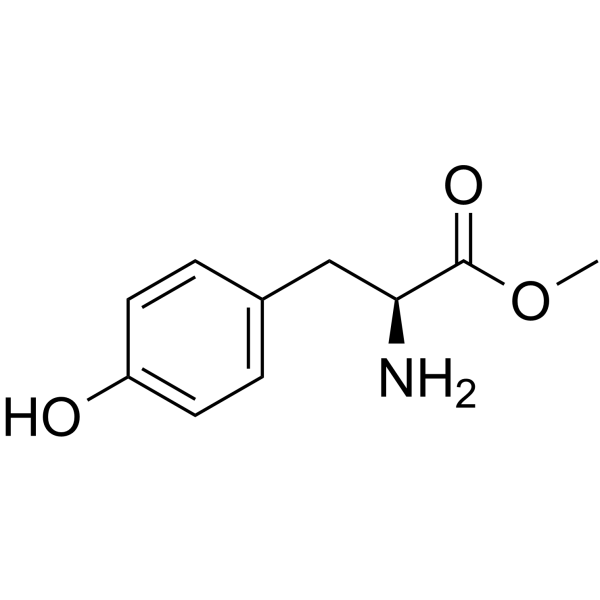 CAS#:1080-06-4
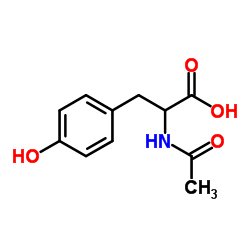 CAS#:2901-77-1
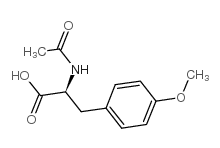 CAS#:28047-05-4
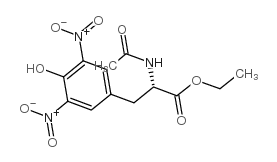 CAS#:29358-99-4
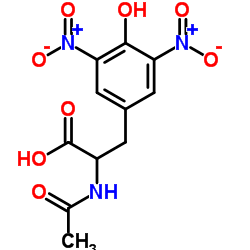 CAS#:20767-00-4
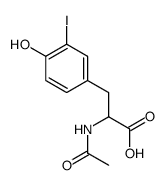 CAS#:1023-47-8
 CAS#:1027-28-7
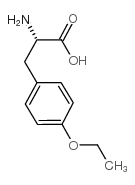 CAS#:32795-52-1
This table shows customs‑related data including HS‑code, tariff and regulatory conditions for import and export.
| HS Code | 2924299090 |
|---|---|
| Summary | 2924299090. other cyclic amides (including cyclic carbamates) and their derivatives; salts thereof. VAT:17.0%. Tax rebate rate:13.0%. . MFN tariff:6.5%. General tariff:30.0% |
This table lists relevant public references with title, journal and publication metadata for this compound.
|
Surfactants, aromatic and isoprenoid compounds, and fatty acid biosynthesis inhibitors suppress Staphylococcus aureus production of toxic shock syndrome toxin 1.
Antimicrob. Agents Chemother. 53 , 1898-906, (2009) Menstrual toxic shock syndrome is a rare but potentially life-threatening illness manifest through the actions of Staphylococcus aureus toxic shock syndrome toxin 1 (TSST-1). Previous studies have sho... |
|
|
Detection of autosomal dominant polycystic kidney disease by NMR spectroscopic fingerprinting of urine.
Kidney Int. 79(11) , 1244-53, (2011) Autosomal dominant polycystic kidney disease (ADPKD) is a frequent cause of kidney failure; however, urinary biomarkers for the disease are lacking. In a step towards identifying such markers, we used... |
|
|
Newborn screening for congenital adrenal hyperplasia: additional steroid profile using liquid chromatography-tandem mass spectrometry.
J. Clin. Endocrinol. Metab. 92(7) , 2581-9, (2007) Neonatal screening programs for congenital adrenal hyperplasia (21-CAH) using an immunoassay for 17alpha-hydroxyprogesterone (17-OHP) generate a high rate of positive results attributable to physiolog... |
This table contains target information, in‑vitro & in‑vivo assay data for this compound.
This table collects all English aliases, systematic names and CAS‑related synonyms of the compound.
| (2S)-2-(acetylamino)-3-(4-hydroxyphenyl)propanoic acid |
| Ac-L-Tyr-OH |
| acetyl tyrosine |
| N-AC-L-TYR |
| (2S)-2-acetamido-3-(4-hydroxyphenyl)propanoic acid |
| N-Ac-Tyr |
| EINECS 208-671-3 |
| n-acetyl-l-tyrosin |
| AC-TYR-OH |
| N-Acetyltyrosine |
| N-acetyl-L-Tyr |
| Ac-L-Tyrosine |
| A-L-Tyr-OH |
| AC-TYROSINE |
| (2S)-2-Acetylamino-3-(4-hydroxyphenyl)propanoic acid |
| L-N-acetyl-Tyrosine |
| N-Acetyl-L-tyrosine |
| ACETYL-L-TYROSINE |
| N-ACEYL-L-TYROSINE |
| MFCD00037190 |
This section contains frequently‑asked‑questions about this compound, including basic parameters, properties, storage conditions and corresponding answers.
| Q: What is the safety information for N-acetyl-L-tyrosine? |
| A: Safety information for N-acetyl-L-tyrosine: S26-S39. |
| Q: What is the English name of N-acetyl-L-tyrosine? |
| A: The English name of N-acetyl-L-tyrosine is N-acetyl-L-tyrosine. |
| Q: What are the downstream products of N-acetyl-L-tyrosine? |
| A: Related downstream products(CAS) of N-acetyl-L-tyrosine: 60-18-4;28047-05-4;29358-99-4;20767-00-4;840-97-1;1023-47-8;1027-28-7;32795-52-1;2440-79-1. |
| Q: What is the melting point of N-acetyl-L-tyrosine? |
| A: Melting point of N-acetyl-L-tyrosine is 149-152 °C(lit.). |
| Q: What English synonyms does N-acetyl-L-tyrosine have? |
| A: English synonyms of N-acetyl-L-tyrosine: (2S)-2-(acetylamino)-3-(4-hydroxyphenyl)propanoic acid, Ac-L-Tyr-OH, acetyl tyrosine, N-AC-L-TYR, (2S)-2-acetamido-3-(4-hydroxyphenyl)propanoic acid, N-Ac-Tyr, EINECS 208-671-3, n-acetyl-l-tyrosin, AC-TYR-OH, N-Acetyltyrosine, N-acetyl-L-Tyr, Ac-L-Tyrosine, A-L-Tyr-OH, AC-TYROSINE, (2S)-2-Acetylamino-3-(4-hydroxyphenyl)propanoic acid, L-N-acetyl-Tyrosine, N-Acetyl-L-tyrosine, ACETYL-L-TYROSINE, N-ACEYL-L-TYROSINE, MFCD00037190. |
| Q: What are the upstream materials of N-acetyl-L-tyrosine? |
| A: Related upstream materials(CAS) of N-acetyl-L-tyrosine: 108-24-7;60-18-4;2440-79-1;64896-33-9;38243-39-9;840-97-1;30697-69-9;23525-90-8;1080-06-4;2901-77-1. |
| Q: What is the CAS number of N-acetyl-L-tyrosine? |
| A: CAS number of N-acetyl-L-tyrosine is 537-55-3. |
| Q: What are the storage conditions for N-acetyl-L-tyrosine? |
| A: Storage conditions for N-acetyl-L-tyrosine: 2-8°C. |
| Q: What is the LogP of N-acetyl-L-tyrosine? |
| A: LogP of N-acetyl-L-tyrosine is 0.04. |
| Q: What is the molecular weight of N-acetyl-L-tyrosine? |
| A: Molecular weight of N-acetyl-L-tyrosine is 223.225. |
This table lists manufacturers and suppliers of this compound, including vendor names and product supply reference information.
| Shanghai Nianxing Industrial Co., Ltd |
| Dayang Chem (Hangzhou) Co., Ltd. |
| Henan Tianfu Chemical Co., Ltd. |
| Zhongshan Xingrui Chemical Co. , Ltd. |
The content on this webpage is sourced from various professional data sources. If you have any questions or concerns regarding the content, please feel free to contact service1@chemsrc.com.
- Shanghai Nianxing Industrial Co., Ltd
- China
- Product Name: N-Acetyl-L-tyrosine
- Price: Check
- Purity: 99.0%
- Delivery: 10 Day
- Contact: Yang
- Email: sales@echemcloud.com
- Dayang Chem (Hangzhou) Co., Ltd.
- China
- Product Name: N-Acetyl-L-tyrosine
- Price: $Inquiry/100g $Inquiry/1kg $Inquiry/100kg $Inquiry/1000kg
- Purity: 98.0%
- Delivery: Inquiry
- Contact: Ms Wang
- Email: enquiry@dycnchem.com
- Henan Tianfu Chemical Co., Ltd.
- China
- Product Name: N-Acetyl-L-Tyrosine
- Price: $Inquiry/1kg $Inquiry/25kg $Inquiry/1000kg $Inquiry/10ton
- Purity: 99.0%
- Delivery: Inquiry
- Contact: Anson
- Email: info@tianfuchem.com
- Zhongshan Xingrui Chemical Co. , Ltd.
- China
- Product Name: N-Acetyl-L-tyrosine
- Price: ¥Inquiry/25kg
- Purity: 99.0%
- Delivery: Inquiry
- Contact: Wang Jie

- Email: 3096638339@qq.com
Get all suppliers and price by the below link:
Reference only. check more N-Acetyl-L-tyrosine price