Studying arrhythmogenic right ventricular dysplasia with patient-specific iPSCs.
Changsung Kim, Johnson Wong, Jianyan Wen, Shirong Wang, Cheng Wang, Sean Spiering, Natalia G Kan, Sonia Forcales, Pier Lorenzo Puri, Teresa C Leone, Joseph E Marine, Hugh Calkins, Daniel P Kelly, Daniel P Judge, Huei-Sheng Vincent Chen
Index: Nature 494 , 105-10, (2013)
Full Text: HTML
Abstract
Cellular reprogramming of somatic cells to patient-specific induced pluripotent stem cells (iPSCs) enables in vitro modelling of human genetic disorders for pathogenic investigations and therapeutic screens. However, using iPSC-derived cardiomyocytes (iPSC-CMs) to model an adult-onset heart disease remains challenging owing to the uncertainty regarding the ability of relatively immature iPSC-CMs to fully recapitulate adult disease phenotypes. Arrhythmogenic right ventricular dysplasia/cardiomyopathy (ARVD/C) is an inherited heart disease characterized by pathological fatty infiltration and cardiomyocyte loss predominantly in the right ventricle, which is associated with life-threatening ventricular arrhythmias. Over 50% of affected individuals have desmosome gene mutations, most commonly in PKP2, encoding plakophilin-2 (ref. 9). The median age at presentation of ARVD/C is 26 years. We used previously published methods to generate iPSC lines from fibroblasts of two patients with ARVD/C and PKP2 mutations. Mutant PKP2 iPSC-CMs demonstrate abnormal plakoglobin nuclear translocation and decreased β-catenin activity in cardiogenic conditions; yet, these abnormal features are insufficient to reproduce the pathological phenotypes of ARVD/C in standard cardiogenic conditions. Here we show that induction of adult-like metabolic energetics from an embryonic/glycolytic state and abnormal peroxisome proliferator-activated receptor gamma (PPAR-γ) activation underlie the pathogenesis of ARVD/C. By co-activating normal PPAR-alpha-dependent metabolism and abnormal PPAR-γ pathway in beating embryoid bodies (EBs) with defined media, we established an efficient ARVD/C in vitro model within 2 months. This model manifests exaggerated lipogenesis and apoptosis in mutant PKP2 iPSC-CMs. iPSC-CMs with a homozygous PKP2 mutation also had calcium-handling deficits. Our study is the first to demonstrate that induction of adult-like metabolism has a critical role in establishing an adult-onset disease model using patient-specific iPSCs. Using this model, we revealed crucial pathogenic insights that metabolic derangement in adult-like metabolic milieu underlies ARVD/C pathologies, enabling us to propose novel disease-modifying therapeutic strategies.
Related Compounds
| Structure | Name/CAS No. | Molecular Formula | Articles |
|---|---|---|---|
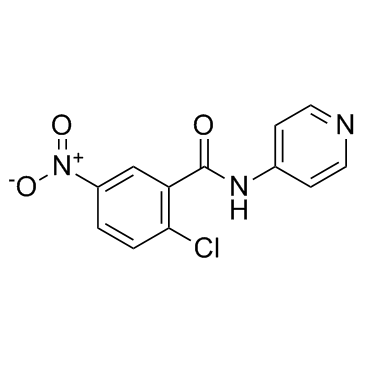 |
T0070907
CAS:313516-66-4 |
C12H8ClN3O3 |
|
A Sativex(®) -like combination of phytocannabinoids as a dis...
2015-07-01 [Br. J. Pharmacol. 172 , 3579-95, (2015)] |
|
Cyclohexane-1,2-dicarboxylic acid diisononyl ester and metab...
2015-07-01 [Environ. Res. 140 , 145-56, (2015)] |
|
Bioenergetic programming of macrophages by the apolipoprotei...
2015-05-01 [Biochem. J. 467(3) , 517-27, (2015)] |
|
Neurorestoration after traumatic brain injury through angiot...
2015-11-01 [Brain 138 , 3299-315, (2015)] |
|
Pharmacological evaluation of the mechanisms involved in inc...
2016-03-01 [Toxicol. Appl. Pharmacol. 294 , 32-42, (2016)] |