PLoS ONE 2012-01-01

A synthetic chloride channel restores chloride conductance in human cystic fibrosis epithelial cells.

Bing Shen, Xiang Li, Fei Wang, Xiaoqiang Yao, Dan Yang

Index: PLoS ONE 7(4) , e34694, (2012)

Full Text: HTML

Abstract

Mutations in the gene-encoding cystic fibrosis transmembrane conductance regulator (CFTR) cause defective transepithelial transport of chloride (Cl(-)) ions and fluid, thereby becoming responsible for the onset of cystic fibrosis (CF). One strategy to reduce the pathophysiology associated with CF is to increase Cl(-) transport through alternative pathways. In this paper, we demonstrate that a small synthetic molecule which forms Cl(-) channels to mediate Cl(-) transport across lipid bilayer membranes is capable of restoring Cl(-) permeability in human CF epithelial cells; as a result, it has the potential to become a lead compound for the treatment of human diseases associated with Cl(-) channel dysfunction.

Related Compounds

Structure Name/CAS No. Articles
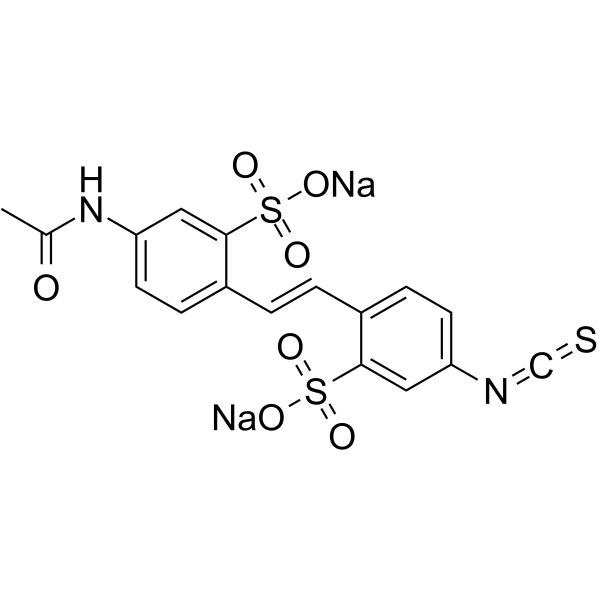
sits Structure sits
CAS:51023-76-8
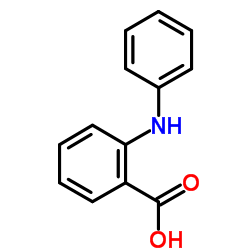
N-Phenylanthranilic acid Structure N-Phenylanthranilic acid
CAS:91-40-7
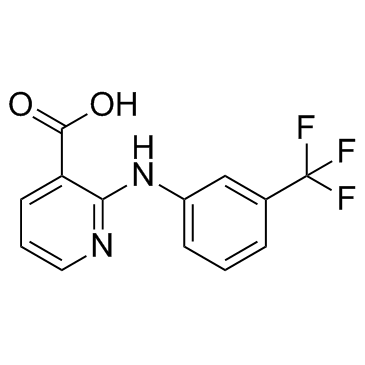
Niflumic acid Structure Niflumic acid
CAS:4394-00-7