Journal of Biological Chemistry 2015-06-26

Metallothionein-I/II Promotes Axonal Regeneration in the Central Nervous System.

Mustafa M Siddiq, Sari S Hannila, Jason B Carmel, John B Bryson, Jianwei Hou, Elena Nikulina, Matthew R Willis, Wilfredo Mellado, Erica L Richman, Melissa Hilaire, Ronald P Hart, Marie T Filbin

Index: J. Biol. Chem. 290 , 16343-56, (2015)

Full Text: HTML

Abstract

The adult CNS does not spontaneously regenerate after injury, due in large part to myelin-associated inhibitors such as myelin-associated glycoprotein (MAG), Nogo-A, and oligodendrocyte-myelin glycoprotein. All three inhibitors can interact with either the Nogo receptor complex or paired immunoglobulin-like receptor B. A conditioning lesion of the sciatic nerve allows the central processes of dorsal root ganglion (DRG) neurons to spontaneously regenerate in vivo after a dorsal column lesion. After a conditioning lesion, DRG neurons are no longer inhibited by myelin, and this effect is cyclic AMP (cAMP)- and transcription-dependent. Using a microarray analysis, we identified several genes that are up-regulated both in adult DRGs after a conditioning lesion and in DRG neurons treated with cAMP analogues. One gene that was up-regulated under both conditions is metallothionein (MT)-I. We show here that treatment with two closely related isoforms of MT (MT-I/II) can overcome the inhibitory effects of both myelin and MAG for cortical, hippocampal, and DRG neurons. Intrathecal delivery of MT-I/II to adult DRGs also promotes neurite outgrowth in the presence of MAG. Adult DRGs from MT-I/II-deficient mice extend significantly shorter processes on MAG compared with wild-type DRG neurons, and regeneration of dorsal column axons does not occur after a conditioning lesion in MT-I/II-deficient mice. Furthermore, a single intravitreal injection of MT-I/II after optic nerve crush promotes axonal regeneration. Mechanistically, MT-I/II ability to overcome MAG-mediated inhibition is transcription-dependent, and MT-I/II can block the proteolytic activity of α-secretase and the activation of PKC and Rho in response to soluble MAG. © 2015 by The American Society for Biochemistry and Molecular Biology, Inc.

Related Compounds

Structure Name/CAS No. Articles
Dichloromethane Structure Dichloromethane
CAS:75-09-2
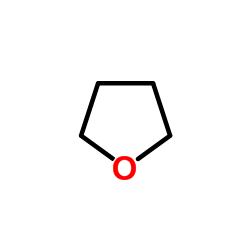
thf Structure thf
CAS:109-99-9
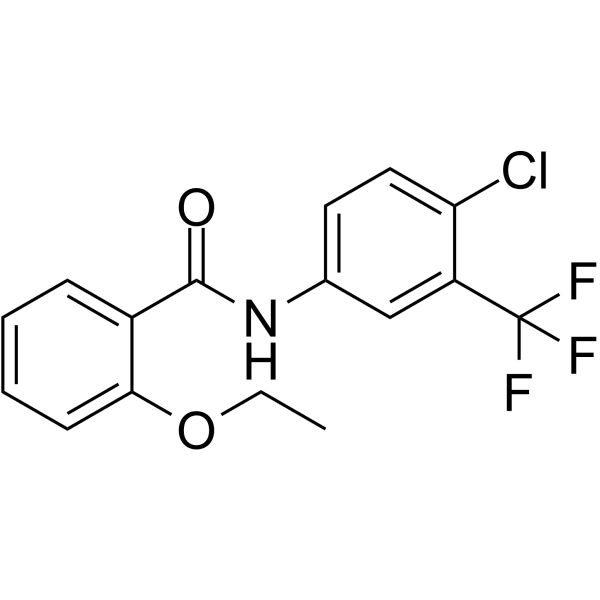
CTB Structure CTB
CAS:451491-47-7
DL-Glyceraldehyde 3-phosphate Structure DL-Glyceraldehyde 3-phosphate
CAS:591-59-3
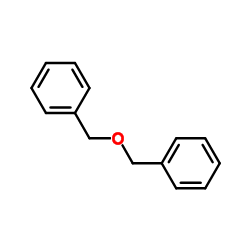
Dibenzyl ether Structure Dibenzyl ether
CAS:103-50-4
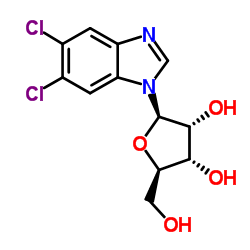
5,6-Dichlorobenzimidazole riboside Structure 5,6-Dichlorobenzimidazole riboside
CAS:53-85-0