Journal of Biomaterials Applications 2015-07-01

Albumin-based micro-composite drug carriers with dual chemo-agents for targeted breast cancer treatment.

Farhana Abedin, Md R Anwar, Ramazan Asmatulu, Shang-You Yang

Index: J. Biomater. Appl. 30 , 38-49, (2015)

Full Text: HTML

Abstract

Albumin-based drug-carrying micro-composite spheres were fabricated and studied to evaluate their potentials for breast cancer treatment. Magnetic nanoparticles and albumin were incorporated within poly(D l-lactide-co-glycolide) microspheres to increase accumulation of the microspheres at the target site. Two chemotherapeutics, cyclophosphamide and 5-fluorouracil, were encapsulated into the microspheres. The drug-release study revealed an initial burst of drug and then sustained release by diffusion. A Fourier transform infrared spectroscopy study confirmed the presence of all components of the drug delivery system. An in vitro study using fibroblast cells (3T3) and breast cancer cells (MDA-486) exhibited an effective cytotoxicity behavior when exposed to the drug delivery system in a dose- and time-dependent manner. The therapeutic influence of the drug delivery system was evaluated in vivo using a nude mouse breast cancer model. A continuous decrease in tumor size was observed in groups treated with microspheres containing the chemotherapeutics, whereas mice treated with direct chemotherapy without drug delivery system showed less efficacy and suggested tumor relapse after cessation of treatment. The enhanced therapeutic influence of the drug delivery system may be attributed to the increased uptake of the microspheres by malignant cells due to the presence of albumin and magnetic force. The bioavailability of chemotherapeutics at the target site was further increased due to the sustained release of the drugs by diffusion following the burst release. Continuous investigations will optimize the size of the drug delivery system and portions of the target driving-force components (magnetic nanoparticles and albumin) in the drug delivery system to maximize its therapeutic efficacy and minimize potential long-term side effects. © The Author(s) 2015 Reprints and permissions: sagepub.co.uk/journalsPermissions.nav.

Related Compounds

Structure Name/CAS No. Articles
N-hexane Structure N-hexane
CAS:110-54-3
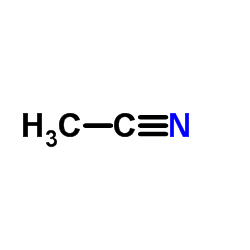
Acetonitrile Structure Acetonitrile
CAS:75-05-8
Hydrochloric acid Structure Hydrochloric acid
CAS:7647-01-0
Aqueous ammonia Structure Aqueous ammonia
CAS:1336-21-6
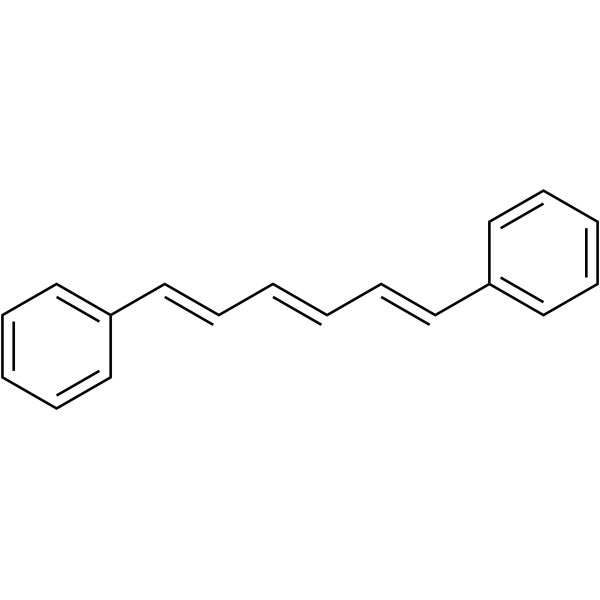
1,6-DIPHENYL-1,3,5-HEXATRIENE Structure 1,6-DIPHENYL-1,3,5-HEXATRIENE
CAS:1720-32-7