Nature Cell Biology 2015-06-01

Degradation of lipid droplet-associated proteins by chaperone-mediated autophagy facilitates lipolysis.

Susmita Kaushik, Ana Maria Cuervo

Index: Nat. Cell Biol. 17 , 759-70, (2015)

Full Text: HTML

Abstract

Chaperone-mediated autophagy (CMA) selectively degrades a subset of cytosolic proteins in lysosomes. A potent physiological activator of CMA is nutrient deprivation, a condition in which intracellular triglyceride stores or lipid droplets (LDs) also undergo hydrolysis (lipolysis) to generate free fatty acids for energetic purposes. Here we report that the LD-associated proteins perilipin 2 (PLIN2) and perilipin 3 (PLIN3) are CMA substrates and their degradation through CMA precedes lipolysis. In vivo studies revealed that CMA degradation of PLIN2 and PLIN3 was enhanced during starvation, concurrent with elevated levels of cytosolic adipose triglyceride lipase (ATGL) and macroautophagy proteins on LDs. CMA blockage both in cultured cells and mouse liver or expression of CMA-resistant PLINs leads to reduced association of ATGL and macrolipophagy-related proteins with LDs and the subsequent decrease in lipid oxidation and accumulation of LDs. We propose a role for CMA in LD biology and in the maintenance of lipid homeostasis.

Related Compounds

Structure Name/CAS No. Articles
Ethanol Structure Ethanol
CAS:64-17-5
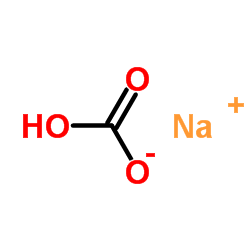
SodiuM bicarbonate Structure SodiuM bicarbonate
CAS:144-55-8
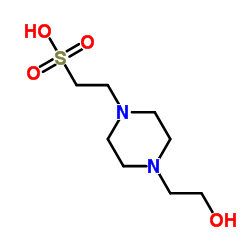
HEPES Structure HEPES
CAS:7365-45-9
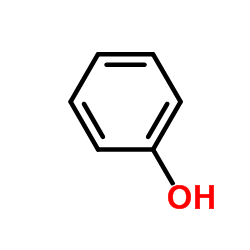
Phenol Structure Phenol
CAS:108-95-2
oleic acid Structure oleic acid
CAS:112-80-1
DPH Structure DPH
CAS:484049-04-9
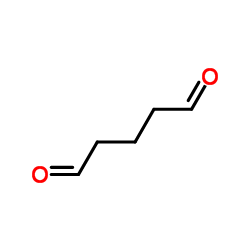
glutaraldehyde Structure glutaraldehyde
CAS:111-30-8
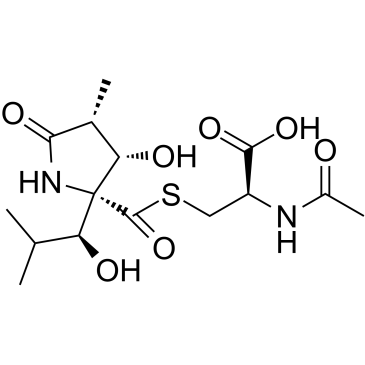
Lactacystin Structure Lactacystin
CAS:133343-34-7
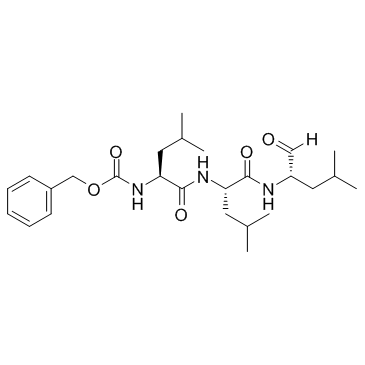
MG-132 Structure MG-132
CAS:133407-82-6
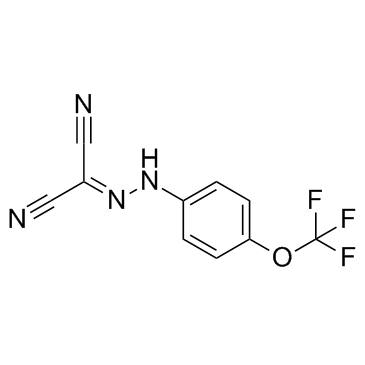
FCCP Structure FCCP
CAS:370-86-5