Molecular Pharmacology 2014-08-01

Label-free monitoring of μ-opioid receptor-mediated signaling.

Philippe Bourassa, Hanieh Bagheri Tudashki, Graciela Pineyro, Michel Grandbois, Louis Gendron

Index: Mol. Pharmacol. 86(2) , 138-49, (2014)

Full Text: HTML

Abstract

In this study, we used a combination of traditional signaling investigation approaches, bioluminescence resonance energy transfer (BRET) biosensors, and the label-free approach surface plasmon resonance (SPR) spectroscopy to monitor the signaling cascades of the μ-opioid receptor (MOP). In human embryonic kidney cells stably expressing a Flag-tagged version of human MOP, we compared the signals triggered by the noninternalizing and internalizing MOP agonists morphine and DAMGO (Tyr-D-Ala-Gly-N-methyl-Phe-Gly-ol), respectively. We studied three major and well described components of MOP signaling: receptor internalization, G protein coupling, and activation of extracellular signal-regulated kinase ERK1/ERK2. Our results show that morphine and DAMGO display different profiles of receptor internalization and a similar ability to trigger the phosphorylation of ERK1/ERK2. Our SPR analyses revealed that morphine and DAMGO evoke similar SPR signatures and that Gαi, cAMP-dependent pathways, and ERK1/ERK2 have key roles in morphine- and DAMGO-mediated signaling. Most interestingly, we found that the so-called MOP neutral antagonists CTOP (D-Phe-Cys-Tyr-D-Trp-Orn-Thr-Pen-Thr-NH(2)), naloxone, and naltrexone behave like partial agonists. Even more intriguing, BRET experiments indicate that CTAP (D-Phe-Cys-Tyr-D-Trp-Arg-Thr-Pen-Thr-NH(2)) induces similar conformational changes as naltrexone at the Gαi-βγ interface, whereas it appears as an inverse agonist based on its SPR response thus indicating distinct signaling mechanisms for the two ligands. Taken together, our results support the usefulness of label-free methods such as SPR to study whole-cell responses and signaling cascades triggered by G protein-coupled receptors and complement the conventional approaches by revealing cellular responses that would have been otherwise undetectable.Copyright © 2014 by The American Society for Pharmacology and Experimental Therapeutics.

Related Compounds

Structure Name/CAS No. Articles
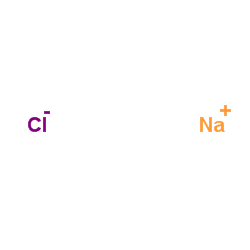
sodium chloride Structure sodium chloride
CAS:7647-14-5
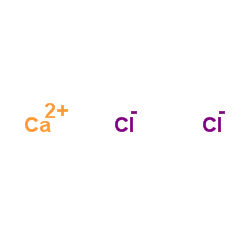
Calcium chloride Structure Calcium chloride
CAS:10043-52-4
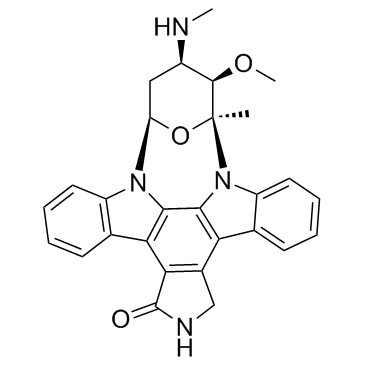
Staurosporine Structure Staurosporine
CAS:62996-74-1
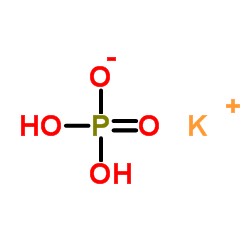
Monopotassium phosphate Structure Monopotassium phosphate
CAS:7778-77-0
SODIUM CHLORIDE-35 CL Structure SODIUM CHLORIDE-35 CL
CAS:20510-55-8
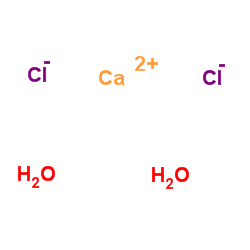
calcium chloride dihydrate Structure calcium chloride dihydrate
CAS:10035-04-8
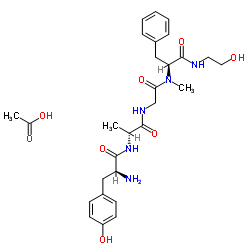
(D-Ala2,N-Me-Phe4,glycinol5)-Enkephalin acetate salt Structure (D-Ala2,N-Me-Phe4,glycinol5)-Enkephalin acetate salt
CAS:100929-53-1
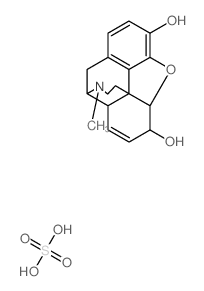
morphine sulfate Structure morphine sulfate
CAS:64-31-3