Analyst (Cambridge UK) 2015-08-21

A versatile and highly sensitive homogeneous electrochemical strategy based on the split aptamer binding-induced DNA three-way junction and exonuclease III-assisted target recycling.

Ting Hou, Wei Li, Lianfang Zhang, Feng Li

Index: Analyst 140 , 5748-53, (2015)

Full Text: HTML

Abstract

Herein, a highly sensitive and versatile homogeneous electrochemical biosensing strategy is proposed, based on the split aptamer-incorporated DNA three-way junction and the exonuclease (Exo) III-assisted target recycling. The aptamer of adenosine triphosphate (ATP, chosen as the model analyte) is split into two fragments and embedded in single-stranded DNA1 and DNA2, respectively. ATP specifically binds with the split aptamers, bringing DNA1 and DNA2 close to each other, thus inducing the DNA three-way junction formation through the partial hybridization among DNA1, DNA2 and the methylene blue-labelled MB-DNA. Subsequently, MB-DNA is specifically digested by Exo III, releasing a MB-labelled mononucleotide, as well as a DNA1-ATP-DNA2 complex, which acts as the recycled target and hybridizes with another intact MB-DNA to initiate the subsequent cycling cleavage process. As a result, large amounts of MB-labelled mononucleotides are released, generating a significantly amplified electrochemical signal toward the ATP assay. To the best of our knowledge, it is the first example to successfully incorporate split aptamers into DNA three-way junctions and to be adopted in a homogeneous electrochemical assay. In addition to high sensitivity, this strategy also exhibits the advantages of simplicity and convenience, because it is carried out in a homogeneous solution, and sophisticated electrode modification processes are avoided. By simply changing the sequences of the split aptamer fragments, this versatile strategy can be easily adopted to assay a large spectrum of targets. Due to its advantages of high sensitivity, excellent selectivity, versatility and simple operation, the as-proposed approach has great potential to be applied in biochemical research and clinical practices.

Related Compounds

Structure Name/CAS No. Articles
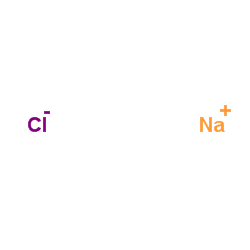
sodium chloride Structure sodium chloride
CAS:7647-14-5
Hydrochloric acid Structure Hydrochloric acid
CAS:7647-01-0
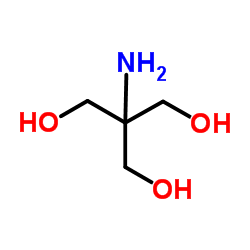
Trometamol Structure Trometamol
CAS:77-86-1
SODIUM CHLORIDE-35 CL Structure SODIUM CHLORIDE-35 CL
CAS:20510-55-8
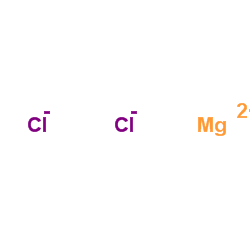
Magnesium choride Structure Magnesium choride
CAS:7786-30-3
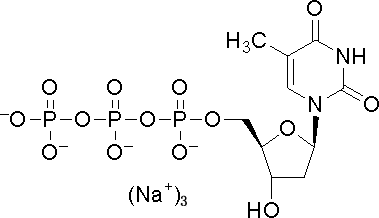
Deoxythymidine triphosphate Structure Deoxythymidine triphosphate
CAS:18423-43-3
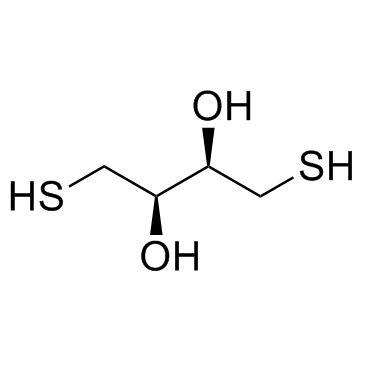
DL-Dithiothreitol Structure DL-Dithiothreitol
CAS:3483-12-3