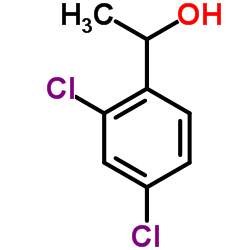
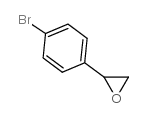
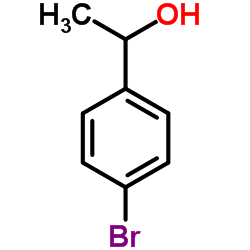
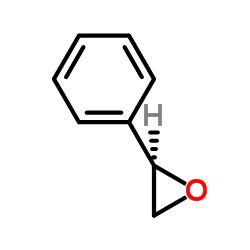
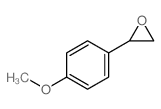
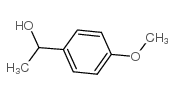
The reductive cleavage of epoxides to alcohols is one of the most important reactions in organic synthesis. In principle, an unsymmetrical alkyl-substituted epoxide can produce the more substituted carbinol by reduction of epoxides with nucleophilic hydride transferring reagents or less substituted alcohol with elcetrophilic hydride reagents, [ 1-5 View all references ] depending on the cleavage of the C–O bond to the less-substituted or more-substituted carbon atom. Drawbacks of ...