Epilepsia
2013-06-01
Risk factors for hyperammonemia in pediatric patients with epilepsy.
Yoshiaki Yamamoto, Yukitoshi Takahashi, Katsumi Imai, Nobuyuki Mishima, Rei Yazawa, Kazuyuki Inoue, Kunihiko Itoh, Yoshiyuki Kagawa, Yushi Inoue
文献索引:Epilepsia 54(6) , 983-9, (2013)
全文:HTML全文
摘要
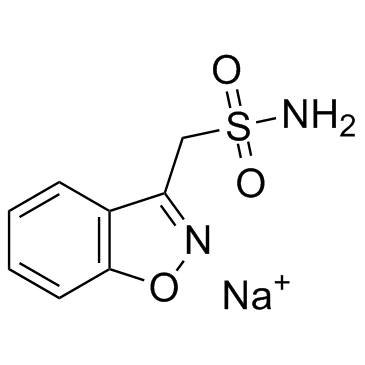
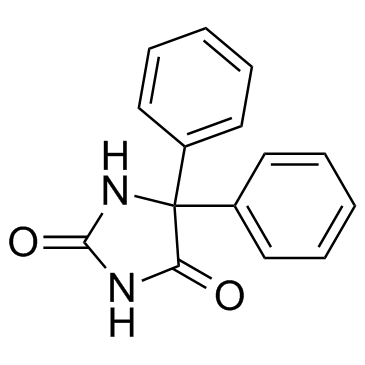
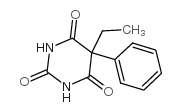
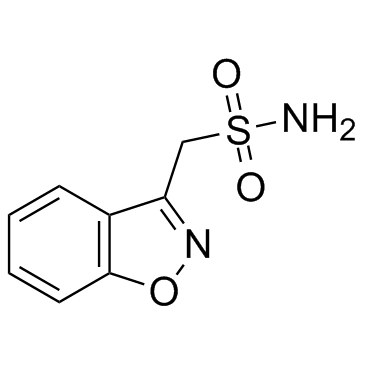
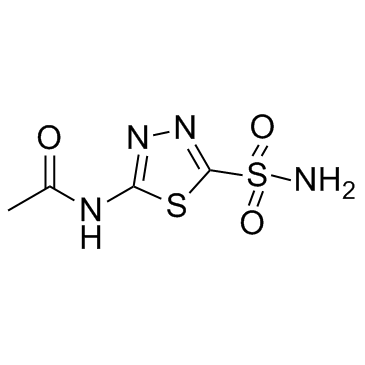
To identify risk factors for hyperammonemia in pediatric patients with epilepsy.A total of 2,944 pediatric patients (ages 0-15 years) were classified into the following three groups: a group without drug treatment (n = 445, group I), a group receiving antiepileptic drugs other than valproic acid (VPA) (n = 673, group II), and a VPA-treated group (n = 1,826, group III). Hyperammonemia was defined as a plasma ammonia level exceeding 100 μg/dl with reference to the standard range and previous reports.The mean ammonia level of groups I, II, and III was 36.0, 56.0, and 86.8 μg/dl, respectively, and the incidence of hyperammonemia was 1.6%, 7.7%, and 31.7%, respectively. In each group, the mean ammonia level of patients aged 3 years or younger was significantly higher than that of patients aged 4-15 years. In group II, concomitant use of topiramate and zonisamide were risk factors for hyperammonemia (adjusted odds ratio [OR] 3.9, 95% confidence interval [CI] 1.7-9.2, and OR 3.5, 95% CI 1.9-6.5, respectively). In group III, the ammonia level increased in a VPA dose-dependent manner. At a VPA dose of 30 mg/kg, there was 4.3-fold increase in the incidence of hyperammonemia. The other significant risk factors identified were female gender (OR 1.3, 95% CI 1.0-1.6), symptomatic generalized epilepsy (OR 1.4, 95% CI 1.1-1.8), and the concomitant use of phenytoin (OR 4.7, 95% CI 3.3-6.9), phenobarbital (OR 2.2. 95% CI 1.6-3.2), acetazolamide (OR 6.6, 95% CI 2.5-17.2), topiramate, or zonisamide.A young age and concomitant use of carbonic anhydrase inhibitors are associated with an increased risk of hyperammonemia regardless of whether the patient is taking VPA. In patients receiving VPA, concomitant use of phenytoin and/or phenobarbital enhances the risk of hyperammonemia. An increase in ammonia can be caused by multiple factors. Our results may help clinicians to avoid problems of hyperammonemia.Wiley Periodicals, Inc. © 2013 International League Against Epilepsy.