前往化源商城

Journal of Molecular Medicine (Berlin, Germany) 2015-01-01

Injection of celiac disease patient sera or immunoglobulins to mice reproduces a condition mimicking early developing celiac disease.

Suvi Kalliokoski, Sergio Caja, Rafael Frias, Kaija Laurila, Outi Koskinen, Onni Niemelä, Markku Mäki, Katri Kaukinen, Ilma R Korponay-Szabó, Katri Lindfors

文献索引:J. Mol. Med. 93(1) , 51-62, (2015)

全文:HTML全文

摘要

Typical features of celiac disease are small-bowel villus atrophy, crypt hyperplasia, and inflammation which develop gradually concomitant with ingestion of gluten. In addition, patients have anti-transglutaminase 2 (TG2) autoantibodies in their serum and tissues. The aim of this study was to establish whether celiac disease can be passively transferred to mice by serum or immunoglobulins. Serum aliquots or purified immunoglobulins (Ig) were intraperitoneally injected into Hsd:Athymic Nude-Foxn1nu mice for 8 or 27 days. As mice do not have proper IgA transport from peritoneum to blood, sera with a high content of IgG class anti-TG2 antibodies from untreated IgA-deficient celiac patients were used. Mouse sera were tested for celiac disease-specific autoantibodies, and several tissues were analyzed for autoantibody deposits targeted to TG2. Morphological assessment was made of the murine small intestinal mucosa. Injection of celiac disease patient sera or total IgG led to a significant delay in weight gain and mild diarrhea in a subset of mice. The mice injected with celiac patient sera or IgG had significantly decreased villus height crypt depth (Vh/CrD) ratios and celiac disease-specific autoantibody deposits targeted to TG2 in several tissues, including the small intestine. None of these features were observed in control mice. We conclude that administration of IgA-deficient celiac disease patient serum or total IgG induces both deterioration of the intestinal mucosa and clinical features of celiac disease in mice. The experimentally induced condition in the mice injected with patient serum or IgG resembles early developing celiac disease in humans.Celiac disease patient sera or total IgG was injected into athymic mice. A significant delay in weight gain and mild diarrhea was observed. Mice evinced significantly decreased villus height crypt depth ratios. Celiac disease-specific autoantibody deposits were present in several tissues. The condition in mice resembles early stage celiac disease in humans.

相关化合物

结构式 名称/CAS号 全部文献
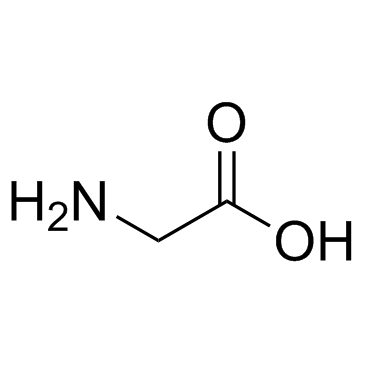
甘氨酸 结构式 甘氨酸
CAS:56-40-6
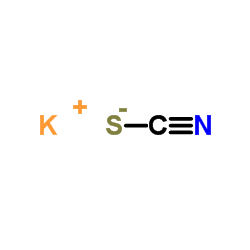
硫氰酸钾 结构式 硫氰酸钾
CAS:333-20-0
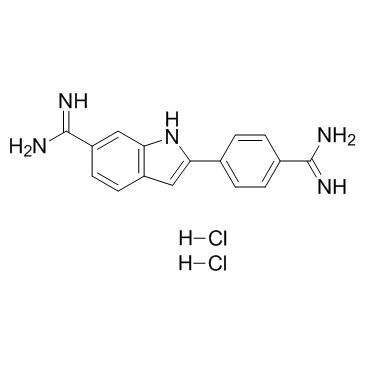
4',6-二脒基-2-苯基吲哚二盐酸盐 结构式 4',6-二脒基-2-苯基吲哚二盐酸盐
CAS:28718-90-3
DL-2-氨基丙酸 结构式 DL-2-氨基丙酸
CAS:302-72-7