前往化源商城

Iubmb Life 2015-08-01

Curcumin attenuates ethanol-induced hepatic steatosis through modulating Nrf2/FXR signaling in hepatocytes.

Chunfeng Lu, Feng Zhang, Wenxuan Xu, Xiafei Wu, Naqi Lian, Huanhuan Jin, Qin Chen, Lianyun Chen, Jiangjuan Shao, Li Wu, Yin Lu, Shizhong Zheng

文献索引:IUBMB Life 67 , 645-58, (2015)

全文:HTML全文

摘要

Alcoholic liver disease (ALD) is a common health problem worldwide, characterized by aberrant accumulation of lipid in hepatocytes. Inhibition of lipid accumulation has been well recognized as a promising strategy for ALD. Previous studies showed that curcumin has potential effect on ALD by regulating oxidative stress and ethanol metabolism. However, the effects of curcumin on lipid accumulation and its mechanism remain unclear. Recent researches have indicated that farnesoid X receptor (FXR) and nuclear factor (erythroid-derived 2)-like 2 (Nrf2) have excellent effects on reducing lipid deposition. This study demonstrated that curcumin alleviated ethanol-induced liver injury by ameliorating activities of serum marker enzymes and inflammation. Moreover, curcumin alleviated the symptom of hyperlipidemia and hepatic steatosis via modulating the expression of sterol regulatory element-binding protein-1c, fatty acid synthase, and peroxisome proliferator-activated receptor-alpha as well as the activity of carnitine palmitoyltransferase 1. Additionally, curcumin induced the expression of Nrf2 and FXR in liver, strongly implying close relationship between inhibitory effect of curcumin on hepatic steatosis and the above two genes. The following in vitro experiments further verified the protective effects of curcumin against hepatotoxicity and lipid accumulation in hepatocytes induced by ethanol. Gain- or loss-of-function analyses revealed Nrf2 and FXR mediated the effect of curcumin on lipid deposition in hepatocytes, and curcumin modulated the expression of FXR mediated by Nrf2. Collectively, we drew a conclusion that curcumin attenuated ALD by modulating lipid deposition in hepatocytes via a Nrf2/FXR activation-dependent mechanism. The findings make curcumin a potential agent for ALD and broaden the horizon of the molecular mechanism involved.© 2015 International Union of Biochemistry and Molecular Biology.

相关化合物

结构式 名称/CAS号 全部文献
乙醇 结构式 乙醇
CAS:64-17-5
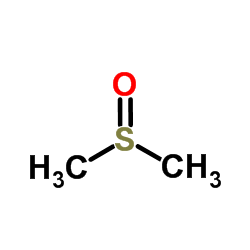
二甲基亚砜 结构式 二甲基亚砜
CAS:67-68-5
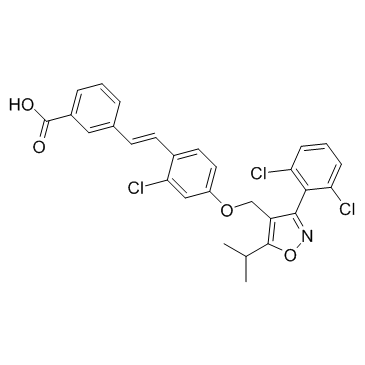
3-(2,6-二氯苯基)-4-(3'-羧基-2-氯二苯乙烯-4-基)氧甲基-5-异丙基异恶唑 结构式 3-(2,6-二氯苯基)-4-(3'-羧基-2-氯二苯乙烯-4-基)氧甲基-5-异丙基异恶唑
CAS:278779-30-9
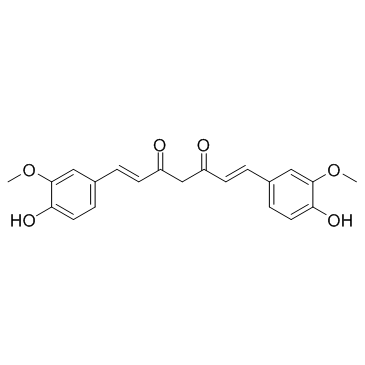
姜黄素 结构式 姜黄素
CAS:458-37-7
N-[1-(2,3-二油酰氧基)丙基]-N,N,N-三甲基铵甲基-硫酸盐 结构式 N-[1-(2,3-二油酰氧基)丙基]-N,N,N-三甲基铵甲基-硫酸盐
CAS:144189-73-1
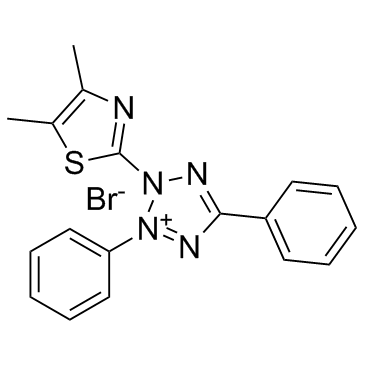
噻唑兰 结构式 噻唑兰
CAS:298-93-1
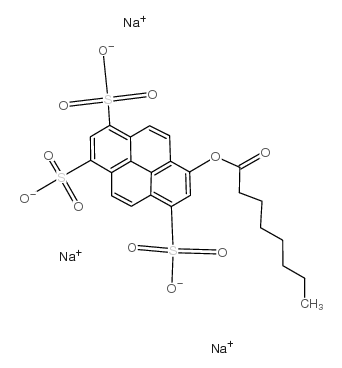
8-辛酰氧基芘-1,3,6-三磺酸三钠盐 结构式 8-辛酰氧基芘-1,3,6-三磺酸三钠盐
CAS:115787-84-3