前往化源商城

Prostate 2015-10-01

Reactive stroma in the prostate during late life: The role of microvasculature and antiangiogenic therapy influences.

Fabio Montico, Larissa Akemi Kido, Rebeca San Martin, David R Rowley, Valéria H A Cagnon

文献索引:Prostate 75 , 1643-61, (2015)

全文:HTML全文

摘要

Prostate cancer is associated to a reactive stroma microenvironment characterized by angiogenic processes that are favorable for tumor progression. Senescence has been identified as a predisposing factor for prostate malignancies. In turn, the relationships between aging, reactive stroma, and the mechanisms that induce this phenotype are largely unknown. Thus, we investigated the occurrence of reactive stroma in the mouse prostate during advanced age as well as the effects of antiangiogenic and androgen ablation therapies on reactive stroma recruitment.Male mice (52-week-old FVB) were treated with two classes of angiogenesis inhibitors: direct (TNP-470; 15 mg/kg; s.c.) and/or indirect (SU5416; 6 mg/kg; i.p.). Androgen ablation was carried out by finasteride administration (20 mg/kg; s.c.), alone or in association to both inhibitors. The Transgenic Adenocarcinoma of the Mouse Prostate (TRAMP) model was used as a paradigm of cancer-associated reactive stroma. The dorsolateral prostate was collected for α-actin (αSMA), vimentin (VIM), and transforming growth factor-beta (TGF-β) immunohistochemical and Western blotting analyses as well as for CD34/αSMA and CD34/VIM colocalization.Senescence was associated with increased αSMA, VIM, and TGF-β expression as well as with the recruitment of CD34/αSMA and CD34/VIM dual-positive fibroblasts. These observations were similar to those verified in TRAMP mice. Antiangiogenic treatment promoted the recovery of senescence-associated stromal changes. Hormonal ablation, despite having led to impaired CD34/αSMA and CD34/VIM dual-positive cell recruitment, did not result in decreased stimulus to reactive stroma development, due to enhanced TGF-β expression in relation to the aged controls.Reactive stroma develops in the prostate of non-transgenic mice as a result of aging. The periacinar microvasculature is a candidate source for the recruitment of reactive stroma-associated cells, which may be derived either from perivascular-resident mesenchymal stem cells (MSCs) or from an endothelial-to-mesenchymal transition (EndMT) process. Thus, antiangiogenic therapy is a promising approach for preventing age-associated prostate malignancies by means of its negative interference in the development of reactive stroma phenotype from the vascular wall.© 2015 Wiley Periodicals, Inc.

相关化合物

结构式 名称/CAS号 全部文献
乙醇 结构式 乙醇
CAS:64-17-5
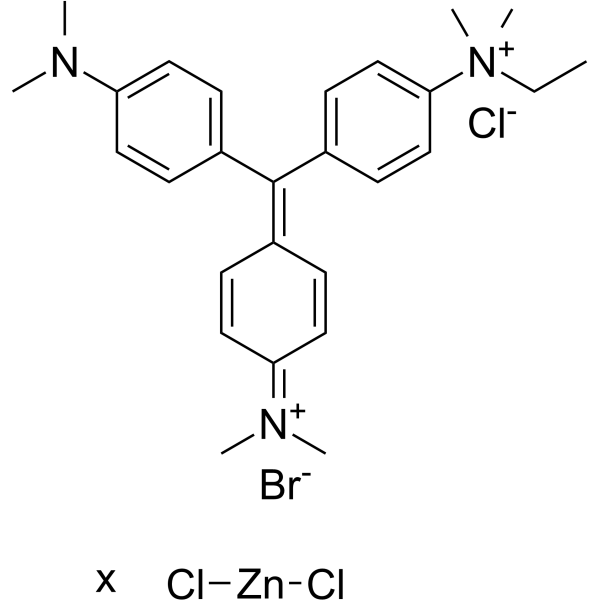
甲基绿 结构式 甲基绿
CAS:7114-03-6
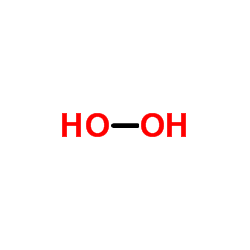
过氧化氢 结构式 过氧化氢
CAS:7722-84-1
甲醇 结构式 甲醇
CAS:67-56-1
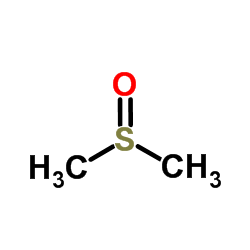
二甲基亚砜 结构式 二甲基亚砜
CAS:67-68-5
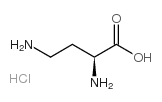
L-2,4-二氨基丁酸 单盐酸盐 结构式 L-2,4-二氨基丁酸 单盐酸盐
CAS:1482-98-0
非那雄胺 结构式 非那雄胺
CAS:98319-26-7
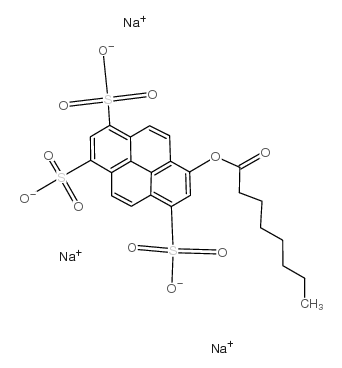
8-辛酰氧基芘-1,3,6-三磺酸三钠盐 结构式 8-辛酰氧基芘-1,3,6-三磺酸三钠盐
CAS:115787-84-3