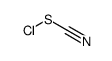
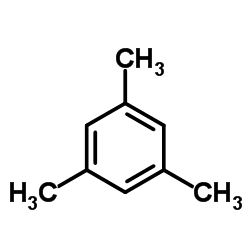
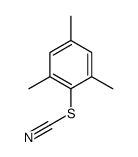
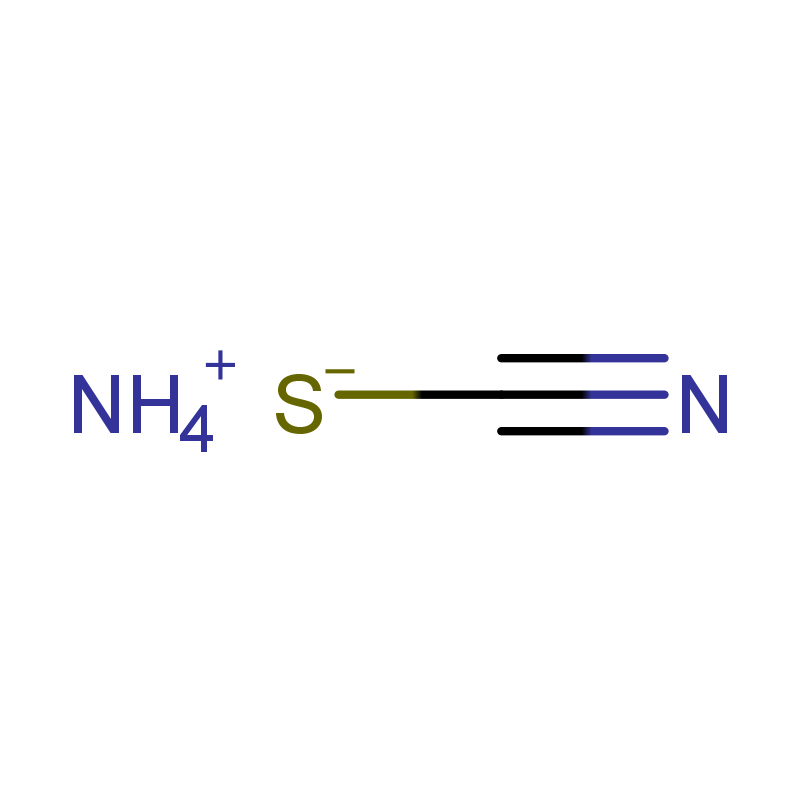
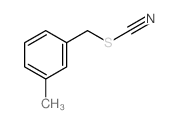
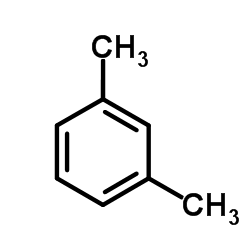
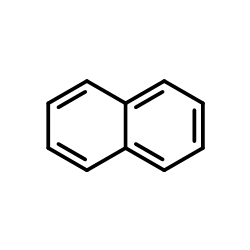
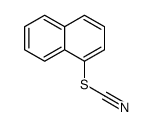
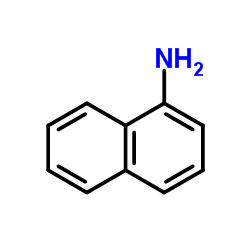
In an organic solvent and with no added catalyst, thiocyanogen chloride effects nuclear thiocyanation in a much wider range of aromatic hydrocarbons than does thiocyanogen. Reactions between thiocyanogen chloride and m-xylene, higher benzene homologues, naphthalene, and anthracene are described. The relative rates of nuclear thiocyanation of the hydrocarbons are in the same order as their relative rates of nuclear substitution by ...