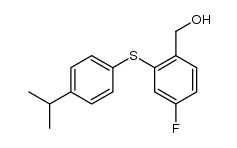
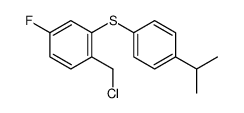
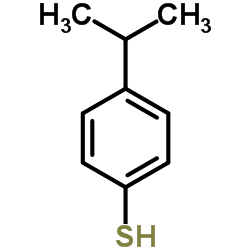
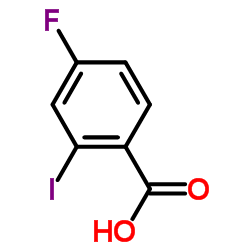
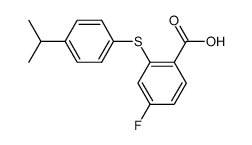
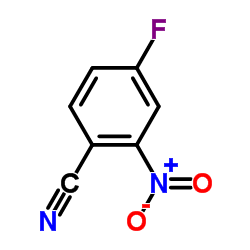
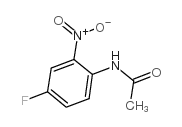
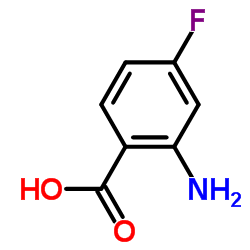
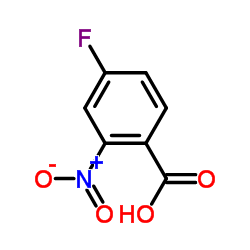
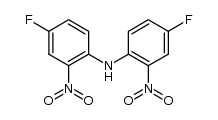
Abstract Substitution reaction of 11-chloro-7-fluoro-2-isopropyl-10, 11-dihydrodibenzo [b, f,] thiepin with 1-(2-hydroxyethyl) piperazine gave the title compound I which proved a very potent and longacting oral neuroleptic agent (isofloxythepin). Its resolution by means of dibenzoyl-(+)-and-(-)-tartaric acid led to (-)-and (+)-enantiomer out of which the former represents the neuroleptically active component. In the synthetic sequence leading to I, ...