Malabaricone B
Modify Date: 2025-08-24 21:43:22

Malabaricone B structure
|
Common Name | Malabaricone B | ||
|---|---|---|---|---|
| CAS Number | 63335-24-0 | Molecular Weight | 342.43 | |
| Density | 1.17g/cm3 | Boiling Point | 536.4ºC at 760 mmHg | |
| Molecular Formula | C21H26O4 | Melting Point | N/A | |
| MSDS | N/A | Flash Point | 292.3ºC | |
Use of Malabaricone BMalabaricone B, a naturally occurring plant phenolic, is an orally active α-glucosidase inhibitor with an IC50 of 63.7 µM. Malabaricone B has anticancer, antimicrobial, anti-oxidation and antidiabetic activities[1][2][3]. |
| Name | 1-(2,6-dihydroxyphenyl)-9-(4-hydroxyphenyl)nonan-1-one |
|---|---|
| Synonym | More Synonyms |
| Description | Malabaricone B, a naturally occurring plant phenolic, is an orally active α-glucosidase inhibitor with an IC50 of 63.7 µM. Malabaricone B has anticancer, antimicrobial, anti-oxidation and antidiabetic activities[1][2][3]. |
|---|---|
| Related Catalog | |
| In Vitro | Malabaricone B shows selective toxicity to human lung cancer (A549), malignant melanoma (A375) and T cell leukemia (Jurkat) cell lines, without showing toxicity to human normal intestinal (INT407), human kidney (HEK293) and lung fibroblast (WI-38) cells. Among the chosen cancer cell lines, Malabaricone B shows maximum cytotoxicity to the A549 cells (IC50 = 8.1 μM), which is significantly better than that of curcumin (IC50 = 26.7 μM)[1]. The Malabaricone B-induced apoptosis is mediated by an increase in the intracellular reactive oxygen species (ROS). Malabaricone B (2.5, 5, 10 and 20 µM) increases the BAX level while simultaneously decreasing the BCL-2 and BCL-XL levels in the A549 cells, triggering the mitochondrial apoptotic pathway as revealed from the release of cytochrome c, and the activation of caspase-9 and caspase-3[1]. Malabaricone B exhibits a good level of antimicrobial activity when tested against avariety of microorganisms, including Staphylococcus aureus and Candida albicans[2]. |
| In Vivo | Malabaricone B (100 mg/kg; p.o; alternate day, 23 days) inhibits lung tumor (xenograft) growth in SCID mice[1]. |
| References |
| Density | 1.17g/cm3 |
|---|---|
| Boiling Point | 536.4ºC at 760 mmHg |
| Molecular Formula | C21H26O4 |
| Molecular Weight | 342.43 |
| Flash Point | 292.3ºC |
| Exact Mass | 342.18300 |
| PSA | 77.76000 |
| LogP | 4.95950 |
| Index of Refraction | 1.59 |
| InChIKey | KOAPDMKKECXPHX-UHFFFAOYSA-N |
| SMILES | O=C(CCCCCCCCc1ccc(O)cc1)c1c(O)cccc1O |
 CAS#:699-83-2
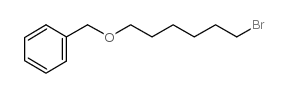 CAS#:54247-27-7
![1-[2-(BENZYLOXY)-6-HYDROXYPHENYL]ETHAN-1-ONE Structure](https://image.chemsrc.com/caspic/476/4047-24-9.png) CAS#:4047-24-9
CAS#:4047-24-9 CAS#:71126-73-3
| malabricone B |
| Malabaricon B |
| malabaricone B |