Phentolamine
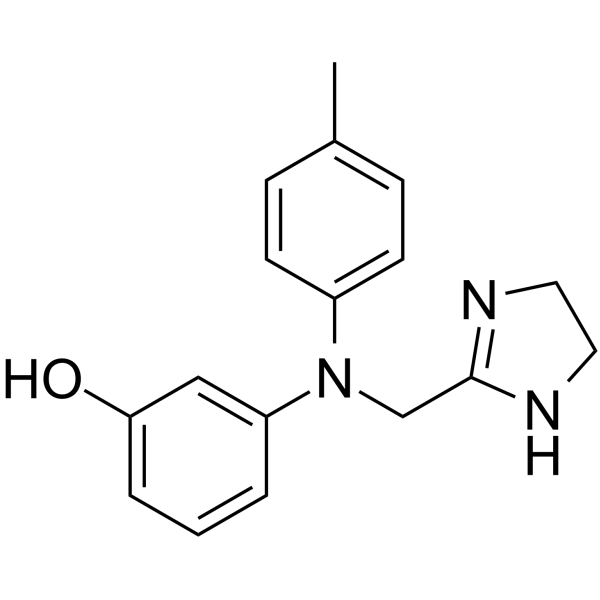
Phentolamine structure
|
Common Name | Phentolamine | ||
|---|---|---|---|---|
| CAS Number | 50-60-2 | Molecular Weight | 281.352 | |
| Density | 1.2±0.1 g/cm3 | Boiling Point | 551.0±45.0 °C at 760 mmHg | |
| Molecular Formula | C17H19N3O | Melting Point | 177 - 178ºC | |
| MSDS | N/A | Flash Point | 287.0±28.7 °C | |
Use of PhentolaminePhentolamine is a potent, selective and orally active α1 adrenergic and α2 adrenergic receptor antagonist. Phentolamine can be used for the treatment of erectile dysfunction[1][2][3]. |
Summary: Phentolamine (CAS 50-60-2), molecular formula C17H19N3O, molecular weight 281.352, is a white crystalline powder. For research-use only, not for medical or clinical usage.
This table lists Chinese names, IUPAC names and various aliases of this chemical substance.
| Name | phentolamine |
|---|---|
| Synonym | More Synonyms |
This table contains bioactivity, target information and biological‑assay experimental data of this compound.
| Description | Phentolamine is a potent, selective and orally active α1 adrenergic and α2 adrenergic receptor antagonist. Phentolamine can be used for the treatment of erectile dysfunction[1][2][3]. |
|---|---|
| Related Catalog | |
| In Vivo | Phentolamine (5-20 mg/kg; i.p.) effectively inhibits the seizures elicited by strychnine (2 mg/kg, i.p.) and attenuates the seizure-potentiating effect of DOPS (4 mg/kg, i.p.) in mouse[2]. Phentolamine (1 mg/kg; i.p.) increases insulin secretion by inhibition of b-cell a2A-adrenoceptors in mouse[3]. Animal Model: WT mice[3] Dosage: 1 mg/kg Administration: IP Result: Reduced blood glucose and increased insulin levels. |
| References |
This table shows physicochemical parameters including melting point, boiling point, density, solubility and optical rotation. Missing data is marked as N/A.
| Density | 1.2±0.1 g/cm3 |
|---|---|
| Boiling Point | 551.0±45.0 °C at 760 mmHg |
| Melting Point | 177 - 178ºC |
| Molecular Formula | C17H19N3O |
| Molecular Weight | 281.352 |
| Flash Point | 287.0±28.7 °C |
| Exact Mass | 281.152802 |
| PSA | 47.86000 |
| LogP | 3.60 |
| Vapour Pressure | 0.0±1.5 mmHg at 25°C |
| Index of Refraction | 1.626 |
| InChIKey | MRBDMNSDAVCSSF-UHFFFAOYSA-N |
| SMILES | Cc1ccc(N(CC2=NCCN2)c2cccc(O)c2)cc1 |
| Storage condition | -20°C |
This table summarizes toxicological test data, acute & chronic toxicity and ecological hazard parameters for this chemical.
CHEMICAL IDENTIFICATION
HEALTH HAZARD DATAACUTE TOXICITY DATA
|
This table covers safety warnings, protective measures, incompatible substances and disposal guidelines for this compound.
| Safety Phrases | S26-S36/37/39-S45-S8-S25 |
|---|---|
| RIDADR | UN 3264 8/PG 2 |
| WGK Germany | 3 |
| Packaging Group | II |
| Hazard Class | 8 |
| HS Code | 2933290090 |
This table presents publicly reported synthetic routes, reaction conditions, reactants and product information of the compound.
|
~%
Phentolamine CAS#:50-60-2 |
| Literature: CIBA Patent: DE842062 , 1948 ; DRP/DRBP Org.Chem. Full Text Show Details CIBA Patent: US2503059 , 1948 ; Full Text Show Details Urech et al. Helvetica Chimica Acta, 1950 , vol. 33, p. 1386,1403 |
|
~%
Phentolamine CAS#:50-60-2 |
| Literature: CIBA Patent: DE842062 , 1948 ; DRP/DRBP Org.Chem. Full Text Show Details CIBA Patent: US2503059 , 1948 ; |
![3-[(4-Methylphenyl)amino]phenol structure](https://image.chemsrc.com/caspic/470/61537-49-3.png)
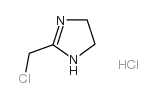
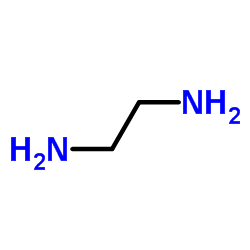
This table lists upstream starting materials and downstream derivative products related to this chemical.
| Precursor 3 | |
|---|---|
| DownStream 0 | |
This table shows customs‑related data including HS‑code, tariff and regulatory conditions for import and export.
| HS Code | 2933290090 |
|---|---|
| Summary | 2933290090. other compounds containing an unfused imidazole ring (whether or not hydrogenated) in the structure. VAT:17.0%. Tax rebate rate:13.0%. . MFN tariff:6.5%. General tariff:20.0% |
This table contains target information, in‑vitro & in‑vivo assay data for this compound.
This table collects all English aliases, systematic names and CAS‑related synonyms of the compound.
| Fentolamin |
| EINECS 200-053-1 |
| MFCD00242985 |
| 2-(N-[m-Hydroxyphenyl]-p-toluidinomethyl)imidazoline |
| Phentalamine |
| Regitin |
| Phenotolamine |
| 3-[(4,5-Dihydro-1H-imidazol-2-ylmethyl)(4-methylphenyl)amino]phenol |
| Dibasin |
| Fentolamina |
| Regitine |
| Phentolaminum |
| Phentolamine |
| 3-[N-(4,5-dihydro-1H-imidazol-2-ylmethyl)-4-methylanilino]phenol |
| Rogitine |
This section contains frequently‑asked‑questions about this compound, including basic parameters, properties, storage conditions and corresponding answers.
| Q: What are the upstream materials of phentolamine? |
| A: Related upstream materials(CAS) of phentolamine: 61537-49-3;13338-49-3;107-15-3. |
| Q: What is the SMILES notation of phentolamine? |
| A: SMILES notation of phentolamine is Cc1ccc(N(CC2=NCCN2)c2cccc(O)c2)cc1. |
| Q: What is the boiling point of phentolamine? |
| A: Boiling point of phentolamine is 551.0±45.0 °C at 760 mmHg. |
| Q: What is the safety information for phentolamine? |
| A: Safety information for phentolamine: S26-S36/37/39-S45-S8-S25. |
| Q: What is the CAS number of phentolamine? |
| A: CAS number of phentolamine is 50-60-2. |
| Q: What are the uses of phentolamine? |
| A: Main uses of phentolamine: Phentolamine is a potent, selective and orally active α1 adrenergic and α2 adrenergic receptor antagonist. Phentolamine can be used for the treatment of erectile dysfunction[1][2][3]. |
| Q: What is the molecular formula of phentolamine? |
| A: Molecular formula of phentolamine is C17H19N3O. |
| Q: What is the melting point of phentolamine? |
| A: Melting point of phentolamine is 177 - 178ºC. |
| Q: What is the InChIKey of phentolamine? |
| A: InChIKey of phentolamine is MRBDMNSDAVCSSF-UHFFFAOYSA-N. |
| Q: What are the storage conditions for phentolamine? |
| A: Storage conditions for phentolamine: -20°C. |
This table lists manufacturers and suppliers of this compound, including vendor names and product supply reference information.
| Shanghai Nianxing Industrial Co., Ltd |
| Dayang Chem (Hangzhou) Co., Ltd. |
| Henan Tianfu Chemical Co., Ltd. |