4-Benzyl-4-hydroxypiperidine
Modify Date: 2025-08-25 13:21:32
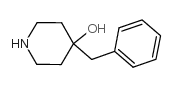
4-Benzyl-4-hydroxypiperidine structure
|
Common Name | 4-Benzyl-4-hydroxypiperidine | ||
|---|---|---|---|---|
| CAS Number | 51135-96-7 | Molecular Weight | 191.26900 | |
| Density | 1.085g/cm3 | Boiling Point | 329ºC at 760mmHg | |
| Molecular Formula | C12H17NO | Melting Point | 80-85 °C | |
| MSDS | N/A | Flash Point | 128.4ºC | |
| Name | 4-Benzyl-4-hydroxypiperidine |
|---|---|
| Synonym | More Synonyms |
| Density | 1.085g/cm3 |
|---|---|
| Boiling Point | 329ºC at 760mmHg |
| Melting Point | 80-85 °C |
| Molecular Formula | C12H17NO |
| Molecular Weight | 191.26900 |
| Flash Point | 128.4ºC |
| Exact Mass | 191.13100 |
| PSA | 32.26000 |
| LogP | 1.67240 |
| InChIKey | KJZBZOFESQSBCV-UHFFFAOYSA-N |
| SMILES | OC1(Cc2ccccc2)CCNCC1 |
Synonym:4-Benzyl-4-Piperidino Section 2 - COMPOSITION, INFORMATION ON INGREDIENTS
Risk Phrases: None Listed. Section 3 - HAZARDS IDENTIFICATION EMERGENCY OVERVIEW
Hygroscopic (absorbs moisture from the air).The toxicological properties of this material have not been fully investigated. Potential Health Effects Eye: May cause eye irritation. The toxicological properties of this material have not been fully investigated. Skin: May cause skin irritation. The toxicological properties of this material have not been fully investigated. Ingestion: May cause gastrointestinal irritation with nausea, vomiting and diarrhea. The toxicological properties of this substance have not been fully investigated. Inhalation: May cause respiratory tract irritation. The toxicological properties of this substance have not been fully investigated. Chronic: No information found. Section 4 - FIRST AID MEASURES Eyes: Immediately flush eyes with plenty of water for at least 15 minutes, occasionally lifting the upper and lower eyelids. Get medical aid immediately. Skin: Get medical aid. Flush skin with plenty of water for at least 15 minutes while removing contaminated clothing and shoes. Wash clothing before reuse. Ingestion: Never give anything by mouth to an unconscious person. Get medical aid immediately. Do NOT induce vomiting. If conscious and alert, rinse mouth and drink 2-4 cupfuls of milk or water. Inhalation: Remove from exposure and move to fresh air immediately. If not breathing, give artificial respiration. If breathing is difficult, give oxygen. Get medical aid. Notes to Physician: Section 5 - FIRE FIGHTING MEASURES General Information: As in any fire, wear a self-contained breathing apparatus in pressure-demand, MSHA/NIOSH (approved or equivalent), and full protective gear. During a fire, irritating and highly toxic gases may be generated by thermal decomposition or combustion. Vapors may be heavier than air. They can spread along the ground and collect in low or confined areas. Extinguishing Media: Use agent most appropriate to extinguish fire. Do NOT get water inside containers. Use water spray, dry chemical, carbon dioxide, or appropriate foam. Section 6 - ACCIDENTAL RELEASE MEASURES General Information: Use proper personal protective equipment as indicated in Section 8. Spills/Leaks: Clean up spills immediately, observing precautions in the Protective Equipment section. Sweep up, then place into a suitable container for disposal. Avoid generating dusty conditions. Provide ventilation. Do not get water inside containers. Section 7 - HANDLING and STORAGE Handling: Wash thoroughly after handling. Remove contaminated clothing and wash before reuse. Use with adequate ventilation. Avoid contact with eyes, skin, and clothing. Keep container tightly closed. Avoid ingestion and inhalation. Keep from contact with moist air and steam. Storage: Keep container closed when not in use. Store in a tightly closed container. Store in a cool, dry, well-ventilated area away from incompatible substances. Store protected from moisture. Section 8 - EXPOSURE CONTROLS, PERSONAL PROTECTION Engineering Controls: Use adequate ventilation to keep airborne concentrations low. Exposure Limits CAS# 51135-96-7: Personal Protective Equipment Eyes: Wear appropriate protective eyeglasses or chemical safety goggles as described by OSHA's eye and face protection regulations in 29 CFR 1910.133 or European Standard EN166. Skin: Wear appropriate protective gloves to prevent skin exposure. Clothing: Wear appropriate protective clothing to prevent skin exposure. Respirators: Follow the OSHA respirator regulations found in 29 CFR 1910.134 or European Standard EN 149. Use a NIOSH/MSHA or European Standard EN 149 approved respirator if exposure limits are exceeded or if irritation or other symptoms are experienced. Section 9 - PHYSICAL AND CHEMICAL PROPERTIES Physical State: Solid Color: yellow to brown Odor: None reported. pH: Not available. Vapor Pressure: Not available. Viscosity: Not available. Boiling Point: Not available. Freezing/Melting Point: 80.00 - 85.00 deg C Autoignition Temperature: Not available. Flash Point: Not available. Explosion Limits, lower: N/A Explosion Limits, upper: N/A Decomposition Temperature: Solubility in water: Specific Gravity/Density: Molecular Formula: C12H17NO Molecular Weight: 191.27 Section 10 - STABILITY AND REACTIVITY Chemical Stability: Stable under normal temperatures and pressures. Conditions to Avoid: Incompatible materials, dust generation, excess heat, strong oxidants. Incompatibilities with Other Materials: Oxidizing agents. Hazardous Decomposition Products: Nitrogen oxides, carbon monoxide, irritating and toxic fumes and gases, carbon dioxide, nitrogen. Hazardous Polymerization: Has not been reported. Section 11 - TOXICOLOGICAL INFORMATION RTECS#: CAS# 51135-96-7: TN6836000 LD50/LC50: Not available. Carcinogenicity: 4-Benzyl-4-Hydroxypiperidine - Not listed by ACGIH, IARC, or NTP. Other: See actual entry in RTECS for complete information. Section 12 - ECOLOGICAL INFORMATION Section 13 - DISPOSAL CONSIDERATIONS Dispose of in a manner consistent with federal, state, and local regulations. Section 14 - TRANSPORT INFORMATION IATA Not regulated as a hazardous material. IMO Not regulated as a hazardous material. RID/ADR Not regulated as a hazardous material. Section 15 - REGULATORY INFORMATION European/International Regulations European Labeling in Accordance with EC Directives Hazard Symbols: Not available. Risk Phrases: Safety Phrases: S 24/25 Avoid contact with skin and eyes. S 28A After contact with skin, wash immediately with plenty of water. S 37 Wear suitable gloves. S 45 In case of accident or if you feel unwell, seek medical advice immediately (show the label where possible). WGK (Water Danger/Protection) CAS# 51135-96-7: No information available. Canada None of the chemicals in this product are listed on the DSL/NDSL list. CAS# 51135-96-7 is not listed on Canada's Ingredient Disclosure List. US FEDERAL TSCA CAS# 51135-96-7 is not listed on the TSCA inventory. It is for research and development use only. SECTION 16 - ADDITIONAL INFORMATION N/A |
CHEMICAL IDENTIFICATION
HEALTH HAZARD DATAACUTE TOXICITY DATA
|
| Hazard Codes | Xn:Harmful; |
|---|---|
| Risk Phrases | R36/37/38 |
| Safety Phrases | S37/39-S26 |
| RTECS | TN6836000 |
| HS Code | 2933399090 |
|
~%
4-Benzyl-4-hydr... CAS#:51135-96-7 |
| Literature: Ciba-Geigy Corporation Patent: US4104396 A1, 1978 ; Title/Abstract Full Text Show Details Ciba-Geigy Corporation Patent: US4039676 A1, 1977 ; |
|
~%
4-Benzyl-4-hydr... CAS#:51135-96-7 |
| Literature: Van Niel, Monique B.; Collins, Ian; Beer, Margaret S.; Broughton, Howard B.; Cheng, Susan K. F.; Goodacre, Simon C.; Heald, Anne; Locker, Karen L.; MacLeod, Angus M.; Morrison, Denise; Moyes, Christopher R.; O'Connor, Desmond; Pike, Andrew; Rowley, Michael; Russell, Michael G. N.; Sohal, Baibinder; Stanton, Josephine A.; Thomas, Steven; Verrier, Hugh; Watt, Alan P.; Castro, Jose L. Journal of Medicinal Chemistry, 1999 , vol. 42, # 12 p. 2087 - 2104 |
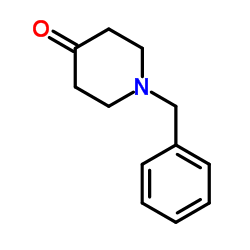
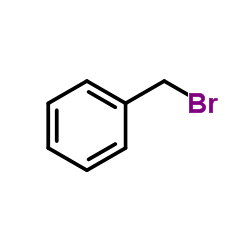
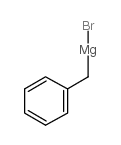
| HS Code | 2933399090 |
|---|---|
| Summary | 2933399090. other compounds containing an unfused pyridine ring (whether or not hydrogenated) in the structure. VAT:17.0%. Tax rebate rate:13.0%. . MFN tariff:6.5%. General tariff:20.0% |
|
Name: Primary cell-based high-throughput screening assay for identification of compounds th...
Source: Johns Hopkins Ion Channel Center
Target: regulator of G-protein signaling 4 isoform 2 [Homo sapiens]
External Id: JHICC_RGS_Act_HTS
|
|
Name: QFRET-based biochemical primary high throughput screening assay to identify exosite i...
Source: The Scripps Research Institute Molecular Screening Center
Target: disintegrin and metalloproteinase domain-containing protein 17 preproprotein [Homo sapiens]
External Id: ADAM17_INH_QFRET_1536_1X%INH PRUN
|
|
Name: Fluorescence-based cell-based primary high throughput screening assay to identify ago...
Source: The Scripps Research Institute Molecular Screening Center
Target: muscarinic acetylcholine receptor M1 [Homo sapiens]
External Id: CHRM1_AG_FLUO8_1536_1X%ACT PRUN
|
|
Name: uHTS identification of small molecule activators of the adaptive arm of the Unfolded ...
Source: Burnham Center for Chemical Genomics
Target: N/A
External Id: BCCG-A405-UPR-XBP1-PrimaryAgonist-Assay
|
|
Name: Antibacterial activity against Klebsiella pneumoniae MDR ATCC 70063 (CO-ADD:GN_003); ...
Source: ChEMBL
Target: Klebsiella pneumoniae
External Id: CHEMBL4296186
|
|
Name: A screen for compounds that inhibit the activity of LtaS in Staphylococcus aureus
Source: ICCB-Longwood/NSRB Screening Facility, Harvard Medical School
External Id: HMS979
|
|
Name: High throughput fluorescence intensity-based biochemical assay to screen for small mo...
Source: University of Pittsburgh Molecular Library Screening Center
Target: furin (paired basic amino acid cleaving enzyme), isoform CRA_a [Homo sapiens]
External Id: MH080376 Biochemical HTS for Inhibitors of the Proprotein Convertase Furin.
|
|
Name: Fluorescence polarization to screen for inhibitor that competite the binding of FadD2...
Source: Broad Institute
Target: FATTY-ACID-CoA LIGASE FADD28 (FATTY-ACID-CoA SYNTHETASE)
External Id: 2147-01_Inhibitor_SinglePoint_HTS_Activity
|
|
Name: Bursicon-induced LGR2 mediated cAMP production in LGR-2/CRE6x-Luciferase co-transfect...
Source: Broad Institute
Target: N/A
External Id: Bursicon-induced LGR2 mediated cAMP production in LGR-2/CRE6x-Luciferase co-transfected HEK293 cells Inhibition - 7011-01_Antagonist_SinglePoint_HTS_Activity
|
|
Name: Identifying Sarm1 TIR NADase inhibitors through high throughput HPLC assay
Source: 24386
Target: N/A
External Id: Sarm1 TIR NADase inhibitors
|
Total 125, Current Page 1 of 13
1
2
3
4
5
| 4-Benzylpiperidin-4-ol |
| 4-BENZYL-4-HYDROXYPIPERIDINE |
| EINECS 257-003-7 |
| MFCD00023147 |
The content on this webpage is sourced from various professional data sources. If you have any questions or concerns regarding the content, please feel free to contact service1@chemsrc.com.
- Shanghai Nianxing Industrial Co., Ltd
- China
- Product Name: 4-Benzyl-4-hydroxypiperidine
- Price: Check
- Purity: 97.0%
- Delivery: 10 Day
- Contact: Yang
- Email: sales@echemcloud.com
- Shanghai Amole Biotechnology Co., Ltd.
- China
- Product Name: 4-Benzyl-4-hydroxypiperidine
- Price: ¥Inquiry/100mg ¥Inquiry/10g ¥Inquiry/1g ¥Inquiry/250mg
- Purity: 97.0%
- Delivery: Inquiry
- Contact: Xiyao Wang
- Email: 3623107365@qq.com
- Shanghai Jizhi Biochemical Technology Co., Ltd
- China
- Product Name: 4-Benzyl-4-hydroxypiperidine
- Price: ¥328.0/1g ¥5118.0/25g ¥1278.0/5g
- Purity: 97.0%
- Delivery: Inquiry
- Contact: Liu jia


- Email: 2130147988@qq.com
Get all suppliers and price by the below link: