Bioresource Technology 2015-10-01

Characterization of a novel cometabolic degradation carbazole pathway by a phenol-cultivated Arthrobacter sp. W1.

Shengnan Shi, Yuanyuan Qu, Hao Zhou, Qiao Ma, Fang Ma

Index: Bioresour. Technol. 193 , 281-7, (2015)

Full Text: HTML

Abstract

Arthrobacter sp. W1 was used to characterize the pathways involved in cometabolic degradation of carbazole (CA) with phenol as the primary substrate. To clarify the upper pathway of cometabolic degradation CA, Escherichia coli strain BL21 expressing phenol hydroxylase from strain W1 (PHIND) was investigated to degrade CA. Firstly, CA was initially monohydroxylated at C-2 and C-4 positions to produce 2- and 4-hydroxycarbazole, followed by successively hydroxylated to the corresponding 1,2- and 3,4-dihydroxycarbazole, of which 3,4-dihydroxycarbazole was unequivocally identified for the first time. To characterize the downstream cometabolic degradation CA pathway, purified 3,4-dihydroxycarbazole was used as the substrate for phenol-grown W1, and a series of novel indole derivatives were identified. These results suggested that a novel pathway of CA catabolism was employed by strain W1 via a successive hydroxylation and meta-cleavage pathway. These findings provide new insights into the cometabolic degradation CA process and have potential applications in biotechnology and bioremediation. Copyright © 2015 Elsevier Ltd. All rights reserved.

Related Compounds

Structure Name/CAS No. Articles
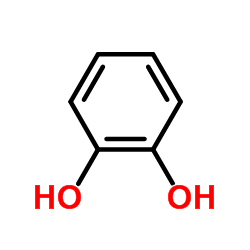
1,2-Benzenediol Structure 1,2-Benzenediol
CAS:120-80-9
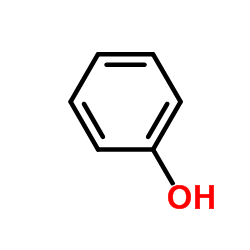
Phenol Structure Phenol
CAS:108-95-2
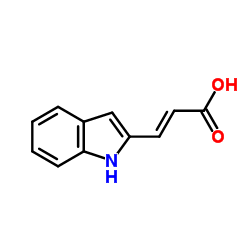
3-Indoleacrylic acid Structure 3-Indoleacrylic acid
CAS:1204-06-4
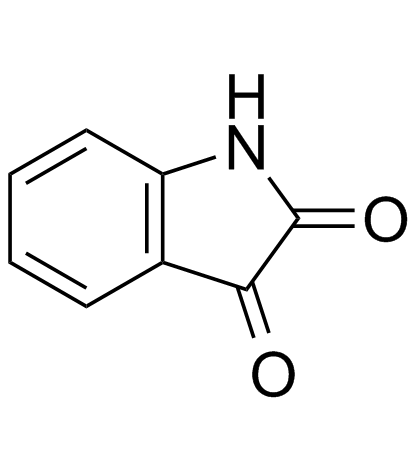
isatin Structure isatin
CAS:91-56-5