Nature Biotechnology 2008-07-01

An orally delivered small-molecule formulation with antiangiogenic and anticancer activity.

Ofra Benny, Ofer Fainaru, Avner Adini, Flavia Cassiola, Lauren Bazinet, Irit Adini, Elke Pravda, Yaakov Nahmias, Samir Koirala, Gabriel Corfas, Robert J D'Amato, Judah Folkman

Index: Nat. Biotechnol. 26(7) , 799-807, (2008)

Full Text: HTML

Abstract

Targeting angiogenesis, the formation of blood vessels, is an important modality for cancer therapy. TNP-470, a fumagillin analog, is among the most potent and broad-spectrum angiogenesis inhibitors. However, a major clinical limitation is its poor oral availability and short half-life, necessitating frequent, continuous parenteral administration. We have addressed these issues and report an oral formulation of TNP-470, named Lodamin. TNP-470 was conjugated to monomethoxy-polyethylene glycol-polylactic acid to form nanopolymeric micelles. This conjugate can be absorbed by the intestine and selectively accumulates in tumors. Lodamin significantly inhibits tumor growth, without causing neurological impairment in tumor-bearing mice. Using the oral route of administration, it first reaches the liver, making it especially efficient in preventing the development of liver metastasis in mice. We show that Lodamin is an oral nontoxic antiangiogenic drug that can be chronically administered for cancer therapy or metastasis prevention.

Related Compounds

Structure Name/CAS No. Articles
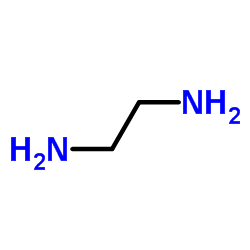
1,2-Ethanediamine Structure 1,2-Ethanediamine
CAS:107-15-3
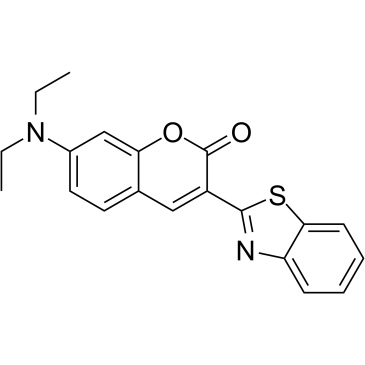
Coumarin VI Structure Coumarin VI
CAS:38215-36-0