Journal of Industrial Microbiology & Biotechnology 2012-06-01

Production of chiral alcohols from prochiral ketones by microalgal photo-biocatalytic asymmetric reduction reaction.

Zhong-Hua Yang, Li Luo, Xu Chang, Wei Zhou, Geng-Hua Chen, Yan Zhao, Ya-Jun Wang

Index: J. Ind. Microbiol. Biotechnol. 39(6) , 835-41, (2012)

Full Text: HTML

Abstract

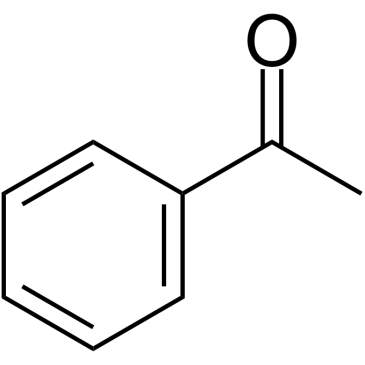
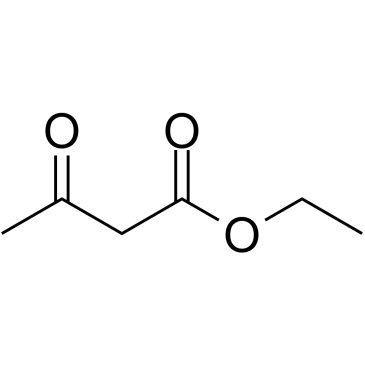
Microalgal photo-biocatalysis is a green technique for asymmetric synthesis. Asymmetric reduction of nonnatural prochiral ketones to produce chiral alcohols by microalgal photo-biocatalysis was studied in this work. Acetophenone (ACP) and ethyl acetoacetate (EAA) were chosen as model substrates for aromatic ketones and β-ketoesters, respectively. Two prokaryotic cyanophyta and two eukaryotic chlorophyta were selected as photo-biocatalysts. The results proved that nonnatural prochiral ketones can be reduced by microalgal photo-biocatalysis with high enantioselectivity. Illumination is indispensable to the photo-biocatalysis. For aromatic ketone, cyanophyta are eligible biocatalysts. For ACP asymmetric reduction reaction, about 45% yield and 97% e.e. can be achieved by the photo-biocatalysis reaction with Spirulina platensis as biocatalyst. On the contrary, chlorophyta are efficient biocatalysts for β-ketoester asymmetric reduction reaction among the four tested algae. For EAA asymmetric reduction reaction, about 70% yield and 90% e.e. can be achieved with Scenedesmus obliquus as biocatalyst. The microalgae used in this study outperformed other characterized biocatalysts such as microbial and plant cells.

Related Compounds

Structure Name/CAS No. Articles
Acetophenone Structure Acetophenone
CAS:98-86-2
Ethyl acetoacetate Structure Ethyl acetoacetate
CAS:141-97-9