Journal of cosmetic science 2013-01-01

Use of statistical modeling to predict the effect of formulation composition on conditioning shampoo performance.

Carole Lepilleur, Ann Giovannitti-Jensen, Carol Kyer

Index: J. Cosmet. Sci. 64(6) , 411-27, (2013)

Full Text: HTML

Abstract

Formulation composition has a dramatic influence on the performance of conditioning shampoos. The purpose of this study is to determine the factors affecting the performance of various cationic polymers in those systems. An experiment was conducted by varying the levels of three surfactants (sodium lauryl ether sulfate, sodium lauryl sulfate, and cocamidopropyl betaine) in formulations containing various cationic polymers such as cationic cassia derivatives of different cationic charge densities (1.9, 2.3, and 3.0 mEq/g), cationic guar (0.98 mEq/g), and cationic hydroxyethyl cellulose (1.03 mEq/g). The results show the formulation composition dramatically affects silicone and cationic polymer deposition. In particular, three parameters are of importance in determining deposition efficiency: ionic strength, surfactant (micelle) charge, and total amount of surfactant. The cationic polymer composition, molecular weight, and charge density are also important in determining which of the previous three parameters influence the performance most.

Related Compounds

Structure Name/CAS No. Articles
sodium dodecyl sulfate Structure sodium dodecyl sulfate
CAS:151-21-3
Cellulose microcrystalline Structure Cellulose microcrystalline
CAS:9004-34-6
Hydroxyethyl cellulose Structure Hydroxyethyl cellulose
CAS:9004-62-0
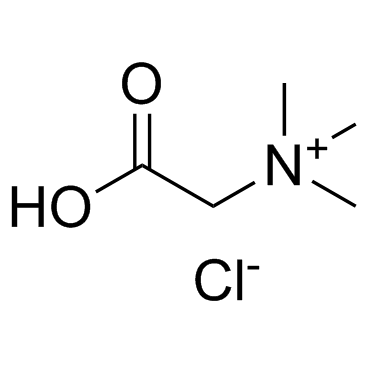
Betaine Hydrochloride Structure Betaine Hydrochloride
CAS:590-46-5
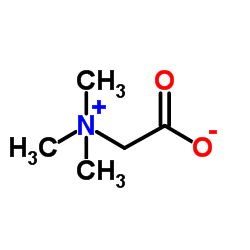
Betaine Structure Betaine
CAS:107-43-7