Natural product communications 2013-10-01

HPLC-PDA analysis and anti-inflammatory effects of Mori Cortex Radicis.

Chang-Seob Seo, Hye-Sun Lim, Soo-Jin Jeong, Hyekyung Ha, Hyeun-Kyoo Shin

Index: Nat. Prod. Commun. 8(10) , 1443-6, (2013)

Full Text: HTML

Abstract

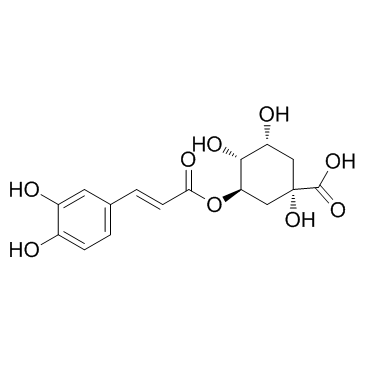
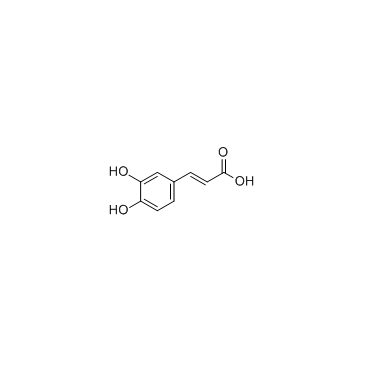
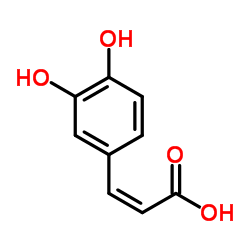
Mori Cortex Radicis (MCR, Moraceae) is used traditionally in the treatment ofjaundice, hematemesis, edema, and pollakisuria in Korea. In this study, the antiinflammatory effects of MCR extract were investigated using RAW 264.7 cells. The simultaneous analysis of five components present (neochlorogenic acid, chlorogenic acid, cryptochlorogenic acid, caffeic acid, and p-coumaric acid) in the MCR extract was performed using high-performance liquid chromatography (HPLC) coupled with photodiode array (PDA) detection. We determined the effects of MCR extract and its components on the production of nitric oxide (NO), prostaglandin E2 (PGE2), and mRNA expression of cyclooxygenase-2 (COX-2) in RAW 264.7 cells. MCR extract suppressed the production of NO and PGE2 in RAW 264.7 cells in a dose-dependent manner. None of the five components of the MCR extract had any influence on the production of NO. However, caffeic acid and p-coumaric acid inhibited the production of PGE2 and mRNA expression of COX-2 in RAW 264.7 cells. Our results suggest that MCR extract may offer potential as a therapeutic agent for the treatment of inflammation. The method we have established will help to improve the quality control of MCR extracts.

Related Compounds

Structure Name/CAS No. Articles
Chlorogenic acid Structure Chlorogenic acid
CAS:327-97-9
Caffeic acid Structure Caffeic acid
CAS:331-39-5
trans-4-Hydroxycinnamic acid Structure trans-4-Hydroxycinnamic acid
CAS:501-98-4
caffeic acid Structure caffeic acid
CAS:501-16-6