Journal of Medicinal Food 2015-05-01

Protective Effects of Quercetin Against HgCl₂-Induced Nephrotoxicity in Sprague-Dawley Rats.

Yu Jin Shin, Jeong Jun Kim, Ye Ji Kim, Won Hee Kim, Eun Young Park, In Young Kim, Han-Seung Shin, Kyeong Seok Kim, Eui-Kyung Lee, Kyu Hyuck Chung, Byung Mu Lee, Hyung Sik Kim

Index: J. Med. Food 18 , 524-34, (2015)

Full Text: HTML

Abstract

Mercury is a well-known environmental pollutant that can cause nephropathic diseases, including acute kidney injury (AKI). Although quercetin (QC), a natural flavonoid, has been reported to have medicinal properties, its potential protective effects against mercury-induced AKI have not been evaluated. In this study, the protective effect of QC against mercury-induced AKI was investigated using biochemical parameters, new protein-based urinary biomarkers, and a histopathological approach. A 250 mg/kg dose of QC was administered orally to Sprague-Dawley male rats for 3 days before administration of mercury chloride (HgCl2). All animals were sacrificed at 24 h after HgCl2 treatment, and biomarkers associated with nephrotoxicity were measured. Our data showed that QC absolutely prevented HgCl2-induced AKI, as indicated by biochemical parameters such as blood urea nitrogen (BUN) and serum creatinine (sCr). In particular, QC markedly decreased the accumulation of Hg in the kidney. Urinary excretion of protein-based biomarkers, including clusterin, kidney injury molecule-1 (KIM-1), neutrophil gelatinase-associated lipocalin (NGAL), monocyte chemoattractant protein-1 (MCP-1), tissue inhibitor of metalloproteinases 1 (TIMP-1), and vascular endothelial growth factor (VEGF) in response to HgCl2 administration were significantly decreased by QC pretreatment relative to that in the HgCl2-treated group. Furthermore, urinary excretion of metallothionein and Hg were significantly elevated by QC pretreatment. Histopathological examination indicated that QC protected against HgCl2-induced proximal tubular damage in the kidney. A TUNEL assay indicated that QC pretreatment significantly reduced apoptotic cell death in the kidney. The administration of QC provided significant protective effects against mercury-induced AKI.

Related Compounds

Structure Name/CAS No. Articles
Hydrochloric acid Structure Hydrochloric acid
CAS:7647-01-0
Methanol Structure Methanol
CAS:67-56-1
Mercury chloride Structure Mercury chloride
CAS:7487-94-7
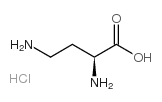
H-Dab.HCl Structure H-Dab.HCl
CAS:1482-98-0
mercury(II) cation Structure mercury(II) cation
CAS:7439-97-6
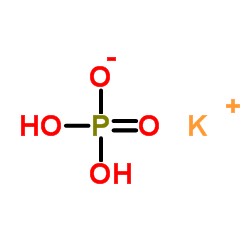
Monopotassium phosphate Structure Monopotassium phosphate
CAS:7778-77-0
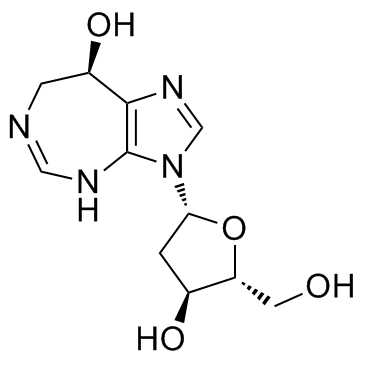
PENTOSTATIN Structure PENTOSTATIN
CAS:53910-25-1
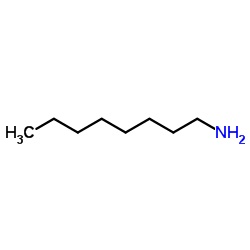
Octylamine Structure Octylamine
CAS:111-86-4
Ammonium Chloride Structure Ammonium Chloride
CAS:12125-02-9
Uric Acid Structure Uric Acid
CAS:69-93-2