Nature Communications 2015-01-01

Proteins that bind regulatory regions identified by histone modification chromatin immunoprecipitations and mass spectrometry.

Erik Engelen, Johannes H Brandsma, Maaike J Moen, Luca Signorile, Dick H W Dekkers, Jeroen Demmers, Christel E M Kockx, Zehila Ozgür, Wilfred F J van IJcken, Debbie L C van den Berg, Raymond A Poot

Index: Nat. Commun. 6 , 7155, (2015)

Full Text: HTML

Abstract

The locations of transcriptional enhancers and promoters were recently mapped in many mammalian cell types. Proteins that bind those regulatory regions can determine cell identity but have not been systematically identified. Here we purify native enhancers, promoters or heterochromatin from embryonic stem cells by chromatin immunoprecipitations (ChIP) for characteristic histone modifications and identify associated proteins using mass spectrometry (MS). 239 factors are identified and predicted to bind enhancers or promoters with different levels of activity, or heterochromatin. Published genome-wide data indicate a high accuracy of location prediction by ChIP-MS. A quarter of the identified factors are important for pluripotency and includes Oct4, Esrrb, Klf5, Mycn and Dppa2, factors that drive reprogramming to pluripotent stem cells. We determined the genome-wide binding sites of Dppa2 and find that Dppa2 operates outside the classical pluripotency network. Our ChIP-MS method provides a detailed read-out of the transcriptional landscape representative of the investigated cell type.

Related Compounds

Structure Name/CAS No. Articles
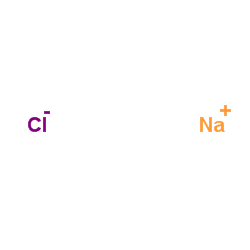
sodium chloride Structure sodium chloride
CAS:7647-14-5
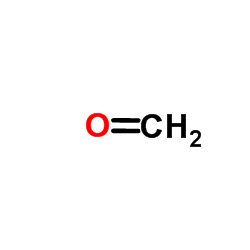
Formaldehyde Structure Formaldehyde
CAS:50-00-0
SODIUM CHLORIDE-35 CL Structure SODIUM CHLORIDE-35 CL
CAS:20510-55-8
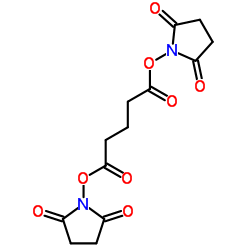
DSG Crosslinker Structure DSG Crosslinker
CAS:79642-50-5
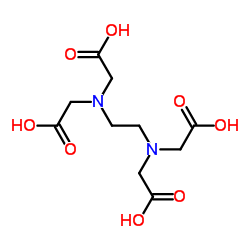
Ethylenediaminetetraacetic acid Structure Ethylenediaminetetraacetic acid
CAS:60-00-4