Cystatin C influences the autoimmune but not inflammatory response to cartilage type II collagen leading to chronic arthritis development.
Alexandra Bäcklund, Meirav Holmdahl, Ragnar Mattsson, Katarina Håkansson, Veronica Lindström, Kutty Selva Nandakumar, Anders Grubb, Rikard Holmdahl
Index: Arthritis. Res. Ther. 13(2) , R54, (2011)
Full Text: HTML
Abstract
Collagen-induced arthritis (CIA) is a mouse model for rheumatoid arthritis (RA) and is induced after immunization with type II collagen (CII). CIA, like RA, is an autoimmune disease leading to destruction of cartilage and joints, and both the priming and inflammatory phases have been suggested to be dependent on proteases. In particular, the cysteine proteases have been proposed to be detrimental to the arthritic process and even immunomodulatory. A natural inhibitor of cysteine proteases is cystatin C.Cystatin C-deficient, sufficient and heterozygous mice were tested for onset, incidence and severity of CIA. The effect of cystatin C-deficiency was further dissected by testing the inflammatory effector phase of CIA; that is, collagen antibody-induced arthritis model and priming phase, that is, T cell response both in vivo and in vitro. In addition, in order to determine the importance of T cells and antigen-presenting cells (APCs), these cell populations were separated and in vitro T cell responses determined in a mixed co-culture system. Finally, flow cytometry was used in order to further characterize cell populations in cystatin C-deficient mice.Here, we show that mice lacking cystatin C, develop arthritis at a higher incidence and an earlier onset than wild-type controls. Interestingly, when the inflammatory phase of CIA was examined independently from immune priming then cystatin C-deficiency did not enhance the arthritis profile. However, in line with the enhanced CIA, there was an increased T cell and B cell response as delayed-type hypersensitivity reaction and anti-CII antibody titers were elevated in the cystatin C-deficient mice after immunization. In addition, the ex vivo naïve APCs from cystatin C-deficient mice had a greater capacity to stimulate T cells. Interestingly, dendritic cells had a more activated phenotype in naïve cystatin C-deficient mice.The lack of cystatin C enhances CIA and primarily affects in vivo priming of the immune system. Although the mechanism of this is still unknown, we show evidence for a more activated APC compartment, which would elevate the autoimmune response towards CII, thus resulting in an enhanced development of chronic arthritis.
Related Compounds
| Structure | Name/CAS No. | Molecular Formula | Articles |
|---|---|---|---|
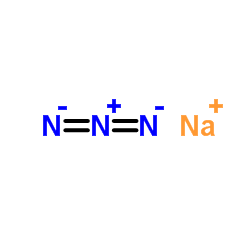 |
Sodium azide
CAS:26628-22-8 |
N3Na | |
 |
Deoxyribonuclease
CAS:9003-98-9 |
|
Crystal structure of the R-protein of the multisubunit ATP-d...
2014-12-16 [Nucleic Acids Res. 42(22) , 14022-30, (2014)] |
|
The dynamics of giant unilamellar vesicle oxidation probed b...
2014-10-01 [Biochim. Biophys. Acta 1838(10) , 2615-24, (2014)] |
|
Investigations on the transfer of porphyrin from o/w emulsio...
2015-01-01 [Drug Dev. Ind. Pharm. 41(1) , 156-62, (2014)] |
|
β-Amyloid1-42, HIV-1Ba-L (clade B) infection and drugs of ab...
2014-01-01 [PLoS ONE 9(11) , e112818, (2014)] |
|
Coculture of peripheral blood-derived mesenchymal stem cells...
2015-03-01 [Tissue Eng. Part A 21(5-6) , 948-59, (2015)] |