Exenatide Acetate
更新时间:2026-05-29 01:37:59
| 常用名 | 醋酸艾塞那肽 | CAS号 | 141732-76-5 |
|---|---|---|---|
| 价格 | $198.3/10mg $4809.32/1g | 纯度 | 99.21% |
| 备货期 | 3天 | 库存 | 现货 |
| 产品网页 | http://www.zhaokebio.com | ||
| 产品详情(用途,包装等)
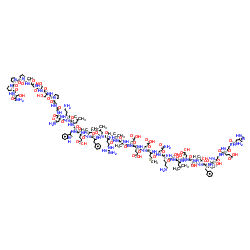
Exenatide is a 39-amino acid synthetic peptide and the first-in-class incretin mimetic approved for the treatment of type 2 diabetes mellitus. It is a synthetic version of exendin-4, a naturally occurring peptide originally isolated from the salivary secretions of the Gila monster lizard (Heloderma suspectum) by Dr. John Eng in 1992. Unlike GLP-1 analogs such as liraglutide and semaglutide that are modified derivatives of the human GLP-1 sequence, exenatide is a naturally occurring xenopeptide with approximately 53% amino acid sequence homology to human GLP-1(7-36) amide, yet it binds and activates the human GLP-1 receptor with comparable potency. A critical structural feature is the presence of glycine at position 2 (Gly2), replacing the alanine found in native GLP-1. This single substitution confers resistance to cleavage by dipeptidyl peptidase-4 (DPP-4), the enzyme that rapidly inactivates native GLP-1 within 1.5-2 minutes. Following subcutaneous injection, exenatide has a terminal half-life of approximately 2.4 hours, with measurable plasma concentrations persisting for roughly 10 hours. Exenatide is a full agonist of the GLP-1 receptor (GLP-1R), a class B G protein-coupled receptor (GPCR) widely expressed on pancreatic beta cells, alpha cells, the gastrointestinal tract, central nervous system, heart, kidney, and vasculature. Binding of exenatide to GLP-1R on pancreatic beta cells activates the Gs-alpha/adenylyl cyclase/cAMP/PKA signaling cascade, potentiating glucose-stimulated insulin secretion (GSIS). This insulin secretagogue effect is glucose-dependent: exenatide amplifies insulin release only when blood glucose exceeds fasting levels, conferring a substantially lower risk of hypoglycemia compared to sulfonylureas. Exenatide also suppresses inappropriate glucagon secretion from pancreatic alpha cells, reducing hepatic glucose output. This effect is preserved during hypoglycemia, meaning the counterregulatory glucagon response remains intact. Additionally, exenatide substantially delays gastric emptying, attenuating postprandial glucose excursions. It crosses the blood-brain barrier and activates GLP-1 receptors in the hypothalamic arcuate nucleus and brainstem, promoting satiety and reducing food intake, which contributes to the weight loss observed in clinical trials (typically 2-4 kg). Notably, exenatide restores the first-phase insulin response that is characteristically absent in patients with type 2 diabetes. |
- 武汉敬康恩生物医药科技有限公司
- 湖北省 武汉市 东西湖区
- 产品名:醋酸艾塞那肽
- 价格: ¥需询单/100g ¥需询单/500g
- 纯度:98.0%
- 备货期:需询单
- 联系人:周经理

 1092734927
复制
1092734927
复制

 15871494362
复制
15871494362
复制

- 武汉壹加壹生物科技有限公司
- 湖北省 武汉市 江夏区
- 产品名:醋酸艾塞那肽
- 价格: ¥需询单/1g ¥需询单/5g
- 纯度:98.0%
- 备货期:需询单
- 联系人:刘经理
673003916
复制
16602739303
复制

- 上海化源世纪贸易有限公司
- 上海市 上海市 普陀区
- 产品名:醋酸艾塞那肽
- 价格:
- 纯度:99.42%
- 备货期:10天
- 联系人:徐经理
351666998
复制
 133 1186 9306
复制
133 1186 9306
复制

查看所有供应商和价格请点击: