前往化源商城

Biosensors and Bioelectronics 2013-11-15

"Chemical-pain sensor" based on nanovesicle-carbon nanotube hybrid structures.

Hye Jun Jin, Jeong Mi An, Juhun Park, Seok Jun Moon, Seunghun Hong

文献索引:Biosens. Bioelectron. 49 , 86-91, (2013)

全文:HTML全文

摘要

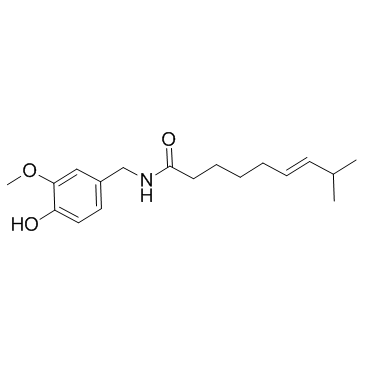
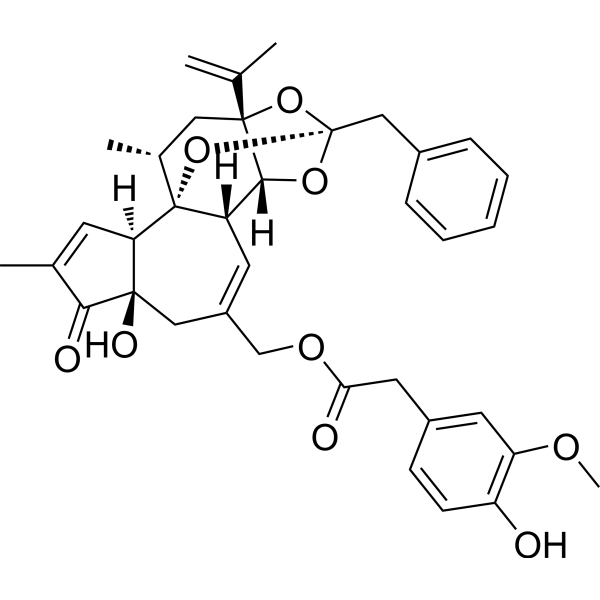
We developed a "chemical-pain sensor" that could recognize chemical pain stimuli such as capsaicin and resiniferatoxin just like mammalian chemical pain sensory systems. Here, we first prepared nanovesicles containing rat pain sensory receptor, rat transient receptor potential vanilloid 1 (rTRPV1), which is activated by noxious heat and capsaicin. And the nanovesicles were immobilized on a single-walled carbon nanotube-based field effect transistor. The chemical-pain sensor could selectively detect chemical pain stimuli with a high sensitivity of a 1 pM detection limit. It also responded to different chemical pain stimuli in a manner similar as to that of mammalian chemical pain sensory systems. This sensor platform can be utilized for various practical applications such as food screening tools and artificial somesthetic sensors. Moreover, TRP families have been suggested as potential drug targets related to nerve and circulation disorders. Thus, the capability of monitoring TRP responses using our sensor platforms should provide a powerful means for the development of new drugs as well as the basic research about nerve and circulation systems.Copyright © 2013 Elsevier B.V. All rights reserved.

相关化合物

结构式 名称/CAS号 全部文献
辣椒碱 结构式 辣椒碱
CAS:404-86-4
树脂毒素 结构式 树脂毒素
CAS:57444-62-9