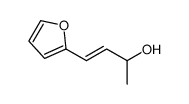
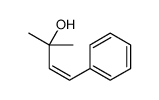
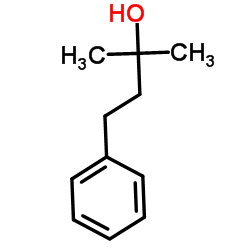
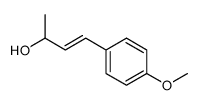
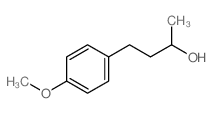
The catalytic reduction of nonactivated olefins is an important synthetic process.[1] However, the principal methods reported so far involve late transition metals as the active species. Organocatalytic reductions have been reported,[2] but generally involve electron-poor olefins and are best described as the Michael addition of hydride. As a result, new organocatalyzed reduction reactions would be very helpful. We considered N-heterocyclic ...

![1-[(E)-hex-1-enyl]cyclohexan-1-ol结构式](https://image.chemsrc.com/caspic/159/34678-40-5.png)