前往化源商城

Addiction Biology 2015-03-01

Chronic CRF1 receptor blockade reduces heroin intake escalation and dependence-induced hyperalgesia.

Paula E Park, Joel E Schlosburg, Leandro F Vendruscolo, Gery Schulteis, Scott Edwards, George F Koob

文献索引:Addict. Biol. 20(2) , 275-84, (2015)

全文:HTML全文

摘要

Opioids represent effective drugs for the relief of pain, yet chronic opioid use often leads to a state of increased sensitivity to pain that is exacerbated during withdrawal. A sensitization of pain-related negative affect has been hypothesized to closely interact with addiction mechanisms. Neuro-adaptive changes occur as a consequence of excessive opioid exposure, including a recruitment of corticotropin-releasing factor (CRF) and norepinephrine (NE) brain stress systems. To better understand the mechanisms underlying the transition to dependence, we determined the effects of functional antagonism within these two systems on hyperalgesia-like behavior during heroin withdrawal utilizing models of both acute and chronic dependence. We found that passive or self-administered heroin produced a significant mechanical hypersensitivity. During acute opioid dependence, systemic administration of the CRF1 receptor antagonist MPZP (20 mg/kg) alleviated withdrawal-induced mechanical hypersensitivity. In contrast, several functional adrenergic system antagonists (clonidine, prazosin, propranolol) failed to alter mechanical hypersensitivity in this state. We then determined the effects of chronic MPZP or clonidine treatment on extended access heroin self-administration and found that MPZP, but not clonidine, attenuated escalation of heroin intake, whereas both drugs alleviated chronic dependence-associated hyperalgesia. These findings suggest that an early potentiation of CRF signaling occurs following opioid exposure that begins to drive both opioid-induced hyperalgesia and eventually intake escalation. © 2013 Society for the Study of Addiction.

相关化合物

结构式 名称/CAS号 全部文献
diacetylmorphine 结构式 diacetylmorphine
CAS:561-27-3
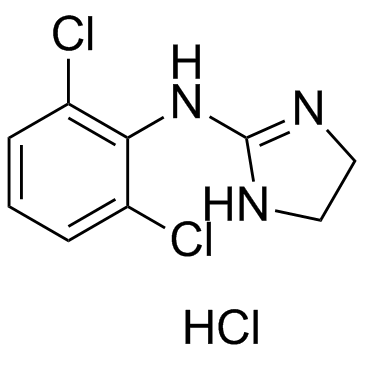
盐酸可乐定 结构式 盐酸可乐定
CAS:4205-91-8
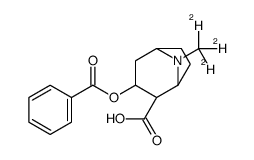
苯甲酰芽子碱-d3 结构式 苯甲酰芽子碱-d3
CAS:115732-68-8