Food Additives & Contaminants: Part A - Chemistry, Analysis, Control, Exposure & Risk Assessment 2015-01-01
Determination of the persistence of dimetridazole, metronidazole and ronidazole residues in black tiger shrimp (Penaeus monodon) tissue and their stability during cooking.
Anna Gadaj, Kevin M Cooper, Nitsara Karoonuthaisiri, Ambrose Furey, Martin Danaher
文献索引:Food Addit. Contam. Part A. Chem. Anal. Control. Expo. Risk Assess. 32(2) , 180-93, (2015)
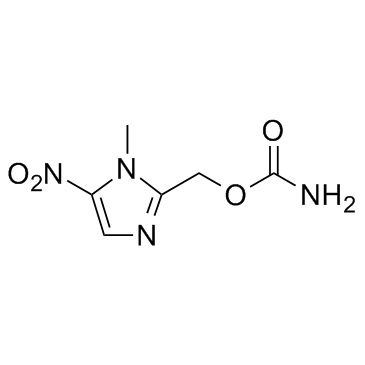
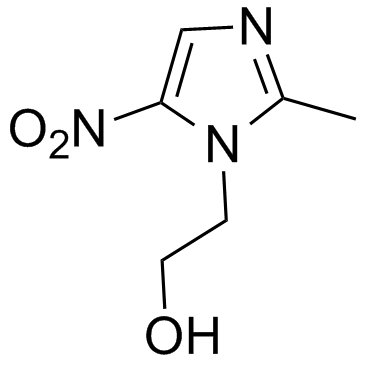
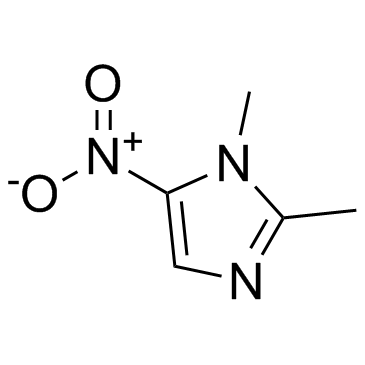
The depletion of three banned nitroimidazole drugs - dimetridazole (DMZ), metronidazole (MNZ) and ronidazole (RNZ) - was investigated in black tiger shrimp (Penaeus monodon) following in-water medication. The highest concentrations of residues were measured immediately after the 24-h immersion (d0). At this time, MNZ and MNZ-OH residues were measured in shrimp tissue samples at concentrations ranging from 361 to 4189 and from 0.28 to 6.6 μg kg(-1), respectively. DMZ and its metabolites HMMNI ranged in concentration between 31,509 and 37,780 and between 15.0 and 31.9 μg kg(-1), respectively. RNZ and HMMNI concentrations ranged from 14,530 to 24,206 and from 25.0 to 55 μg kg(-1), respectively. MNZ, DMZ and RNZ were the more persistent marker residues and can be detected for at least 8 days post-treatment. MNZ-OH was only detectable on d0 following treatment with MNZ. HMMNI residues were only detectable up to d1 (0.97-3.2 μg kg(-1)) or d2 (1.2-4.5 μg kg(-1)) following DMZ and RNZ treatment, respectively. The parent drugs MNZ, DMZ and RNZ were still measureable on d8 at 0.12-1.0, 40.5-55 and 8.8-18.7 μg kg(-1), respectively. The study also investigated the stability of nitroimidazole residues under various cooking procedures (frying, grilling, boiling, and boiling followed by microwaving). The experiments were carried out in shrimp muscle tissue containing both high and low concentrations of these residues. Different cooking procedures showed the impact on nitroimidazole residue concentration in shrimp tissue. Residue concentration depleted significantly, but partially, by boiling and/or microwaving, but the compounds were largely resistant to conventional grilling or frying. Cooking cannot therefore be considered as a safeguard against harmful nitroimidazole residues in shrimp.