前往化源商城

The American Journal of Pathology 2015-06-01

Substance P promotes wound healing in diabetes by modulating inflammation and macrophage phenotype.

Ermelindo C Leal, Eugénia Carvalho, Ana Tellechea, Antonios Kafanas, Francesco Tecilazich, Cathal Kearney, Sarada Kuchibhotla, Michael E Auster, Efi Kokkotou, David J Mooney, Frank W LoGerfo, Leena Pradhan-Nabzdyk, Aristidis Veves

文献索引:Am. J. Pathol. 185 , 1638-48, (2015)

全文:HTML全文

摘要

Diabetic foot ulceration is a major complication of diabetes. Substance P (SP) is involved in wound healing, but its effect in diabetic skin wounds is unclear. We examined the effect of exogenous SP delivery on diabetic mouse and rabbit wounds. We also studied the impact of deficiency in SP or its receptor, neurokinin-1 receptor, on wound healing in mouse models. SP treatment improved wound healing in mice and rabbits, whereas the absence of SP or its receptor impaired wound progression in mice. Moreover, SP bioavailability in diabetic skin was reduced as SP gene expression was decreased, whereas the gene expression and protein levels of the enzyme that degrades SP, neutral endopeptidase, were increased. Diabetes and SP deficiency were associated with absence of an acute inflammatory response important for wound healing progression and instead revealed a persistent inflammation throughout the healing process. SP treatment induced an acute inflammatory response, which enabled the progression to the proliferative phase and modulated macrophage activation toward the M2 phenotype that promotes wound healing. In conclusion, SP treatment reverses the chronic proinflammatory state in diabetic skin and promotes healing of diabetic wounds.Copyright © 2015 American Society for Investigative Pathology. Published by Elsevier Inc. All rights reserved.

相关化合物

结构式 名称/CAS号 全部文献
十二烷基硫酸钠 结构式 十二烷基硫酸钠
CAS:151-21-3
L-1,4-二硫代苏糖醇 结构式 L-1,4-二硫代苏糖醇
CAS:16096-97-2
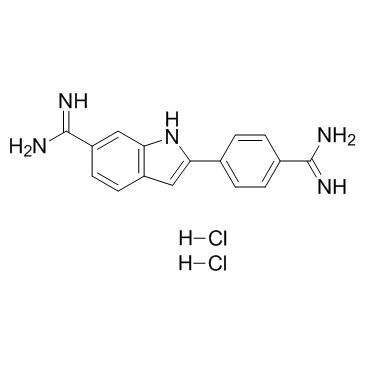
4',6-二脒基-2-苯基吲哚二盐酸盐 结构式 4',6-二脒基-2-苯基吲哚二盐酸盐
CAS:28718-90-3
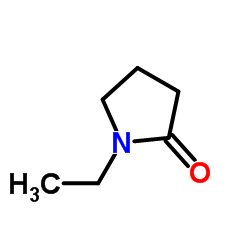
N-乙基吡咯烷酮 结构式 N-乙基吡咯烷酮
CAS:2687-91-4